

It was a typical Saturday afternoon when my dishwasher suddenly started making that unsettling groan. At first, I thought it was just a temporary glitch, but as the noise grew louder and more irregular, I felt that sinking feeling—am I about to face a costly repair with no warning? That moment sparked a realization: I needed a better way to diagnose the real problem before calling in a technician.
Why Relying on Guesswork Can Cost You Handsome
I’ve been there—facing those mysterious appliance noises, wondering if it’s a minor hiccup or a sign of something catastrophic. Live troubleshooting often feels like trying to piece together a puzzle with missing pieces. That’s when I discovered the simple but powerful trick of using my smartphone’s microphone to listen more effectively to the subtle sounds my appliance makes. Believe it or not, this approach can help identify failing components before they turn into full-blown issues.
Applying this hack isn’t just about saving money; it’s about gaining confidence in understanding your appliances. Think of it as giving your phone a new purpose in appliance diagnostics. Plus, with techniques like this, you can spot micro-cracks in your dishwasher tub or identify bearing failures that are just barely audible but critical—saving you from major repairs down the line.
The Promise for Today
In this post, I’ll walk you through how to turn your smartphone into a diagnostic tool, specifically for catching dying bearings and other subtle sounds that often go unnoticed. This is a straightforward, cost-effective method that I’ve put to the test myself. By the end of our journey, you’ll be equipped to monitor your dishwasher, washer, or other appliances with simple audio cues, helping you catch problems early and avoid the dreaded surprise breakdowns.
Will this really work for your specific problem?
Early on, I made the mistake of dismissing faint noises as normal—until I realized those tiny sounds threatened a major repair. It’s easy to overlook the significance of a minor squeal or hum, but these audible clues are often telling the story of impending failure. Using your phone’s microphone to listen closely can reveal issues like micro-cracks, worn bearings, or failing motors that traditional checks might miss. Don’t let my mistake happen again—trust me, a little audio vigilance can save a lot of hassle and money.
Have you ever faced a mysterious noise from your appliance and wondered if it was serious? If so, you’re not alone. Let’s explore how you can leverage technology to own your diagnostics—starting now.
Set Up Your Smartphone for Sound Analysis
Begin by placing your smartphone close to the dishwasher, ideally on a stable surface. Make sure no other appliances are running to avoid background noise interference. Open a voice recording or sound analysis app—many free options are available—and start recording. Think of it as tuning a musical instrument; your goal is to isolate the dishwasher’s sounds without external disturbances.
Identify and Focus on Suspicious Noises
Run the dishwasher through a cycle, especially during the wash or spin phases. Pay close attention to sounds like grinding, squeaking, or humming that seem unusual. Use your app’s waveform visualizer to observe the audio pattern. Noticeable irregularities, especially those that increase in intensity or change pitch, could indicate failing components like bearings or motors. For example, I once used my phone to record a cycle and noticed a faint, high-pitched squeal that I previously dismissed as normal; upon research, I discovered it indicated worn bearings, leading me to address the issue early.
Analyze the Frequency and Loudness Patterns
Advanced apps can perform frequency analysis, allowing you to see the spectral content of the sounds. Compare the readings against known benchmarks: a healthy dishwasher has a consistent hum with minimal high-frequency noise. Elevated high-frequency signals or irregular patterns suggest mechanical wear or impending failure. Think of this process as similar to a doctor listening to your heartbeat—subtle variances can signal problems before symptoms become severe.
Correlate Sounds with Potential Problems
Specific noises often point to specific issues. For instance, a grinding sound during the spin cycle might be a worn bearing. A high-pitched squeal could be a failing motor or pump. Brighten the image by inspecting the spray arms with a flashlight—often, micro-cracks or deposit buildup cause abnormal sounds and performance issues. This detailed approach helps avoid costly repairs by catching problems early. For tips on inspecting spray arms, check out this guide.
Validate Your Findings with Visual Checks
Combine audio diagnostics with visual inspections. Use a flashlight to look for cracks or leaks in the tub, which can cause unusual noises. Consider using a thermal camera if available; hot spots often precede component failure. Pairing these methods provides a comprehensive diagnosis, similar to how a mechanic tests both sound and temperature to troubleshoot engine issues effectively. Remember, early detection can prolong your appliance’s life and protect your warranty coverage. For micro-crack detection techniques, see this article.
Many homeowners fall prey to misconceptions when diagnosing appliance issues, often leading to costly mistakes. One prevalent myth is that all repairs require professional intervention; however, with a keen understanding of nuanced appliance behaviors and proper diagnostics, DIY fixes can be both effective and safe. For example, relying solely on generic troubleshooting steps without considering subtle sounds or behavior patterns can lead to misdiagnosis. A classic trap is assuming that any loud noise indicates a major failure, when in reality, minor irregular sounds—detectable through smartphone audio recordings—can hint at micro-cracks or bearing wear, which are less obvious but critical issues. This is why leveraging advanced sound analysis techniques, like frequency pattern recognition, provides an edge over basic assumptions. According to industry experts, improper diagnostics often result in unnecessary part replacements, further aggravating the problem or voiding warranties. For instance, using poor-quality replacements or installing non-OEM parts not only diminishes appliance longevity but might also breach warranty conditions, as highlighted in typical warranty clauses. Moreover, many believe that if an appliance isn’t showing obvious signs, there’s no need to inspect internal components — a misconception that can delay necessary repairs. Visual inspections combined with audio diagnostics can reveal hidden micro-cracks in dishwasher tubs or failing motor bearings before they escalate. Learning to interpret these nuanced indicators prevents premature replacements and preserves warranty rights. An advanced question I often encounter is: How can I confidently differentiate between minor irregularities and actual impending failure? Research indicates that correlating sound patterns with specific component failures, supported by tools like thermal imaging or smartphone apps, enhances diagnostic accuracy. For example, a rising temperature in a motor can indicate winding issues, which a simple sound may not clearly reveal, but combined diagnostics provide a comprehensive picture. Take care to avoid the ‘cheap part’ trap—installing generic components may seem cost-effective but often voids warranties and leads to inferior repair quality, as detailed in our post on the risks of low-cost parts. Recognizing these nuances empowers you to make informed decisions, avoid unnecessary expenses, and ensure your appliances function optimally within warranty parameters. So, next time you hear an irregular sound or notice subtle performance changes, consider these expert insights before rushing to replace parts. Remember, a nuanced approach to diagnostics is key to sustainable appliance maintenance. Have you ever fallen into this trap? Let me know in the comments. 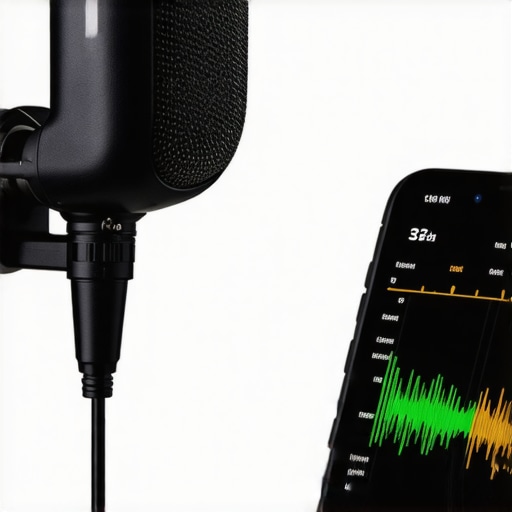
Investing in the Right Equipment for Longevity
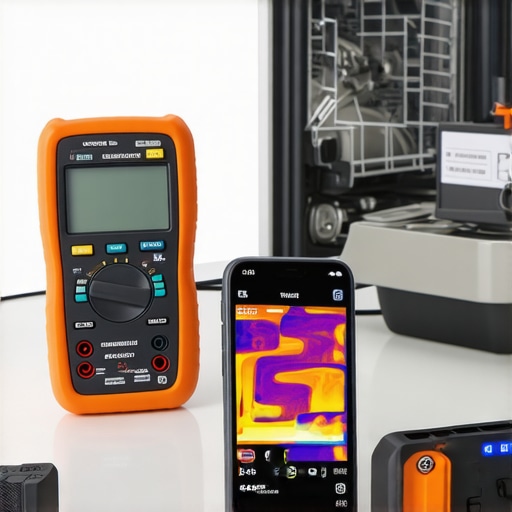
To ensure your appliances keep running smoothly over the years, it’s crucial to select the right diagnostic tools. I personally rely on a high-quality digital multimeter, specifically the Fluke 115, because of its precision and durability—it’s become indispensable for testing electrical components like heating elements and sensors. Additionally, a reliable infrared thermal camera, like the Seek Thermal Compact, helps me identify hotspot issues before they escalate into failures, especially in complex components such as motor windings or control boards. Combining these tools with smartphone-based audio diagnostics allows for comprehensive, early detection of issues, saving both time and money.
Establishing a Routine Maintenance Schedule
Preventive care is pivotal; I recommend setting a monthly schedule that includes cleaning filters, inspecting hoses for signs of wear, and checking for micro-cracks using the flashlight trick mentioned earlier. Regularly cleaning spray arms and seals prevents buildup that can lead to noisy operation or leaks. For items like dishwashers, using vinegar periodically helps prevent mineral deposits without risking seal damage, provided you follow proper procedures—see this guide for best practices. Maintaining a detailed log of inspections and repairs not only prolongs appliance life but also supports warranty claims should issues arise.
Planning for Scaling and Future Upgrades
As technology advances, integrated diagnostics and smart repair tools are becoming more accessible. For example, smart sensors that monitor appliance performance can alert you to potential problems before failure—an investment I see trending upward in the future. Upgrading control boards or sensors becomes easier when equipped with diagnostic tools like the Bluetooth fault detector. This proactive approach minimizes downtime and helps you maintain warranty coverage by documenting pre-failure conditions.
How do I maintain my appliances over time?
Consistent inspection and using precise diagnostic tools are your best strategies. Incorporate routine checks with thermal cameras and multimeters into your maintenance schedule, and carefully track all service activities — this will streamline troubleshooting and warranty processes. Remember, small investments in quality tools and regular upkeep pay off through extended appliance lifespan and fewer costly repairs.
Try integrating the flash-to-micro-crack detection method into your routine. It’s a quick addition that dramatically improves early fault detection, especially for hidden issues like micro-cracks in dishwasher tubs. For detailed instructions, check out this article. Start today, and witness how proactive maintenance preserves your appliances and your peace of mind!
What I Wish I’d Realized About Listening Closely to Appliances
Early in my repair journey, I underestimated the power of subtle sounds—those tiny squeaks or irregular hums—until I experienced a major breakdown that could have been prevented with a bit more ear training. Recognizing the significance of micro-noises taught me an invaluable lesson: Never dismiss faint sounds; they often hold the key to early detection and saving money.
Another insight came when I realized that proper diagnostics are about more than just hearing things—it’s about comparing patterns over time and correlating sounds with what I see during visual inspections. Relying solely on a quick fix or guesswork can trap you into unnecessary expenses or voiding warranties. A patient, observant approach anchored by a smartphone microphone can give you an edge in understanding your appliances deeply.
Finally, I learned that making diagnostics routine—listening during each cycle and keeping a sound diary—transforms guesswork into knowledge. Over time, this habit reveals patterns that point to specific issues, better informs repairs, and ultimately prolongs appliance life beyond what random troubleshooting could achieve.