

It was one of those mornings when I opened my dishwasher, expecting sparkling clean dishes, only to be met with a disappointing spray of water barely reaching the sprayer arms. That slow, weak spray pressure feels like a confession of appliance failure, and honestly, it used to make me panic every time. I’d worry about costly repairs or a full replacement, especially when all I wanted was my kitchen to run smoothly. If you’ve experienced the same frustration, you’re not alone. Weak spray pressure can turn simple dishwashing into a dreaded chore, but thankfully, many of these issues are easier to fix than you might think.
Why Your Dishwasher Sprays Weakly and How to Fix It
Have you lost faith in simple fixes? You’re not alone, and I’ve been there too. Early in my repair days, I tried replacing parts without diagnosing the real problem—learning the hard way that jumping straight to a new spray arm or pump cost me more time and money. A crucial mistake I made was overlooking clogged filters or kinks in the water inlet hose, which are common culprits for weak spray pressure. Remember, understanding the root cause makes all the difference. For a trusted guide on how to troubleshoot further, check out our comprehensive article on [common dishwasher issues](https://applianceoutletpro.com/why-your-dishwasher-wont-drain-the-3-step-check-that-saves-cash). Now, let’s explore the real reasons behind your dishwasher’s poor spray and how to fix them efficiently.Start with a Visual Inspection of the Spray Arms
Remove the dishwasher’s lower rack to access the spray arms easily. Spin them manually; if they don’t rotate freely or stop abruptly, debris or mineral buildup might be blocking their movement. Use a flashlight to look for cracks or fragments—tiny cracks can disrupt water flow, reducing pressure. I once found a small piece of shattered glass lodged in a spray arm, which, upon removal, restored optimal spray. Regularly inspecting and cleaning spray arms prevents clogging and maintains proper water pressure. 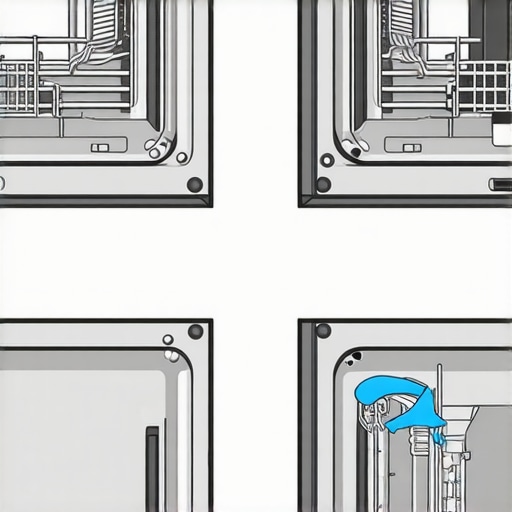
Check and Clear Clogged Filters and Nozzles
Locate the filters at the bottom of your dishwasher; these trap debris before water reaches the spray arms. Unscrew and remove them, then rinse under running water. Stubborn deposits may require a brush or toothpick to dislodge trapped particles. Over time, build-up restricts water flow, weakening spray pressure. Remember, a clogged filter is a common culprit, so cleaning it regularly boosts performance. For a thorough clean, consider examining the small nozzles on the spray arms themselves—use a pin to clear blocked holes. Never underestimate how simple filter maintenance can improve spray strength dramatically.
Assess the Water Inlet Valve and Hoses
The water inlet valve controls water flow into the dishwasher. A partially blocked valve reduces water volume, leading to weak spray. Disconnect the water supply line and check for kinks or twists—these restrict water flow and are easy to overlook. Test the water pressure using a multimeter, as explained in our multimeter troubleshooting guide. If the valve feels obstructed or isn’t opening fully, replacing it can resolve spray issues. Also, inspect the inlet screen for debris—clean it gently with a soft brush. This simple step often restores adequate water volume, ensuring your spray arms get enough pressure.
Examine the Pump and Its Components
The pump propels water through the spray arms. Remove the dishwasher’s lower panel to access it—this is akin to opening the engine cover of a car to check the alternator. Spin the pump impeller manually; if it doesn’t turn or makes grinding noises, it could be seized or blocked. Use a flashlight to look for cracks or leaks around the pump housing, which can cause pressure loss. Testing the motor with a multimeter, following our detailed pump testing tutorial, will confirm if it needs replacement. sometimes, debris or a worn-out impeller causes insufficient water output—treating this ensures consistent spray pressure.
Assess for Water Pressure and Plumbing Issues
External water pressure significantly impacts dishwasher performance. If your home’s water pressure is low, consider testing it with a pressure gauge—higher water pressure directly correlates with stronger spray. Also, check for kinks or blockages in the inlet hoses and avoid extended hoses, which can reduce pressure and void your warranty if improperly installed, as warned in how drain hose extensions affect warranty. If your water pressure is optimal but spray remains weak, consult a plumber, as clogged or corroded plumbing can diminish flow. Fixing or upgrading your water supply ensures your dishwasher receives enough volume for effective cleaning.
Many homeowners operate under the assumption that all appliance repairs and warranty claims are straightforward. They believe that replacing a part or documenting an issue is enough to guarantee coverage. However, this mindset often leads to costly mistakes and missed opportunities for successful repairs. Let’s dig deeper into the nuances that make or break your repair success.
Are all parts equal when it comes to warranties?
Contrary to popular belief, not all replacement parts are created equal, especially when it comes to warranty eligibility. Using generic or aftermarket parts might seem cost-effective initially, but they can void your manufacturer’s warranty if not approved. Manufacturers often specify OEM (Original Equipment Manufacturer) parts, and failure to comply can result in claim denials. For example, saving a few dollars on a cheap part can backfire, leaving you responsible for the entire repair bill. Always verify whether the part you intend to use aligns with warranty stipulations. Making this mistake is a common trap that many overlook.
Beware the myth of DIY diagnostics—are you really saving time?
Many DIY enthusiasts believe that acquiring a multimeter or following online tutorials guarantees accurate diagnosis. While basic troubleshooting has its place, overconfidence can lead to misdiagnosis. For instance, testing a control board without understanding the specific voltage patterns or sensor signals risks misidentifying the fault, potentially causing further damage. According to industry experts, misdiagnosing an issue often results in warranty rejection. It’s crucial to understand the nuances of your appliance’s diagnostic signals rather than relying solely on generic test procedures. This is where professional insight can save you from the ‘oops’ of unnecessary part replacements.
What advanced mistakes trip up even experienced technicians?
Even seasoned repair professionals can fall prey to subtle errors that invalidate warranty claims. For example, improper testing of control boards—like measuring voltages without knowing the correct points—can produce false negatives. Similarly, overlooking simple but critical details, such as ensuring the appliance is properly grounded, can lead to confusing readings. A study by appliance repair specialists emphasizes that advanced diagnostics require a combination of proper tools, knowledge, and experience. Missing these nuances costs time and money, and it often results in warranty rejection or repeat visits.
Lastly, understanding the fine print is vital. Many warranties contain clauses that void coverage if certain conditions aren’t met—like using non-approved detergent or failing to register the product properly. It’s easy to miss these hidden clauses, which is why reviewing your warranty details beforehand can save you from surprises.
Have you ever fallen into this trap? Let me know in the comments and share your experiences. Remember, mastering these nuances can mean the difference between a quick fix and costly repair failures.Maintaining your dishwasher’s performance over time requires more than just occasional cleaning; it involves using the right tools and adopting a systematic approach. One of my preferred pieces of equipment is a high-quality digital multimeter. I rely on a multimeter because it provides precise voltage and resistance readings essential for diagnosing control board issues or faulty sensors—saving time and preventing unnecessary part replacements. I typically use a model with auto-ranging capabilities, such as the Fluke 115, which offers reliable accuracy and ease of use, especially when testing the thermal fuse or the heating element. For example, when troubleshooting heating problems, I use the multimeter alongside a basic kitchen thermometer—like the ones recommended in [this guide](https://applianceoutletpro.com/why-a-cheap-kitchen-thermometer-is-the-best-tool-for-diagnosing-weak-dishwasher-heat)—to verify actual temperature readings against sensor output.
Regular visual inspections are also crucial. A good flashlight, like the LED penlight I carry in my toolkit, helps spot tiny cracks or leaks in the wash arms or gaskets that might be overlooked during routine checks. The flashlight’s focused beam makes it easier to identify micro-cracks or mineral buildup that can cause uneven spray distribution and poor cleaning performance. For thoroughness, I recommend inspecting the filters and nozzles periodically, as they tend to clog with debris, reducing water flow and pressure.
Digital endoscopes or borescopes have become invaluable for internal inspections without dismantling the entire unit. With a compact scope, I can quickly check the pump impeller, control board connections, or the sump area. This approach minimizes guesswork and helps determine whether an issue stems from mineral buildup, loose wiring, or component failure.
Another tool I find essential is an old smartphone with a camera and a macro lens attachment. Used for documenting problem areas, these images support warranty claims and facilitate professional diagnostics if needed. When combined with the right diagnostic tools, these visual records can make the difference between a quick fix and costly repairs.
Looking ahead, I predict that future maintenance will lean even more on digital diagnostics—AI-powered apps and IoT sensors could offer real-time performance monitoring and predictive alerts, reducing downtime and extending appliance life.
If you’re wondering, “How do I maintain my dishwasher over time?” start by integrating these tools into your routine. Regularly check and clean filters, inspect spray arms, and use a multimeter to verify electrical components. Embracing technology like endoscopes or macro cameras can reveal hidden issues early, helping you act before small problems escalate. Remember, proactive maintenance not only prolongs your appliance’s lifespan but also strengthens your ability to handle warranty claims confidently. Try using a multimeter today to test your control board—it’s a simple step that can save you a lot of hassle and money in the long run.
What the Toughest Repairs Taught Me About Dishwasher Maintenance
One of the most valuable lessons I learned was never to assume the root cause before thorough inspection—jumping to part replacements without diagnosing can lead to wasted time and expenses. Additionally, I realized that small, overlooked details—like a partially closed inlet valve or a dirty filter—can drastically affect spray pressure. Embracing a systematic approach, combining visual checks with proper diagnostic tools, is essential for efficient repairs. These experiences taught me patience, precision, and the importance of understanding your appliance at a deeper level.
Tools That Changed How I Diagnose Dishwasher Issues
Over the years, I’ve come to rely on specific tools that make troubleshooting more reliable. A high-quality digital multimeter is invaluable for testing control boards and sensors, as explained in this guide. Using a flashlight like the LED penlight helps detect micro-cracks in spray arms or leaks that may go unnoticed. For internal inspections, a compact endoscope reveals hidden debris or damage without dismantling the entire appliance. These tools, trusted through hands-on experience, help me avoid costly mistakes and deliver accurate diagnoses.
Don’t Let Repair Myths Hold You Back—Take Control
One mistake I often see people make is relying solely on DIY diagnostics without understanding appliance intricacies—this can lead to misdiagnosis and warranty issues, as detailed in this article. It’s tempting to believe that small parts or simple tests reveal everything, but complex components like control boards or sensors require careful analysis. Trusting your instincts is good, but combining them with proper tools and knowledge ensures you’re fixing the right problem and safeguarding your warranty. Remember, the goal is a lasting solution, not just a quick fix.