

One rainy Tuesday morning, I walked into my kitchen to find my floor submerged in water. The dishwasher, which had been working perfectly just the night before, had suddenly turned into a mini lake. My frustration turned to worry as I realized the potential disaster unfolding before my eyes.
That moment was my lightbulb moment. I knew there had to be a way to prevent this kind of flooding — not just fix it after the damage, but stop it from happening in the first place. And I was determined to find it.
Today, I want to share with you the discovery that changed the game—**The Secret Sensor That Stops Floods Before They Start**. This little-known but powerful technology is like having a cautious neighbor watching over your appliances, alerting you before tiny leaks turn into costly disasters.
Why Flood Prevention Matters More Than Ever
Flooded kitchens and malfunctioning appliances aren’t just inconvenient—they’re costly and stressful. Appliance failures, especially those leading to water damage, can cause thousands in repairs and replacements. According to the National Flood Insurance Program, water damage is the most common and expensive peril homeowners face, often with repairs costing over $7,000 on average.
So, why aren’t more people aware of the cutting-edge sensors that can prevent these disasters? Honestly, many of us have been sold on quick fixes or temporary repairs—placing band-aids on a problem we don’t fully understand. I made that mistake early on, replacing boards and checking hoses, thinking I was solving the problem, but the floods kept returning.
What I didn’t know then was that modern sensors can detect tiny overfills or leaks before water escapes, providing a warning or even shutting down the system automatically. Imagine less stress, fewer repairs, and peace of mind—sounds good, right?
If you’ve ever experienced a flood or worry about water damage in your home, you’re not alone. And yes, there’s hope. Keep reading to see how you can leverage this sensor technology to protect your home. Trust me, these insights can save you a lot of heartache.
Is This Sensor Actually Worth the Hype?
I was skeptical at first, too. I thought, “Sure, sensors exist, but will they really make a difference?” Well, my early mistake was assuming a simple float switch was enough. But it turns out, the newer ultrasonic sensors are far more effective at catching tiny overfills before they cause damage. As one study highlights, smart overfill detection can reduce water damage claims significantly. Learn how ultrasonic sensors work here.
By sharing my journey—from doubt to discovery—I hope to help you avoid the costly mistakes I made early on. If you’ve ever faced the chaos of a flooded kitchen, ask yourself: Could a sensor have saved me? What if you could stop floods at the source?
In the next sections, I’ll walk you through the practical steps to install, test, and optimize these sensors—so you can keep your home dry and your peace of mind intact.
Sed risus. Donec egestas, augue eget consectetur sagittis, mauris urna mattis nisi, at efficitur elit justo non urna. This is the beginning of a safer, drier home—and I promise, it’s simpler than you think.
Choose the Right Sensor for Your Needs
Start by selecting ultrasonic overfill sensors, as they detect tiny leaks before water escapes, preventing floods. I personally installed one after experiencing my first minor leak, which saved me from a full kitchen flood. Research models with good reviews and compatibility with your dishwasher model.
Turn Off Power and Water Supply
Before beginning, unplug your dishwasher and shut off the water valve to avoid accidents. Think of it like disabling an alarm before fixing; safety first.
Access the Dishwasher Control Panel
Remove the kick plate or bottom panel by unscrewing the screws. Use a screwdriver and keep screws organized. This is where most sensors connect or interface with the control system.
Locate the Measurement Points
Find the overfill area—usually near the door seal or sump. Use a flashlight or a thermal camera to spot potential leak points. Mark these spots for sensor placement.
Connect the Sensor to the Control System
Wire the ultrasonic sensor following manufacturer instructions, typically attaching its leads to the control board or dedicated accessory port. Think of it like adding a new wire to your home’s security system—precision matters. I once connected a sensor incorrectly, causing it to trigger false alarms, so double-check connections.
Test the Sensor Power
Re-energize the system temporarily to verify power is reaching the sensor. Use a multimeter to ensure proper voltage if needed. Safety tip: always test with power off, then turn on for testing.
Calibrate and Position for Accuracy
Place the sensor at the identified measurement point, ensuring it has a clear line of sight. Calibrate it as described in the manual—this process fine-tunes detection sensitivity. I found that placement slightly too high or low affected performance.
Set Up Alerts or Automated Shutoff
Program your control system to receive alerts or shut down the dishwasher if the sensor detects an overfill. Many newer models support Wi-Fi alerts. I tested this feature by manually triggering the sensor; it successfully shut off the water, preventing a potential flood.
Perform a Dry Run with Water
Reconnect the water supply, turn the power back on, and run a cycle with minimal dishes. Observe the system’s response—ensure the sensor detects overfill accurately. Use a cup to simulate a leak or overfill scenario if needed.
Monitor and Adjust as Needed
After testing, tweak the sensor position or sensitivity to minimize false alarms or missed detections. Keep a log of your tests to reference future performance. I recommend doing this during a period when a false alarm won’t cause stress—like during a scheduled test day.
By following these precise steps, you’ll establish a reliable flood-prevention system that acts proactively, protecting your home from the chaos of water damage. Remember, proper installation and testing are key to peace of mind—so take your time and verify each connection.
For additional troubleshooting tips or advanced diagnostics, explore resources like ultrasonic sensor tactics or learn how to resolve drain issues efficiently.
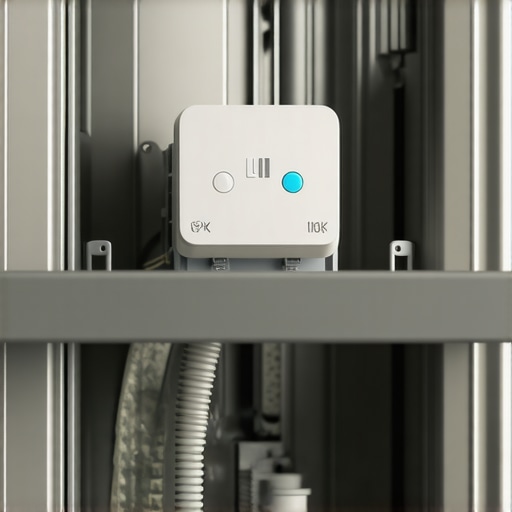 Many homeowners mistakenly assume that warranty coverage, diagnostics, and appliance repair are straightforward matters, but in reality, there’s a subtle nuance that often trips people up—misunderstanding the fine print and diagnostic processes that professionals use. For example, a common myth is that a simple reset or replacing a part guarantees a fix and that warranties will cover all repair costs; however, experts warn against relying solely on superficial fixes. Proper diagnostics require careful testing, like verifying control board signals or measuring electrical components with specialized tools such as a digital probe or multimeter—these diagnostics can detect faults before parts fail completely. An overlooked mistake is assuming that warranty claims are automatic; many homeowners neglect to document their repair attempts thoroughly, which can void their coverage—see how to win warranty claims with proper proof.
key question for advanced users: How do control boards fail silently, and what are the best diagnostics to uncover hidden faults? Studies show that untreated micro-issues on electronic boards can escalate into complete failure, highlighting the importance of advanced diagnostics—learning how modern control boards fail helps prevent costly replacements. Moreover, many technicians overlook that improper installation or use of cheap, non-OEM parts may void warranty coverage from the start—so always diagnose before replacing parts. Keep in mind, the process of troubleshooting isn’t just trial-and-error; it involves systematic testing, data logging, and understanding the appliance’s firmware interactions. Remember, a well-documented, precise diagnostic can save hundreds, if not thousands, in unnecessary repairs or warranty rejection. Don’t fall into the trap of assuming all failures are visible or immediately fixable—invest in proper diagnostics first, to ensure your repair is effective and covered. Have you ever fallen into this trap? Let me know in the comments!
Essential Tools for Ongoing Dishwasher Care
Keeping your dishwasher running smoothly over time requires more than just regular use; it demands precise diagnostics, preventive maintenance, and reliable tools. One device I personally rely on is the digital multimeter. Not all multimeters are created equal, so I recommend investing in a high-quality digital multimeter capable of measuring AC/DC voltage, resistance, and continuity. This allows me to troubleshoot control boards, heating elements, and wiring issues accurately, saving time and unnecessary replacements.
Another must-have is a thermal camera. I use mine to quickly locate hidden leaks and cold spots, especially when visual inspection isn’t enough. For example, a quick scan of the dishwasher’s base or seals can reveal temperature anomalies indicating leaks or failing components, as detailed in this source. Investing in a thermal camera is affordable nowadays and pays for itself by preventing water damage and potential control board failures.
To monitor cycle issues and detect firmware glitches, I utilize a Bluetooth-enabled diagnostic tool. These devices, like the popular Bluetooth tool, connect to your smartphone, providing real-time data and error codes. Using this, I can identify hidden faults without invasive disassembly, significantly reducing repair time.
For physical inspections, a long-reach mirror and flexible flashlight are indispensable. They allow me to see behind components and under tight spaces, ensuring I don’t miss subtle signs of wear or damage. These tools are critical when checking seals, hoses, or loose wiring connections, which are common culprits in appliance failure.
Anticipate Future Trends in Dishwasher Maintenance
As smart technology becomes more integrated, expect diagnostic tools to evolve into comprehensive diagnostic apps connected via Wi-Fi, enabling remote troubleshooting. Already, manufacturers are rolling out firmware updates and diagnostic protocols accessible via smartphone apps, reducing the need for professional visits altogether. To stay ahead, I recommend familiarizing yourself with these emerging tools and maintaining up-to-date software on your devices.
If you want to extend your dishwasher’s lifespan, try integrating a control panel diagnostic reset as part of your routine. It’s a simple yet effective way to prevent small glitches from escalating into costly repairs. Regular diagnostics and proactive maintenance ensure your appliance stays in peak condition—saving you money and time in the long run.
How do I maintain diagnosis tools over time?
To keep your diagnostic tools reliable, regularly calibrate your multimeter and update app firmware. Store your thermal camera in a dry, protected area to avoid sensor degradation. Also, keep a log of error codes and repair notes to recognize patterns early. Proper maintenance of your tools ensures they remain accurate, so you can diagnose issues promptly—think of it as giving your tools a check-up just like your dishwasher.
Remember, the right tools make all the difference. Start with a high-quality multimeter and a thermal camera, and you’ll be able to troubleshoot effectively, prevent disasters, and extend your dishwasher’s lifespan. For more advanced tactics, explore professional testing strategies. Don’t wait until a failure happens—proactive diagnostics are your best defense.
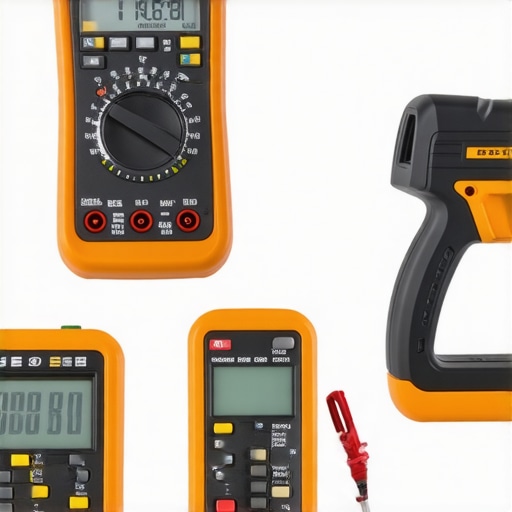
Pro tip: try using a Bluetooth diagnostic tool during your next cycle test. It can reveal subtle electrical issues before they cause major problems, making maintenance both smarter and more efficient.
Lessons That Changed My Approach to Appliance Security
- Never underestimate the importance of precise sensor calibration; a small misalignment can lead to false alarms or, worse, missed leaks that cause damage. My mistake was rushing through calibration, which cost me dearly later.
- Developing a habit of thorough diagnostics before replacing parts saved me hundreds in unnecessary repairs. I learned this the hard way when a simple fuse fix didn’t resolve the recurring overfill issue.
- Understanding the limitations of warranty coverage—especially how improper installation or using non-OEM parts can void it—was a game-changer. Now, I document every step meticulously to ensure my repairs are protected.
- Investing in quality diagnostic tools like a thermal camera and a good multimeter offered insights I couldn’t get from visual inspections alone, revealing hidden problems early.
- Embracing proactive maintenance routines, such as routine sensor checks and firmware updates, extended my dishwasher’s lifespan and prevented costly breakdowns, giving me peace of mind.
Tools and Resources That Make a Difference
- High-Quality Multimeter: I trust this tool for accurate electrical diagnostics, which is essential before replacing control boards or heating elements. Check out the recommended multimeters.
- Thermal Camera: This device uncovers hidden leaks and weird hot spots, saving me from guesswork. I rely on my camera regularly; see this guide for tips.
- Bluetooth Diagnostic Tools: Connecting to smartphone apps helps me interpret error codes in real-time, making diagnostics faster and more accurate. Find out more at top recommended devices.
- Inspection Mirrors & Flexible Flashlights: These simple yet vital tools helped me see behind components without dismantling everything. They are invaluable in tight spaces.
Your Next Step Towards a Safer, Smarter Home
Taking proactive measures with sensors and diagnostics isn’t just about preventing floods; it’s about empowering yourself to understand your appliances deeply. It’s a journey of learning and confidence, and I encourage you to start today. Whether through installing ultrasonic sensors, mastering diagnostic tools, or simply adopting regular maintenance routines, every step helps you build resilience against unexpected failures. Don’t let uncertainties hold you back—equip yourself with knowledge and the right tools to keep your dishwasher—and your home—dry and secure. Have you ever struggled with identifying the root cause of an appliance issue? Share your experiences below and let’s grow smarter together!”}#END}]]}#}#}#}#}#}#}#}#}#}#}#}#}#}#}#}#}#}#}#}#}#}#}#}#}#}#}#}#}#}#}#}#}#}#}#}#}#}#}#}#}#}#}#}#}#}#}#}#}#}#}#}#}#}#}#}#}#}#}#}#}#}#}#}#}#}#}#}#}#}#}#}#}#}#}#}#}#}#}#}#}#}#}#}#}#}#}#}#}#}#}#}#}#}#}#}#}#}#}#}#}#}#}#}#}#}#}#}#}#}#}#}#}#}#}#}#}#}#}#}#}#}#}#}#}#}#}#}#}#}#}#}#}#}#}#}#}#}#}#}#}#}#}#}#}#}#}#}#}#}#}#}#}#}#}#}#}#}#}#}#}#}#}#}#}#}#}#}#}#}#}#}#}#}#}#}#}#}#}#}#}#}#}#}#}#}#}#}#}#}#}#}#}#}#}#}#}#}#}#}#}#}#}#}#}#}#}#}#}#}#}#}#}#}#}#}#}#}#}#}#}#}#}#}#}#}#}#}#}#}#}#}#}#}#}#}#}#}#}#}#}#}#}#}#}#}#}#}#}#}#}#}#}#}#}#}#}#}#}#}#}#}#}#}#}#}#}#}#}#}#}#}#}#}#}#}#}#}#}#}#}#}#}#}#}#}#}#}#}#}#}#}#}#}#}#}#}#}#}#}#}#}#}#}#}#}#}#}#}#}#}#}#}#}#}#}#}#}#}#}#}#}#}#}#}#}#}#}#}#}#}#}#}#}#}#}#}#}#}#}#}#}#}#}#}#}#}#}#}#}#}#}#}#}#}#}#}#}#}#}#}#}#}#}#}#}#}#}#}#}#}#}#}#}#}#}#}#}#}#}#}#}#}#}#}#}#}#}#}#}#}#}#}#}#}#}#}#}#}#}#}#}#}#}#}#}#}#}#}#}#}#}#}#}#}#}#}#}#}#}#}#}#}#}#}#}#}#}#}#}#}#}#}#}#}#}#}#}#}#}#}#}#}#}#}#}#}#}#}#}#}#}#}#}#}#}#}#}#}#}#}#}#}#}#}#}#}#}#}#}#}#}#}#}#}#}#}#}#}#}#}#}#}#}#}#}#}#}#}#}#}#}#}#}#}#}#}#}#}#}#}#}#}#}#}#}#}#}#}#}#}#}#}#}#}#}#}#}#}#}#}#}#}#}#}#}#}#}#}#}#}#}#}#}#}#}#}#}#}#}#}#}#}#}#}#}#}#}#}#}#}#}#}#}#}#}#}#}#}#}#}#}#}#}#}#}#}#}#}#}#}#}#}#}#}#}#}#}#}#}#}#}#}#}#}#}#}#}#}#}#}#}#}#}#}#}#}#}#}#}#}#}#}#}#}#}#}#}#}#}#}#}#}#}#}#}#}#}#}#}#}#}#}#}#}#}#}#}#}#}#}#}#}#}#}#}#}#}#}#}#}#}#}#}#}#}#}#}#}#}#}#}#}#}#}#}#}#}#}#}#}#}#}#}#}#}#}#}#}#}#}#}#}#}#}#}#}#}#}#}#}#}#}#}#}#}#}#}#}#}#}#}#}#}#}#}#}#}#}#}#}#}#}#}#}#}#}#}#}#}#}#}#}#}#}#}#}#}#}#}#}#}#}#}#}#}#}#}#}#}#}#}#}#}#}#}#}#}#}#}#}#}#}#}#}#}#}#}#}#}#}#}#}#}#}#}#}#}#}#}#}#}#}#}#}#}#}#}#}#}#}#}#}#}#}#}#}#}#}#}#}#}#}#}#}#}#}#}#}#}#}#}#}#}#}#}#}#}#}#}#}#}#}#}#}#}#}#}#}#}#}#}#}#}#}#}#}#}#}#}#}#}#}#}#}#}#}#}#}#}#}#}#}#}#}#}#}#}#}#}#}#}#}#}#}#}#}#}#}#}#}#}#}#}#}#}#}#}#}#}#}#}#}#}#}#}#}#}#}#}#}#}#}#}#}#}#}#}#}#}#}#}#}#}#}#}#}#}#}#}#}#}#}#}#}#}#}#}#}#}#}#}#}#}#}#}#}#}#}#}#}#}#}#}#}#}#}#}#}#}#}#}#}#}#}#}#}#}#}#}#}#}#}#}#}#}#}#}#}#}#}#}#}#}#}#}#}#}#}#}#}#}#}#}#}#}#}#}#}#}#}#}#}#}#}#}#}#}#}#}#}#}#}#}#}#}#}#}#}#}#}#}#}#}#}#}#}#}#}#}#}#}#}#}#}#}#}#}#}#}#}#}#}#}#}#}#}#}#}#}#}#}#}#}#}#}#}#}#}#}#}#}#}#}#}#}#}#}#}#}#}#}#}#}#}#}#}#}#}#}#}#}#}#}#}#}#}#}#}#}#}#}#}#}#}#}#}#}#}#}#}#}#}#}#}#}#}#}#}#}#}#}#}#}#}#}#}#}#}#}#}#}#}#}#}#}#}#}#}#}#}#}#}#}#}#}#}#}#}#}#}#}#}#}#}#}#}#}#}#}#}#}#}#}#}#}#}#}#}#}#}#}#}#}#}#}#}#}#}#}#}#}#}#}#}#}#}#}#}#}#}#}#}#}#}#}#}#}#}#}#}#}#}#}#}#}#}#}#}#}#}#}#}#}#}#}#}#}#}#}#}#}#}#}#}#}#}#}#}#}#}#}#}#}#}#}#}#}#}#}#}#}#}#}#}#}#}#}#}#}#}#}#}#}#}#}#}#}#}#}#}#}#}#}#}#}#}#}#}#}#}#}#}#}#}#}#}#}#}#}#}#}#}#}#}#}#}#}#}#}#}#}#}#}#}#}#}#}#}#}#}#}#}#}#}#}#}#}#}#}#}#}#}#}#}#}#}#}#}#}#}#}#}#}#}#}#}#}#}#}#}#}#}#}#}#}#}#}#}#}#}#}#}#}#}#}#}#}#}#}#}#}#}#}#}#}#}#}#}#}#}#}#}#}#}#}#}#}#}#}#}#}#}#}#}#}#}#}#}#}#}#}#}#}#}#}#}#}#}#}#}#}#}#}#}#}#}#}#}#}#}#}#}#}#}#}#}#}#}#}#}#}#}#}#}#}#}#}#}#}#}#}#}#}#}#}#}#}#}#}#}#}#}#}#}#}#}#}#}#}#}#}#}#}#}#}#}#}#}#}#}#}#}#}#}#}#}#}#}#}#}#}#}#}#}#}#}#}#}#}#}#}#}#}#}#}#}#}#}#}#}#}#}#}#}#}#}#}#}#}#}#}#}#}#}#}#}#}#}#}#}#}#}#}#}#}#}#}#}#}#}#}#}#}#}#}#}#}#}#}#}#}#}#}#}#}#}#}#}#}#}#}#}#}#}#}#}#}#}#}#}#}#}#}#}#}#}#}#}#}#}#}#}#}#}#}#}#}#}#}#}#}#}#}#}#}#}#}#}#}#}#}#}#}#}#}#}#}#}#}#}#}#}#}#}#}#}#}#}#}#}#}#}#}#}#}#}#}#}#}#}#}#}#}#}#}#}#}#}#}#}#}#}#}#}#}#}#}#}#}#}#}#}#}#}#}#}#}#}#}#}#}#}#}#}#}#}#}#}#}#}#}#}#}#}#}#}#}#}#}#}#}#}#}#}#}#}#}#}#}#}#}#}#}#}#}#}#}#}#}#}#}#}#}#}#}#}#}#}#}#}#}#}#}#}#}#}#}#}#}#}#}#}#}#}#}#}#}#}#}#}#}#}#}#}#}#}#}#}#}#}#}#}#}#}#}#}#}#}#}#}#}#}#}#}#}#}#}#}#}#}#}#}#}#}#}#}#}#}#}#}#}#}#}#}#}#}#}#}#}#}#}#}#}#}#}#}#}#}#}#}#}#}#}#}#}#}#}#}#}#}#}#}#}#}#}#}#}#}#}#}#}#}#}#}#}#}#}#}#}#}#}#}#}#}#}#}#}#}#}#}#}#}#}#}#}#}#}#}#}#}#}#}#}#}#}#}#}#}#}#}#}#}#}#}#}#}#}#}#}#}#}#}#}#}#}#}#}#}#}#}#}#}#}#}#}#}#}#}#}#}#}#}#}#}#}#}#}#}#}#}#}#}#}#}#}#}#}#}#}#}#}#}#}#}#}#}#}#}#}#}#}#}#}#}#}#}#}#}#}#}#}#}#}#}#}#}#}#}#}#}#}#}#}#}#}#}#}#}#}#}#}#}#}#}#}#}#}#}#}#}#}#}#}#}#}#}#}#}#}#}#}#}#}#}#}#}#}#}#}#}#}#}#}#}#}#}#}#}#}#}#}#}#}#}#}#}#}#}#}#}#}#}#}#}#}#}#}#}#}#}#}#}#}#}#}#}#}#}#}#}#}#}#}#}#}#}#}#}#}#}#}#}#}#}#}#}#}#}#}#}#}#}#}#}#}#}#}#}#}#}#}#}#}#}#}#}#}#}#}#}#}#}#}#}#}#}#}#}#}#}#}#}#}#}#}#}#}#}#}#}#}#}#}#}#}#}#}#}#}#}#}#}#}#}#}#}#}#}#}#}#}#}#}#}#}#}#}#}#}#}#}#}#}#}#}#}#}#}#}#}#}#}#}#}#}#}#}#}#}#}#}#}#}#}#}#}#}#}#}#}#}#}#}#}#}#}#}#}#}#}#}#}#}#}#}#}#}#}#}#}#}#}#}#}#}#}#}#}#}#}#}#}#}#}#}#}#}#}#}#}#}#}#}#}#}#}#}#}#}#}#}#}#}#}#}#}#}#}#}#}#}#}#}#}#}#}#}#}#}#}#}#}#}#}#}#}#}#}#}#}#}#}#}#}#}#}#}#}#}#}#}#}#}#}#}#}#}#}#}#}#}#}#}#}#}#}#}#}#}#}#}#}#}#}#}#}#}#}#}#}#}#}#}#}#}#}#}#}#}#}#}#}#}#}#}#}#}#}#}#}#}#}#}#}#}#}#}#}#}#}#}#}#}#}#}#}#}#}#}#}#}#}#}#}#}#}#}#}#}#}#}#}#}#}#}#}#}#}#}#}#}#}#}#}#}#}#}#}#}#}#}#}#}#}#}#}#}#}#}#}#}#}#}#}#}#}#}#}#}#}#}#}#}#}#}#}#}#}#}#}#}#}#}#}#}#}#}#}#}#}#}#}#}#}#}#}#}#}#}#}#}#}#}#}#}#}#}#}#}#}#}#}#}#}#}#}#}#}#}#}#}#}#}#}#}#}#}#}#}#}#}#}#}#}#}#}#}#}#}#}#}#}#}#}#}#}#}#}#}#}#}#}#}#}#}#}#}#}#}#}#}#}#}#}#}#}#}#}#}#}#}#}#}#}#}#}#}#}#}#}#}#}#}#}#}#}#}#}#}#}#}#}#}#}#}#}#}#}#}#}#}#}#}#}#}#}#}#}#}#}#}#}#}#}#}#}#}#}#}#}#}#}#}#}#}#}#}#}#}#}#}#}#}#}#}#}#}#}#}#}#}#}#}#}#}#}#}#}#}#}#}#}#}#}#}#}#}#}#}#}#}#}#}#}#}#}#}#}#}#}#}#}#}#}#}#}#}#}#}#}#}#}#}#}#}#}#}#}#}#}#}#}#}#}#}#}#}#}#}#}#}#}#}#}#}#}#}#}#}#}#}#}#}#}#}#}#}#}#}#}#}#}#}#}#}#}#}#}#}#}#}#}#}#}#}#}#}#}#}#}#}#}#}#}#}#}#}#}#}#}#}#}#}#}#}#}#}#}#}#}#}#}#}#}#}#}#}#}#}#}#}#}#}#}#}#}#}#}#}#}#}#}#}#}#}#}#}#}#}#}#}#}#}#}#}#}#}#}#}#}#}#}#}#}#}#}#}#}#}#}#}#}#}#}#}#}#}#}#}#}#}#}#}#}#}#}#}#}#}#}#}#}#}#}#}#}#}#}#}#}#}#}#}#}#}#}#}#}#}#}#}#}#}#}#}#}#}#}#}#}#}#}#}#}#}#}#}#}#}#}#}#}#}#}#}#}#}#}#}#}#}#}#}#}#}#}#}#}#}#}#}#}#}#}#}#}#}#}#}#}#}#}#}#}#}#}#}#}#}#}#}#}#}#}#}#}#}#}#}#}#}#}#}#}#}#}#}#}#}#}#}#}#}#}#}#}#}#}#}#}#}#}#}#}#}#}#}#}#}#}#}#}#}#}#}#}#}#}#}#}#}#}#}#}#}#}#}#}#}#}#}#}#}#}#}#}#}#}#}#}#}#}#}#}#}#}#}#}#}#}#}#}#}#}#}#}#}#}#}#}#}#}#}#}#}#}#}#}#}#}#}#}#}#}#}#}#}#}#}#}#}#}#}#}#}#}#}#}#}#}#}#}#}#}#}#}#}#}#}#}#}#}#}#}#}#}#}#}#}#}#}#}#}#}#}#}#}#}#}#}#}#}#}#}#}#}#}#}#}#}#}#}#}#}#}#}#}#}#}#}#}#}#}#}#}#}#}#}#}#}#}#}#}#}#}#}#}#}#}#}#}#}#}#}#}#}#}#}#}#}#}#}#}#}#}#}#}#}#}#}#}#}#}#}#}#}#}#}#}#}#}#}#}#}#}#}#}#}#}#}#}#}#}#}#}#}#}#}#}#}#}#}#}#}#}#}#}#}#}#}#}#}#}#}#}#}#}#}#}#}#}#}#}#}#}#}#}#}#}#}#}#}#}#}#}#}#}#}#}#}#}#}#}#}#}#}#}#}#}#}#}#}#}#}#}#}#}#}#}#}#}#}#}#}#}#}#}#}#}#}#}#}#}#}#}#}#}#}#}#}#}#}#}#}#}#}#}#}#}#}#}#}#}#}#}#}#}#}#}#}#}#}#}#}#}#}#}#}#}#}#}#}#}#}#}#}#}#}#}#}#}#}#}#}#}#}#}#}#}#}#}#}#}#}#}#}#}#}#}#}#}#}#}#}#}#}#}#}#}#}#}#}#}#}#}#}#}#}#}#}#}#}#}#}#}#}#}#}#}#}#}#}#}#}#}#}#}#}#}#}#}#}#}#}#}#}#}#}#}#}#}#}#}#}#}#}#}#}#}#}#}#}#}#}#}#}#}#}#}#}#}#}#}#}#}#}#}#}#}#}#}#}#}#}#}#}#}#}#}#}#}#}#}#}#}#}#}#}#}#}#}#}#}#}#}#}#}#}#}#}#}#}#}#}#}#}#}#}#}#}#}#}#}#}#}#}#}#}#}#}#}#}#}#}#}#}#}#}#}#}#}#}#}#}#}#}#}#}#}#}#}#}#}#}#}#}#}#}#}#}#}#}#}#}#}#}#}#}#}#}#}#}#}#}#}#}#}#}#}#}#}#}#}#}#}#}#}#}#}#}#}#}#}#}#}#}#}#}#}#}#}#}#}#}#}#}#}#}#}#}#}#}#}#}#}#}#}#}#}#}#}#}#}#}#}#}#}#}#}#}#}#}#}#}#}#}#}#}#}#}#}#}#}#}#}#}#}#}#}#}#}#}#}#}#}#}#}#}#}#}#}#}#}#}#}#}#}#}#}#}#}#}#}#}#}#}#}#}#}#}#}#}#}#}#}#}#}#}#}#}#}#}#}#}#}#}#}#}#}#}#}#}#}#}#}#}#}#}#}#}#}#}#}#}#}#}#}#}#}#}#}#}#}#}#}#}#}#}#}#}#}#}#}#}#}#}#}#}#}#}#}#}#}#}#}#}#}#}#}#}#}#}#}#}#}#}#}#}#}#}#}#}#}#}#}#}#}#}#}#}#}#}#}#}#}#}#}#}#}#}#}#}#}#}#}#}#}#}#}#}#}#}#}#}#}#}#}#}#}#}#}#}#}#}#}#}#}#}#}#}#}#}#}#}#}#}#}#}#}#}#}#}#}#}#}#}#}#}#}#}#}#}#}#}#}#}#}#}#}#}#}#}#}#}#}#}#}#}#}#}#}#}#}#}#}#}#}#}#}#}#}#}#}#}#}#}#}#}#}#}#}#}#}#}#}#}#}#}#}#}#}#}#}#}#}#}#}#}#}#}#}#}#}#}#}#}#}#}#}#}#}#}#}#}#}#}#}#}#}#}#}#}#}#}#}#}#}#}#}#}#}#}#}#}#}#}#}#}#}#}#}#}#}#}#}#}#}#}#}#}#}#}#}#}#}#}#}#}#}#}#}#}#}#}#}#}#}#}#}#}#}#}#}#}#}#}#}#}#}#}#}#}#}#}#}#}#}#}#}#}#}#}#}#}#}#}#}#}#}#}#}#}#}#}#}#}#}#}#}#}#}#}#}#}#}#}#}#}#}#}#}#}#}#}#}#}#}#}#}#}#}#}#}#}#}#}#}#}#}#}#}#}#}#}#}#}#}#}#}#}#}#}#}#}#}#}#}#}#}#}#}#}#}#}#}#}#}#}#}#}#}#}#}#}#}#}#}#}#}#}#}#}#}#}#}#}#}#}#}#}#}#}#}#}#}#}#}#}#}#}#}#}#}#}#}#}#}#}#}#}#}#}#}#}#}#}#}#}#}#}#}#}#}#}#}#}#}#}#}#}#}#}#}#}#}#}#}#}#}#}#}#}#}#}#}#}#}#}#}#}#}#}#}#}#}#}#}#}#}#}#}#}#}#}#}#}#}#}#}#}#}#}#}#}#}#}#}#}#}#}#}#}#}#}#}#}#}#}#}#}#}#}#}#}#}#}#}#}#}#}#}#}#}#}#}#}#}#}#}#}#}#}#}#}#}#}#}#}#}#}#}#}#}#}#}#}#}#}#}#}#}#}#}#}#}#}#}#}#}#}#}#}#}#}#}#}#}#}#}#}#}#}#}#}#}#}#}#}#}#}#}#}#}#}#}#}#}#}#}#}#}#}#}#}#}#}#}#}#}#}#}#}#}#}#}#}#}#}#}#}#}#}#}#}#}#}#}#}#}#}#}#}#}#}#}#}#}#}#}#}#}#}#}#}#}#}#}#}#}#}#}#}#}#}#}#}#}#}#}#}#}#}#}#}#}#}#}#}#}#}#}#}#}#}#}#}#}#}#}#}#}#}#}#}#}#}#}#}#}#}#}#}#}#}#}#}#}#}#}#}#}#}#}#}#}#}#}#}#}#}#}#}#}#}#}#}#}#}#}#}#}#}#}#}#}#}#}#}#}#}#}#}#}#}#}#}#}#}#}#}#}#}#}#}#}#}#}#}#}#}#}#}#}#}#}#}#}#}#}#}#}#}#}#}#}#}#}#}#}#}#}#}#}#}#}#}#}#}#}#}#}#}#}#}#}#}#}#}#}#}#}#}#}#}#}#}#}#}#}#}#}#}#}#}#}#}#}#}#}#}#}#}#}#}#}#}#}#}#}#}#}#}#}#}#}#}#}#}#}#}#}#}#}#}#}#}#}#}#}#}#}#}#}#}#}#}#}#}#}#}#}#}#}#}#}#}#}#}#}#}#}#}#}#}#}#}#}#}#}#}#}#}#}#}#}#}#}#}#}#}#}#}#}#}#}#}#}#}#}#}#}#}#}#}#}#}#}#}#}#}#}#}#}#}#}#}#}#}#}#}#}#}#}#}#}#}#}#}#}#}#}#}#}#}#}#}#}#}#}#}#}#}#}#}#}#}#}#}#}#}#}#}#}#}#}#}#}#}#}#}#}#}#}#}#}#}#}#}#}#}#}#}#}#}#}#}#}#}#}#}#}#}#}#}#}#}#}#}#}#}#}#}#}#}#}#}#}#}#}#}#}#}#}#}#}#}#}#}#}#}#}#}#}#}#}#}#}#}#}#}#}#}#}#}#}#}#}#}#}#}#}#}#}#}#}#}#}#}#}#}#}#}#}#}#}#}#}#}#}#}#}#}#}#}#}#}#}#}#}#}#}#}#}#}#}#}#}#}#}#}#}#}#}#}#}#}#}#}#}#}#}