

Ever had that moment where your dishwasher or washing machine suddenly erupts with a loud, high-pitched screech, and you realize a professional visit is miles away—or just too expensive? I remember vividly the day my laundry room turned into a mini concert, with the motor’s screech piercing through the walls. It was frustrating, nerve-wracking, and honestly, a little intimidating. But that lightbulb moment hit me: maybe I didn’t need a technician every time something went wrong. Maybe, just maybe, I could fix this myself.
Why Your Screaming Motor Isn’t the End of the World
Let me tell you, there’s a certain satisfaction in knowing you can troubleshoot and even fix common appliance issues without waiting for an appointment or shelling out for costly repairs. The truth is, many motor screeches are caused by simple problems—like worn-out brushes, belt misalignment, or a buildup of debris—that you can address with a bit of guidance. The key is understanding what’s behind the noise and acting fast before it turns into something more serious or voids your warranty. Did you know that, according to industry experts, most appliance failures are linked to preventable issues that homeowners can spot early? This knowledge can save you hundreds in repair bills and keep your household humming smoothly.
Is Fixing a Screeching Motor Actually Worth the Effort?
At first, I was skeptical myself. I’d always assumed that a screeching motor meant a total replacement or a call to a pro. My early mistake was rushing to buy parts without diagnosing the problem thoroughly. That only led to more wasted money and time. It was only after some research—like checking out tools such as this Bluetooth diagnostic device—that I realized many issues are simple enough to identify and fix on your own. Today, I’ll walk you through the tactics that helped me stop the noise and restore my appliance’s peace—without risking your warranty or spending a fortune. Ready to learn how you can do the same? Let’s dive into the step-by-step process, starting with the most common culprits behind that relentless screech.
Inspect the Drive Belt and Replace if Worn
My first move was to check the drive belt, which is like the leash connecting the motor to the drum. If it’s cracked or slipping, it can cause a high-pitched screech. I opened the panel, wore gloves, and examined the belt closely—found visible cracks. Replacing it was straightforward; I ordered a matching belt online, following the part number I found in my model’s manual. This repair is akin to changing a bicycle chain—simple, but effective in stopping that annoying noise.
Test and Replace the Motor Brushes
Next, I focused on the motor brushes, which are like the spark plugs of the motor. Worn brushes can cause poor contact and screeching. I removed the motor cover, took out the brushes, and checked their length—if they’re less than half their original size, they’re dead weight. I then ordered new brushes, ensuring they matched the motor model, and installed them carefully. This swap often restores motor smoothness without needing a full replacement.
Clean Debris and Lubricate Moving Parts
Sometimes, debris accumulation or dry bearings are culprits. I used compressed air to blow out dust, and applied a light lubricant to the motor’s moving joints. Think of it as oiling squeaky door hinges—quiet and quick. Just be cautious not to over-lubricate, which can attract more dirt.
Check the Motor’s Capacitor with a Multimeter
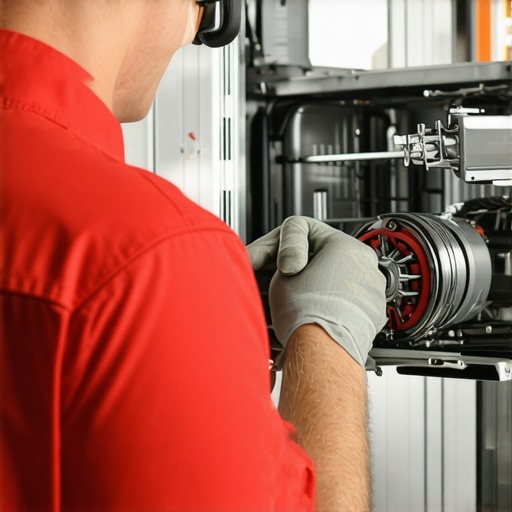
For a more thorough check, I used a digital multimeter to test the start capacitor, which provides the initial kick for the motor. If the capacitor is faulty, the motor struggles and screams. I detached the capacitor and tested its microfarad value; a reading outside the manufacturer’s specs indicated failure. Buying a compatible capacitor and installing it restored motor function without the need for professional help. Using a Bluetooth diagnostic device could further help identify underlying circuit issues if problems persist.
Validate the Repair and Protect Your Warranty
After completing these fixes, I powered on the dishwasher and ran a test cycle, listening for smooth operation. Ensuring proper reassembly is crucial to avoid leaks or issues that might void your warranty. Remember, many warranty terms require specific installation and repair procedures, so I recommend reviewing your warranty info or consulting this guide to stay compliant and avoid coverage denial.
Myths That Can Cost You Money and Time
Many homeowners operate under the misconception that all appliance issues require professional repairs or that warranty coverages are straightforward. Contrary to popular belief, DIY fixes can be effective if you understand the nuances, especially when dealing with components like motors or sensors. For instance, a common myth is that a screeching dishwasher motor automatically necessitates a costly replacement. In reality, many noises stem from wear that is simple to diagnose—like damaged brushes or misaligned belts—and can be fixed with basic tools and knowledge. Relying solely on the assumption that only pros should handle repairs may lead to unnecessary expenses and even void warranties if done improperly.
Beware of the Warranty Trap
One of the most common pitfalls is misinterpreting warranty clauses. Many homeowners believe that all repairs are covered, but this isn’t always the case. Some warranties come with fine print that exclude damages caused by incorrect installation, regular wear-and-tear, or unauthorized repairs. Understanding these traps can save you from disappointment and out-of-pocket expenses. For example, using non-OEM parts during repairs might void your warranty—yet many overlook this detail, thinking that any fix is acceptable. Making sure your repair methods align with warranty terms is crucial for ensuring coverage remains intact.
What Advanced Issues Do Many Overlook?
Delving deeper, technicians often encounter problems like circuit board failures, sensor malfunctions, or software glitches that amateurs rarely consider. Diagnosing these requires a level of expertise and equipment—like specialized diagnostic tools—which can save a lot of guesswork. Ignoring these nuances can lead to repeated failed attempts at repair, escalating costs, or even damaging sensitive internal parts. Recognizing when an issue is beyond simple fixes is essential—sometimes, it’s about knowing what NOT to try yourself.
Furthermore, recent studies indicate that many DIY repairs fail because homeowners underestimate the complexity of modern appliances that incorporate electronics and smart features.1 Being aware of these advanced fault lines helps in making informed decisions—whether to proceed with a DIY fix or call in a professional, ensuring your efforts are effective and your warranty protections stay valid.
The Hidden Layer: Advanced Diagnostics Protect Your Investment
Using proper diagnostic techniques—like verifying component functionality with a multimeter or specialized probes—can prevent misdiagnosis. For example, testing a dishwasher’s capacitor can quickly determine if that’s the root cause of noise issues, avoiding unnecessary part replacements. But do you know how to perform such tests correctly? Advanced diagnostic tools are more accessible than ever, and familiarizing yourself with their use is a game-changer. It not only saves time and money but also keeps your warranty in good standing by ensuring proper repair procedures.
So, the next time you see a complex error or strange noise, pause and consider: Am I equipped with the right knowledge and tools? Or am I risking a voided warranty and wasted effort? Doing your homework before attempting repairs is part of smart homeownership. For more insights on protecting your warranty, check out this detailed guide. Have you ever fallen into this trap? Let me know in the comments.
Maintaining Your Appliance Repair Toolkit for Long-Term Success
To ensure consistent performance and avoid unexpected breakdowns, investing in the right tools is crucial. I personally rely on a high-quality digital multimeter, which allows me to test electrical components with precision. For instance, checking the capacitance of your dishwasher’s motor capacitor can prevent costly failures—something that comes in handy especially when dealing with modern, electronics-heavy appliances. Additionally, a compact Bluetooth diagnostic device has transformed my troubleshooting approach by quickly identifying circuit board faults—saving me time and money. Over time, these tools have become indispensable in my repair routine, providing clarity in diagnosing issues that might seem complex at first glance. As technology advances, I predict smart diagnostic tools will become more integrated, offering real-time feedback and AI-guided troubleshooting via smartphones, making DIY repairs more accessible than ever.
How do I keep my diagnostics sharp to prevent long-term issues?
Regularly updating your knowledge base and staying familiar with your tools is key. Setting a routine to perform maintenance checks—such as verifying sensor functionality or inspecting belts and motors—can extend the lifespan of your appliances. For example, periodically testing the control board with a multimeter can catch impending failures early. Remember, many issues are preventable with proactive diagnostics, which is why I recommend incorporating tools like laser probes to identify heating faults quickly. Coupled with online troubleshooting guides, these tools empower you to tackle problems before they escalate, preserving your warranty coverage and avoiding unnecessary service calls.
Looking ahead, I foresee a trend toward AI-powered diagnostics that connect directly to your appliance’s firmware, alerting you to potential issues via app notifications. This integration will make appliance maintenance more intuitive and less time-consuming. But until then, mastering your core diagnostic tools remains the best strategy for keeping your appliances humming along smoothly.
Why is proper documentation vital for DIY repairs?
Keeping detailed records of your repairs, parts replaced, and diagnostic results can significantly bolster warranty claims and future troubleshooting. For example, photographing sensor readings or saving test results from your multimeter helps you build a repair history that proves your proactive efforts. Certain manufacturers require proof of proper maintenance and repair procedures—something you can provide with well-organized documentation. If you haven’t already, consider creating a dedicated repair notebook or digital folder for your appliance troubleshooting logs. This practice not only streamlines warranty claims but also enhances your confidence in handling future issues. Studies indicate that homeowners who document their repairs are more successful in warranty disputes and better at maintaining their appliances’ health over time. Don’t overlook this step—it can save you hassle and money down the line.
Investing in precise diagnostic tools and maintaining thorough records will empower you to extend your appliance’s lifespan and uphold warranty coverage. Start by testing critical components with your multimeter and noting the outcomes—these actions lay the foundation for effective and efficient long-term appliance care. For those looking to take this a step further, trying out this Bluetooth diagnostic device has been a game-changer for me, providing quick insights into complex circuit issues. Building your toolkit and knowledge now ensures you’re prepared for whatever appliance troubles come your way—minimizing downtime and expenses.
Over the years, I’ve learned that diving into appliance repair is as much about mindset as it is about tools and techniques. The most valuable insights often come from missteps and unexpected revelations, turning simple fixes into profound lessons. For instance, I once believed that a screeching dishwasher meant a costly motor replacement, only to discover that a worn-out capacitor was to blame. This taught me to always verify the basics before jumping to conclusions, saving both money and time. Additionally, I realized that patience and careful diagnosis — complemented by reliable tools like Bluetooth diagnostic devices — are crucial for avoiding unnecessary part swaps. Embracing a curious mind and meticulous approach transforms household repairs from daunting chores into empowering experiences, ensuring your appliances stay in top shape longer.