

Last week, I was unloading my dishwasher when suddenly, I heard it—a high-pitched whine that seemed to slice through the usual hum of household life. My heart sank. I knew that sound all too well; it was the unmistakable cry of a drain pump nearing its breaking point. At first, I brushed it off as just another occasional nuisance, but as the days went by, the noise grew louder, more persistent. That moment was a lightbulb moment for me—realizing that my trusty dishwasher was signaling urgent trouble, and I needed to pay attention before things spiraled out of control.
Why That Kitchen Noise Shouldn’t Be Ignored
Is your dishwasher making strange noises, especially a sort of grinding or squealing sound coming from the bottom? Believe me, I’ve been there, and ignoring such signals can lead to costly repairs or even total appliance failure. That high-pitched sound is often the first sign that your drain pump is struggling—perhaps clogged, worn out, or about to seize altogether. Recognizing the early warning signs can save you a bundle and prevent the inconvenience of a broken dishwasher in the middle of your busy week.
In my case, ignoring that initial squeak would’ve been a mistake. I learned the hard way that pump failures don’t happen suddenly—they’re the result of months of neglect, buildup, and small issues ignored over time. According to industry experts, sounds like these are among the most common indicators that a dishwasher’s drain pump is on its last legs (source). If you’re hearing noises from your dishwasher, it’s time to act before water starts backing up, seals get damaged, or worse.
Today, I’ll walk you through how to diagnose your dishwasher’s drain pump sound, what might be causing it, and most importantly, how to fix—or at least assess—the problem yourself. Whether you’re a seasoned DIYer or just someone tired of Unloading and reloading the dishes with a nervous eye on that squeal, this post aims to arm you with practical steps grounded in experience. Let’s get started, shall we?
Locate the Drain Pump
Begin by unplugging your dishwasher and moving it out from under the counter. Remove the lower access panel using a screwdriver to expose the pump area. The drain pump is typically located at the bottom, attached to the sump assembly. Remember, safety first: always disconnect power before starting any repair.
Inspect for Obstructions and Debris
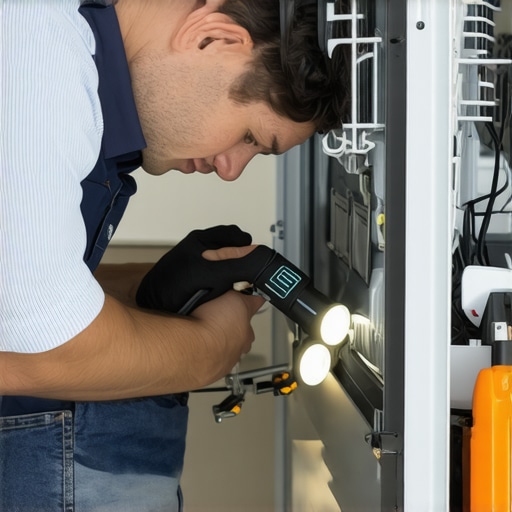
Carefully examine the pump impeller and surrounding area for any debris, like hair, food particles, or small objects. Use a flashlight to get a clear view. If debris is present, remove it gently with tweezers or your fingers, ensuring not to damage the impeller blades. I once found a small plastic piece stuck, which immediately stopped the noise once cleared.
Test the Pump Motor with a Multimeter
If no debris is the culprit, the motor might be failing. Set your multimeter to the ohms setting and disconnect the wires from the pump motor. Place the probes on the motor terminals; a reading of 0 ohms indicates a short, while an infinite reading suggests an open circuit. Use a cheap multimeter to perform this check, as discussed in this guide. I had a motor showing infinite resistance, confirming it was dead, leading me to replace it.
Check the Control Board
If the motor tests okay, the issue might be with the control board failing to send power. Use your smartphone or a multimeter to verify voltage at the pump connector during a drain cycle. Sometimes, unresponsive controls or a laggy control panel signal issues, detailed in here, can cause the pump not to power properly.
Assess for Electrical Fuses or Relays
Many dishwashers have a fuse or relay protecting the pump circuit. Check for blown fuses with a multimeter or visually inspect relay contacts. Replacing a blown fuse or faulty relay can resolve intermittent noise issues without replacing the entire pump assembly.
Test the Pump in Isolation
For definitive diagnosis, disconnect the pump and connect it directly to a 120V power supply with proper safety precautions. If it runs smoothly, your wiring or relay may be at fault. If it doesn’t, the pump itself needs replacing. This step helped me confirm the pump’s health, averting unnecessary replacements.
Consider Replacing the Pump
If all tests point to a faulty pump, order a compatible replacement. Remember, using OEM parts where possible can prevent warranty voids and ensure longevity. Before installing, clean the pump seal and housing thoroughly to avoid leaks. Follow manufacturer instructions carefully, or consult repair tutorials like those at this resource.
Reassemble and Test Your Repair
After installation, reconnect everything, restore power, and run a short drain cycle. Listen for any abnormal noises and observe proper drainage. Monitoring this initial test helps catch issues early before they escalate.
Many homeowners operate under misconceptions about appliance warranties and repair processes, believing that their coverage is foolproof or that DIY fixes are always safe. However, there’s a nuanced landscape that often trips up even the most vigilant individuals. Let’s dig deeper into the less obvious pitfalls and how to avoid common mistakes that could jeopardize your warranty or lead to costly repairs.
Myth of Unconditional Warranty Coverage
One widespread misconception is that once you have a warranty, any repair or issue is automatically covered. In reality, warranties come with fine print—specific clauses about what constitutes misuse, improper installation, or non-recommended parts. For example, using third-party replacement parts might void your warranty, a nuance often overlooked. To safeguard your coverage, always review your warranty terms thoroughly and maintain proper documentation.
Many consumers assume that DIY repairs are risk-free, but this isn’t always the case. A misdiagnosed or improperly performed fix can trigger warranty denial or even cause further damage. For instance, attempting to fix a dishwasher’s electronic control board without proper tools can exacerbate faults, leading to accusations of mishandling. It’s essential to recognize when professional intervention is necessary to preserve your warranty rights, as discussed in this detailed guide.
Overlooking the Fine Print on Service Claims
Another trap involves the small print on service agreements. Some warranties or service plans have clauses about required maintenance, registration deadlines, or specific troubleshooting steps to follow before claiming repairs. Failing to adhere to these details can result in claim rejection, even if the appliance is genuinely defective. Always document your maintenance activities and follow prescribed procedures diligently.
Now, consider the common mistake of taking shortcuts during diagnostics. It’s tempting to jump straight into parts replacement, but neglecting thorough diagnostics can lead to unnecessary expenses. Using advanced yet accessible techniques, like verifying control board signals or testing sensors, can prevent wasted efforts. For example, this resource highlights how proper multimeter use enhances diagnostic accuracy without professional-grade equipment.
Are You Falling for the Quick Fix Trap?
Many believe that quickly replacing a faulty component will restore their appliance for good. However, this approach often ignores underlying issues, such as wiring faults or sensor misalignments, which can cause repeated failures. A comprehensive diagnostics process, considering nuances like circuit integrity and micro-crack inspection, helps ensure you target the root cause. This is especially critical because, according to a study by the Consumer Technology Association, up to 30% of repeat repairs are due to incomplete diagnostics (source). Should you need guidance on advanced troubleshooting steps, check out the linked resources for in-depth techniques.
In conclusion, an informed approach to appliance warranties and repairs involves understanding the minutiae that often get overlooked. Recognizing these nuanced details can save you money, preserve your coverage, and extend the lifespan of your appliances. Have you ever fallen into this trap? Let me know in the comments and share your experiences—your insights can help others navigate this tricky terrain more confidently.
Investing in Proper Maintenance and Tools for Longevity
Maintaining your dishwasher’s health over time requires more than just occasional cleaning; it demands the right tools and a disciplined routine. Personally, I rely on a high-quality digital multimeter to diagnose electrical issues accurately. Why? Because in my experience, cheap multimeters often provide inconsistent readings, leading to misdiagnosed problems or unnecessary replacements. Investing in a reliable multimeter—such as the Fluke 115—is a game-changer for precise diagnostics, saving both time and money.
Another tool I recommend is a USB-connected borescope. This tiny, flexible camera allows me to inspect hard-to-reach areas inside the pump housing or tub without dismantling the entire unit. I’ve found that visual confirmation of debris buildup or micro-cracks in the tub can prevent costly repairs later. Brands like Depstech offer affordable models that connect directly to smartphones, making inspections more accessible and efficient.
For software support, I use diagnostic apps compatible with smartphones, like these sound analysis tools. They help me identify anomalies in pump operation or motor noise patterns, which are often signs of wear that need addressing before failure. As appliances become more intelligent, integrating app-based diagnostics into routine maintenance can prolong their lifespan and keep repairs predictable.
Consistency in maintenance routines is vital. Regularly clearing filters, checking for debris in the pump area, and running test cycles can catch issues early. For example, I schedule bi-monthly inspections using my multimeter and borescope, ensuring that electrical and mechanical components remain in good shape. This proactive approach aligns with advice from industry experts, such as those at this resource, which emphasizes early detection to prevent major failures.
How do I maintain my dishwasher over time? Dive into routine checks, keep tools ready, and don’t overlook emerging smart diagnostic tech. As trends suggest, future smart appliances will offer even more integrated maintenance alerts, reducing the need for guesswork. For now, upgrading your toolkit—for instance, with laser probes or infrared thermometers—can significantly improve troubleshooting accuracy and efficiency.
For example, using a laser temperature probe to pinpoint heating faults can quickly identify if the element or sensor is malfunctioning, enabling targeted repairs. These tools are affordable yet powerful allies in extending your dishwasher’s life.
Remember, a well-maintained appliance isn’t just about avoiding repairs; it’s about optimizing performance and ensuring safety. As technology advances, keeping pace with new diagnostic tools and maintenance strategies will help you stay ahead of potential issues. I recommend trying out a laser probe for your next troubleshooting session—it’s a straightforward investment that can save you hours and dollars in the long run.
How Overconfidence Can Cloud Your Judgment
One of the biggest lessons I learned was the danger of assuming that a simple visual check or a quick part swap solves all problems. I used to trust that replacing a component would fix the issue without proper diagnostics, but that often led me down a costly rabbit hole. Precise troubleshooting—like testing control signals or inspecting wiring—saves money and prevents unnecessary replacements.
The Value of Patience Over Hastiness
Getting frustrated and rushing into repairs might seem faster, but it can cause more harm than good. I found that stepping back, taking my time with each diagnostic step, and verifying assumptions led to more reliable fixes. Remember, patience in diagnosing appliance issues often results in a longer-lasting solution rather than temporary fixes.
Recognizing When to Call in Experts
No amount of DIY enthusiasm can replace professional insight, especially with complex control boards or electrical components. There were moments I faced uncertainty—like testing control boards with multimeters—and realized knowing my limits was crucial. When in doubt, seeking expert help not only preserves the warranty but also prevents accidental damage.
My Toolkit to Stay Ahead of Troubles
Having the right tools is transformative. A reliable multimeter helps me accurately diagnose electrical faults, while a borescope reveals hidden debris or cracks inside the pump housing. These tools, coupled with online resources such as useful guides, empower me to handle most issues without unnecessary costs.
Cherishing Preventive Maintenance over Repairs
Before problems escalate, regular maintenance routines—like cleaning filters, inspecting hoses, and running diagnostic tests—are a game-changer. Taking these small steps often prevents costly breakdowns. Think of maintenance as investing in peace of mind, which ultimately extends your appliance’s lifespan and preserves your warranty coverage.
My Essential Toolbox for Dishwasher Troubleshooting
Investing in quality diagnostics tools—such as a laser temperature probe to check heating elements or smartphone apps to analyze noise patterns—has made troubleshooting more efficient. These gadgets help identify subtle issues before they turn into major failures. For anyone committed to DIY repairs, exploring affordable yet powerful tools can revolutionize your approach, as discussed in this handy resource.
Embracing Continuous Learning for Better Repairs
The world of appliance repair evolves rapidly, and staying informed through blogs, tutorials, and community forums keeps my skills sharp. By sharing my experiences—like the importance of testing control signals or avoiding shortcuts—I’ve built a knowledge base that makes each repair less stressful and more successful. Knowledge truly is power when it comes to maintaining your appliances effectively.
Share Your Breakthrough Moments
The most fulfilling part of my repair journey is realizing that each challenge was an opportunity to learn something new. Have you ever had a breakthrough that changed how you approach appliance troubleshooting? Drop your stories below and let’s learn from each other’s wins and lessons. Remember, every repair is a step toward mastery, and no experience is wasted.