

Ever stood at your kitchen sink, watching your dishwasher sputter and groan, only to realize—your trusty appliance might be giving up? I remember the lightbulb moment vividly: a load of dishes left half-clean, the dreaded buzzing noise, and that sinking feeling that I was headed for a costly repair. It hit me then—how many subtle signs of a dying motor do I ignore, thinking it’s just a glitch, only to face a full breakdown later? As a seasoned DIY enthusiast and someone who’s been through appliance woes firsthand, I can tell you that catching these signs early can save you both money and frustration.
Why Time Isn’t on Your Side When Your Dishwasher Starts Acting Up
So, today, we’re going to decode the little signals your dishwasher’s motor might be sending—and how to respond before it finally conks out. I’ll share the most common signs I’ve seen in my experience and what they really mean. If you’re tired of guessing whether your dishwasher will make it through another cycle or if it’s time to call in backup, you’re in the right place. Trust me, understanding these indicators can make all the difference in preventing a full-blown failure that leaves you washing dishes by hand or paying for expensive repairs.
Is It Worth It to Repair or Just Replace the Dishwasher?
At an early stage, I made the mistake of rushing into expensive repairs without proper diagnostics—something I now know is a big no-no. Often, a simple test or a quick observation can reveal whether the motor is salvable or if replacement makes more sense. Curious about how to tell? For some handy tips, you might want to read about why your dishwasher error code can be misleading. Knowing when to repair and when to replace can save you a lot of trouble, especially when so many issues can mimic more serious problems.
Stay with me, because next, we’ll dive into the top signs that your dishwasher’s motor is on its last cycle. Recognizing these early can help you plan your next move—be it a DIY fix or calling in a pro. Ready to become an appliance detective? Let’s get started!
Gather Your Tools and Prepare
Before diving into diagnostics, ensure you have the right tools at hand. A multimeter is essential for testing electrical components, and a screwdriver set will help you access internal parts. I recommend checking out the best tools for a home appliance toolkit to ensure you’re well-equipped. Remember, safety first: unplug the dishwasher before starting any work to prevent electric shocks.
Inspect the Motor and Its Connections
Start by visually examining the motor and wiring harnesses for signs of wear, corrosion, or loose connections. Use a flashlight to get a clear view inside. A loose or damaged wire could mimic motor failure, so secure or replace bad connections as needed. Think of this step as checking the batteries in a remote: sometimes, a simple tighten or replacement restores function. I once found a corroded wire connector that was causing consistent failure—replacing it fixed the issue without further diagnostics.
Test the Motor Using a Multimeter
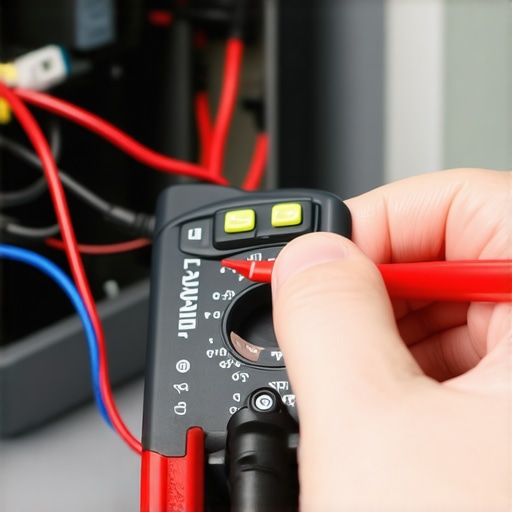
Set your multimeter to the ohms setting to check the motor’s windings. Disconnect the motor from the wiring and measure resistance across its terminals. A reading of infinite resistance indicates an open circuit, meaning the motor is burned out. A very low resistance suggests a short. Compare your readings to the motor’s specifications in the service manual or manufacturer data. For accurate testing, you might want to record a video of the error code sequence to cross-reference symptoms with diagnostics.
Simulate Motor Operation
In some cases, applying 120V directly to the motor (with proper safety measures) can help determine if it runs freely or is seized. This step is risky and should only be performed if you are confident in handling electrical components or under professional guidance. Remember, a motor that doesn’t turn on during this test is likely dead, especially if resistance tests also indicate failure.
Check the Motor’s Mechanical Condition
Beyond electrical testing, listen for unusual noises during operation or when manually rotating the shaft. A grinding sound or resistance can point to bearing failure or internal seizing. For example, I once replaced a motor that sounded fine electrically but was jammed due to debris inside the shaft housing—cleaning it out restored functionality.
Evaluate the Cost-Benefit of Repairs
If tests confirm motor failure, compare repair costs against replacing the unit. Remember, if your dishwasher is still under warranty, check the manufacturer’s policy by reading manufacturer date codes to see if repairs are covered. Sometimes, replacing the motor yourself saves money, but complex repairs might warrant professional help to avoid additional damage.
Address Common Pitfalls
Don’t forget to check for hard water buildup that can mimic motor issues. Hard water causes mineral deposits to form, leading to friction and overheating. You can evaluate water quality by reviewing the effects of hard water. Regular maintenance, including cleaning filters and spray arms, can prolong motor life and prevent false diagnoses.
Why Common Myths About Dishwasher Repairs Can Cost You More
Many homeowners believe that warranties cover all repairs or that diagnosing appliance issues is straightforward. In reality, warranties often have fine print, excluding damages caused by hard water buildup or improper maintenance. Relying solely on warranty coverage without understanding its scope can lead to unnecessary expenses. According to a study by the Consumer Reports, over 60% of homeowners wrongly assume warranty coverage extends to accidental damages, leading to costly misunderstandings. The nuance here is that warranties typically only cover manufacturer defects or specific components, not wear and tear or improper use.
The Oops Factor: Ignoring Hard Water’s Hidden Damage
One common mistake is overlooking the impact of hard water on your dishwasher’s motor and seals. Hard water deposits can cause internal components to wear out faster, mimicking signs of motor failure. Fail to address this, and you may find yourself replacing parts prematurely. Regularly checking water quality by referencing detailed guides, like understanding hard water effects, can save you a costly repair or replacement down the line. Many forget that maintenance routines, such as descaling or installing water softeners, are vital for prolonging appliance lifespan.
Deliberate Diagnostic Steps Are a Must for Advanced Troubleshooting
Beyond the basics, serious DIYers understand that proper diagnostics involve more than just visual inspections. Using tools like a multimeter to test the motor’s windings or a thermal camera to assess heating elements is essential. Skipping these steps can lead you to replace the motor unnecessarily or miss critical issues. For example, measuring wash temperatures accurately helps confirm whether heating issues stem from the element or the control board. Advanced troubleshooting minimizes guesswork and ensures repairs are both effective and cost-efficient, preventing the ‘oops’ of replacing parts that are still functional.
Are You Falling for Surface-Level Fixes?
Many homeowners fall into the trap of superficial fixes—like cleaning filters or spray arms—without diagnosing the core issue. This approach often delays proper repairs and can cause minor problems to escalate. Recognizing when symptoms are linked to motor or electronic failures requires understanding appliance diagnostics deeply. Professional technicians often use diagnostic codes, but interpreting them correctly—by recording error sequences, for example—can reveal hidden faults here’s how to do it. These nuances can turn a frustrating repair experience into a manageable DIY task or a clear call for professional help.
Building a Reliable Toolbox for Appliance Care
Maintaining your dishwasher’s health over the long term requires not only knowledge but also the right set of tools. I personally swear by a high-quality digital multimeter because it offers precise voltage and resistance readings essential for diagnosing motor and wiring issues. When I first started, I relied on generic multimeters, but I found that investing in a model with auto-ranging and temperature measurement features, like the Fluke 115, significantly improved diagnostic accuracy and saved me time. Additionally, a detailed screwdriver set with various head types allows for safe, efficient access to internal components without stripping screws or causing damage. For internal cleaning, a set of long, fine-tipped brushes helps remove hard-water mineral deposits from spray arms and filters—something I recommend doing regularly based on the hard water issues discussed in this article. Keeping these tools readily available turns troubleshooting from a daunting task into a manageable routine and extends the lifespan of your appliance.
Predicting Future Maintenance Needs
With the advent of smart diagnostics, I anticipate a future where dishwashers will employ AI to proactively alert homeowners about potential motor failures or water quality issues before they manifest. Currently, integrating sensor data with smartphone apps can give early warnings, which I frequently use to schedule maintenance during off-peak times. Investing in tools that can interface with these systems, such as Bluetooth-enabled multimeters or apps, will become standard practice, making appliance maintenance more predictive and less reactive. As these technologies evolve, staying ahead of minor issues will become easier, saving costs and preventing service disruptions.
How do I maintain my dishwasher over time?
Consistency is key. Regularly inspecting and cleaning your spray arms, filters, and water supply lines prevents clogs and mineral buildup that can strain the motor. Descaling with specialized products, or even natural solutions like vinegar (used sparingly to avoid damage, as discussed in this guide), ensures optimal water flow and reduces wear. Additionally, monitoring water hardness levels and installing a water softener if necessary minimizes mineral deposit formation—another common cause of motor stress and failure. Remember, catching issues early through methods like recording diagnostic codes (which you can learn to do by this tutorial) is invaluable. I encourage trying the 5-minute multimeter check for the heating element as a quick routine to keep everything running smoothly.
Lessons That Would Have Saved Me Weeks of Frustration
One of the most valuable insights I gained was realizing how small signs, like a slight burning smell or unusual noise during cycles, often precede a complete motor failure. Ignoring these cues only led to more costly repairs. Additionally, I learned that hard water deposits can masquerade as motor problems, which means I could have extended my dishwasher’s life with simple preventative maintenance—if only I had known earlier. Lastly, I discovered that understanding the makes and models of appliances helps in sourcing the right parts and diagnostics techniques, saving me both time and money in the long run.
My Toolbox for a Long-Lasting Dishwasher Knowledge
Over the years, I’ve curated a set of tools that make diagnosing dishwasher issues straightforward. My top pick is a high-quality multimeter, like the Fluke 115, because it provides precise resistance and voltage readings essential for motor diagnostics. I also rely on a good set of screwdrivers for internal access, along with a digital infrared thermometer to check water and wash temperatures—fields expanded by this helpful resource. Regular cleaning supplies such as brushes for spray arms and filters keep my appliances running smoothly, preventing minor issues from escalating. Having these tools at hand turns troubleshooting from an intimidating task into a manageable project, ensuring my dishwasher remains reliable for years.
Forge Your Path Toward Smarter Appliance Care
Now that you’re equipped with insights and tools, remember that routine maintenance and early diagnostics are your best allies. Pay close attention to warning signs like increased cycle times or unusual vibrations, and don’t hesitate to consult specialized resources, such as this guide on hard water effects, to protect your investment. Stay proactive—your dishwasher’s health depends on it. If you’re ready to take control of appliance repairs and understand your dishwasher better, I encourage you to keep learning, experimenting, and sharing your experiences. Together, we can demystify appliance maintenance and keep our kitchens running smoothly for years to come!