

Ever stood in front of your dishwasher, watching it fill up, only for it to suddenly stop mid-cycle with that unnerving hum or strange smell? I’ve been there — frustration building as my clean dishes sat in dirty water, and I realized my beloved machine might be giving me warning signs of an impending breakdown. That lightbulb moment hit hard: I couldn’t ignore the subtle hints anymore. If your dishwasher is acting up, you’re not alone, and the good news is, these issues often signal that the drain pump is on its last legs.
Why Your Dishwasher’s Drain Pump Might Be Giving You Clues
In my own experience, understanding the early signs of a failing drain pump saved me a costly repair. It’s easy to dismiss minor glitches — a slightly longer drying cycle or a faint clicking sound — but they’re often the first alarms to heed. Recognizing these signs can mean the difference between a quick fix and a full replacement. Today, I’ll walk you through the telltale signs to watch for, so you can catch problems early and potentially extend the life of your dishwasher by acting before an outright breakdown occurs.
Is Your Dishwasher Faulty or Just Broken?
One mistake I made early on was assuming everything was fine because the machine still powered on. It’s tempting to brush off minor issues when your dishwasher still runs, but overlooking early signs can lead to more expensive repairs down the line. To truly diagnose, you need to pay attention to the subtle cues — strange noises, unusual odors, or standing water after a cycle. For a deeper dive into diagnosing appliance issues, check out this guide.
So, if you’ve faced persistent draining problems or noticed your dishwasher is louder than usual, stay tuned. The next section will help you identify the specific signs pointing to a dying drain pump — a crucial step in deciding whether professional help is on the horizon or if you can handle it yourself.
Inspect the Drain Pump for Obvious Signs
Begin by unplugging your dishwasher to ensure safety. Remove the lower kick plate or access panel — think of it as opening a treasure chest to find the hidden enemy. Visually examine the drain pump and its surrounding area for obvious damage, clogging, or leaks. I once found a tangled piece of hair caught in the pump impeller, which was causing it to struggle and make strange noises. Clearing out debris here is the first crucial step that can resolve issues instantly.
Check the Drain Pump’s Impeller
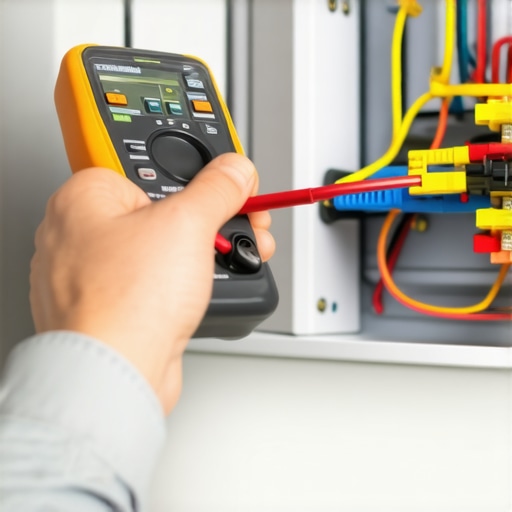
The impeller is the heart of the drain pump. Use a multimeter to test continuity; if there’s no beep, the pump’s motor might have failed. To do this, disconnect the pump from its wiring harness and set your multimeter to the ohms setting. Place the probes on the terminals; a reading close to zero indicates good continuity, while an open circuit suggests a blown motor. Be cautious — mistakes here can set you back, but with patience, you’ll identify whether the pump needs replacing or if it’s a wiring issue.
Verify the Electrical Circuit
Sometimes, the problem isn’t the pump but the circuit powering it. Use a non-contact voltage tester to confirm power supply. Think of it as a metal detector scanning for hidden treasures; if power isn’t reaching the pump, you’ll need to trace back to the door switch, timer, or control board. Remember, the control module can be the culprit, especially if other functions are failing. If you’re unsure, consult the troubleshooting guide at this link.
Perform a Functional Test of the Pump
Reinstall the pump temporarily and run a test cycle with the bottom panel still off — think of it as a dry run before the real performance. Listen for the pump’s humming sound; muted or absent sounds suggest a failed motor. Use a mechanic’s stethoscope (or a long screwdriver if you don’t have one) to listen closely. If there’s no sound, and electrical tests are clear, the pump is likely dead. This hands-on approach echoes my experience fixing mine: after replacing the pump, my dishwasher drained perfectly again.
Clear Clogs or Obstructions in the Drain Hose
Often, the issue isn’t the pump itself but the connected hoses. Disconnect the drain hose from the sink or drain pipe and inspect it for blockages or kinks. Use a flexible brush or a straightened wire (like a paperclip) to clear any debris. If water backs up during testing, it indicates a clog in the hose or the filter. Don’t forget to check the filter and sump area; debris here can mimic pump failure symptoms. For more tips, see this guide.
Determine If Professional Assistance Is Needed
If your tests point to a faulty pump, but you’re unsure about replacing it yourself, consult the repair experts. Remember, attempting repairs beyond your skill level can cause more damage; professional diagnostics can save you money and preserve warranty benefits (more here). If your dishwasher is still under warranty, verify the coverage before proceeding to avoid unnecessary expenses. When in doubt, reach out via this contact page for guidance, or consider trusting the professionals to ensure safety and efficacy.Many homeowners assume that troubleshooting their appliances is straightforward, but this misconception can lead to costly mistakes. One common myth is that all diagnostic processes are foolproof and that appliance warranties cover every repair. In reality, understanding the nuances can save you money and frustration. For example, many believe that DIY fixes automatically extend warranty coverage, but manufacturers often have strict conditions — referencing this article shows how proper diagnostics protect your warranty rights.
A frequent oversight is neglecting the detailed terms and conditions of the warranty plan, which can be surprisingly restrictive. Some warranties exclude repairs if the homeowner attempted DIY methods or used non-approved parts, leading to denied claims and unexpected expenses. It’s essential to evaluate whether your repair qualifies under your warranty before proceeding. More on this can be found at this resource.
Many assume that troubleshooting is only about fixing the appliance, but the real expertise involves recognizing the subtle signs and advancing beyond surface-level symptoms. For example, a dishwasher that appears to have a simple drainage issue might actually have an electrical circuit problem or a sensor malfunction. Jumping straight to part replacements without thorough diagnostics often results in unnecessary costs and delays. Efficient diagnostics involve more than just checking the obvious — it requires a nuanced approach. As this expert guide highlights, mastering these skills can often mean the difference between a quick fix and an expensive runaround.
A critical mistake many make involves relying too heavily on generic online advice, which often misses the specific context of your appliance model. Equipment variations mean that troubleshooting steps should be tailored to the particular brand and user history. For instance, some dishwashers contain sensors or parts unique to certain models, which standard checklist articles overlook. Therefore, leveraging manufacturer-specific resources or consulting professional diagnostics can greatly enhance your success rate. Check out this article for insights on precise diagnostic procedures.
Should you attempt to bypass warranty restrictions by self-diagnosing or repairing? Not always. While a confident DIYer might succeed in minor fixes, critical diagnostics that involve electrical components or control boards are best left to professionals. Attempting advanced repairs without adequate expertise risks voiding your warranty or causing further damage. It’s wiser to recognize when professional intervention is necessary, especially for complex issues—promptly contacting certified technicians can prevent unnecessary expenses and ensure safety. For guidance on identifying such cases, visit this resource.
In the end, the key to effective appliance repair lies in understanding nuances, avoiding common myths, and knowing when to seek expert help. Have you ever fallen into this trap? Let me know in the comments.
Investing in the Right Equipment Keeps Your Dishwasher Running Smoothly
Maintaining your dishwasher over time requires more than just occasional cleaning; it demands the right tools to diagnose, troubleshoot, and perform repairs effectively. I personally rely on a few key pieces of equipment that have saved me both time and money, and I highly recommend incorporating these into your maintenance routine.
Precision Multimeter for Accurate Diagnostics
One tool I use constantly is a high-quality digital multimeter. Not all multimeters are created equal — I prefer models with auto-ranging capabilities and a high input impedance to prevent circuit loading. This device allows me to quickly check the continuity of wiring, test the heating element, and verify the operation of sensors. It’s an investment that pays off by helping me identify electrical issues before they escalate.
Mechanic’s Stethoscope for Listening to the Pump and Motor
Listening carefully to your dishwasher can reveal a lot about its health, especially the drain pump and motor. I use a mechanic’s stethoscope to detect unusual noises or grinding sounds, which often indicate impending failure. Simply placing the probe against the pump housing or motor casing can give you the insight needed to decide whether a repair is necessary. This technique has saved me from unnecessary replacements and extended the life of my appliance.
Inspection Camera for Hard-to-See Areas
An inspection camera, such as a borescope, is invaluable for reaching into tight spaces like the sump area and behind panels. I routinely check for debris, corrosion, or buildup that could cause issues later. The ability to visually confirm the condition of internal components without dismantling the entire machine makes maintenance much simpler and more precise.
Specialized Cleaning Tools for Clog Removal
Clogs in spray arms, filters, or drain hoses can be elusive. I recommend keeping a flexible brush, a wire hanger, and a dedicated spray arm cleaning tool on hand. These allow you to clear blockages efficiently—like the simple paperclip trick for spray nozzles or the drain hose hack recommended in this guide. Regularly cleaning and inspecting these parts prevents minor issues from turning into costly repairs.
Future of Diagnostic Tools in Appliance Maintenance
Looking ahead, the trend is shifting towards smart diagnostic devices that connect with apps to provide real-time data and predictive maintenance alerts. Imagine receiving your phone notifications about the health of your dishwasher before a failure occurs—predictive analytics could revolutionize how we maintain home appliances. For now, combining these essential tools with a proactive maintenance schedule ensures your dishwasher remains reliable for years to come.
How do I keep my dishwasher working efficiently over time?
Creating a regular maintenance routine—like cleaning filters, inspecting spray arms, and checking electrical connections with a multimeter—can dramatically extend the lifespan of your dishwasher. Use specialized tools to precise diagnose issues early, and don’t hesitate to consult trusted resources or professionals when needed. For more diagnostic tips and warranty advice, visit this page. Try scheduling quarterly inspections using these tools, and you’ll notice fewer surprises and better-performing dishes.
Lessons I Never Expected to Learn About Dishwasher Diagnostics
- Don’t assume that a powered-on appliance isn’t showing signs of trouble—sometimes, the real issues lie beneath the surface, and ignoring subtle cues like strange noises or odors can cost you more in the long run.
- Investing in the right diagnostic tools, such as a quality multimeter or a mechanic’s stethoscope, transformed my repair process from guesswork to precision. These tools not only saved me money but also boosted my confidence in tackling future problems.
- Understanding that some problems mimic others—like clogged hoses versus a dead pump—requires careful testing and patience. Rushing to replace parts without proper diagnosis can lead to unnecessary expenses and downtime.
- My biggest revelation was realizing how critical it is to stay informed about warranty conditions and the importance of professional diagnostics, especially for complex electrical issues. Knowing when to call in experts saved me from voiding my warranty or causing further damage.
My Gadget Arsenal That Keeps My Dishwasher Happy
- High-quality digital multimeter — Trusted for its accuracy and ease of use, it became my go-to for electrical troubleshooting, helping me quickly identify blown motors or faulty wiring.
- Mechanic’s stethoscope — Listening to the drain pump and motor sounds uncovered hidden problems early, saving me from costly replacements.
- Inspection camera — Reaching into tight spaces allowed me to spot debris or corrosion without dismantling the entire dishwasher, making maintenance less invasive and more effective.
- Flexible cleaning brushes and tools — Clearing clogged spray nozzles and filter areas became straightforward, preventing minor obstructions from escalating into major repairs.
Keep Moving Forward—Your Dishwasher’s Second Chance Starts Now
Being proactive with diagnostics and maintenance transformed the way I care for my dishwasher. Remember, your home appliances are an investment—treat them like trusted companions that, with the right attention, will serve you reliably for years. Don’t wait for a complete breakdown; instead, embrace the diagnostic mindset and take control. For more insights on maintaining appliance health and protecting your warranty rights, check out this resource. Your dishwasher’s future—and your peace of mind—depend on it.