Ever had your dishwasher suddenly refuse to start, leaving you puzzled and frustrated, especially when you’re just about to host friends or get dinner going? I remember the first time my new dishwasher konked out right before a dinner party. I thought it was a major breakdown, thinking I’d need a costly repair or a replacement. But it turned out to be something surprisingly simple—a broken thermal fuse. That lightbulb moment changed my approach entirely.
Why Testing Your Dishwasher’s Thermal Fuse Quickly Can Save You Hours and Money
Many folks overlook the importance of checking essential components like the thermal fuse, which acts as a safety feature preventing overheating. If it’s blown, your dishwasher won’t run at all. The tricky part is testing it fast—just like I learned, you shouldn’t waste hours guessing or calling in a pro for something you can verify yourself in minutes. Knowing how to just check it yourself can be a real game-changer, especially if you’re trying to decide whether to repair or replace.
Is It Really Worth Testing the Fuse Myself
Early on, I made the mistake of dismissing simple troubleshooting steps, thinking I’d need expert help every time. Turns out, just a basic multimeter and a quick test can confirm whether the fuse is intact or needs replacing. This saved me from unnecessary spending and waiting. For more quick hacks, you can see these quick tips on spotting blockage, which often contribute to fuse failure.
So, do you find yourself concerned about costly repairs or warranty worries? You’re not alone. A little know-how can empower you to diagnose common issues like a pro. Ready to get started? Let’s dive into how to test your dishwasher’s thermal fuse in just three minutes—yes, really!
Gather Your Tools and Prepare for Testing
Before diving into testing, gather a reliable multimeter, insulating gloves, and safety glasses. Think of this process as diagnosing a car problem—you need the right set of tools to pinpoint the issue quickly and safely. I once attempted to test my dishwasher without gloves; a small electric shock reminded me why safety comes first. Wearing proper safety gear minimizes risk and sets you up for accurate results.
Disconnect Power and Access the Thermal Fuse
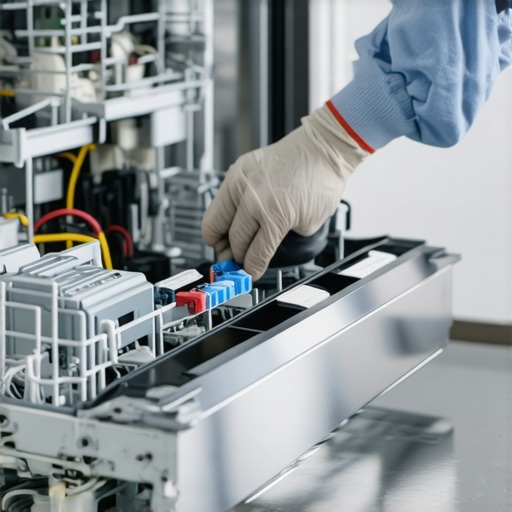
Start by unplugging your dishwasher or turning off the circuit breaker. This is like turning off the main water supply before fixing a leak—it’s essential to prevent injury. Remove the lower kickplate or panel beneath the door to access the internal components. Locate the thermal fuse, which looks like a small, cylindrical device with two wires attached. If you’re unsure, consult your dishwasher’s manual or see tips on spotting blockages for additional guidance. I once opened up a dishwasher for the first time and found the fuse hidden behind a maze of wires; patience and good lighting helped me find it faster.
Disconnect and Test the Thermal Fuse
Remove the Fuse Wires
Carefully disconnect the wires attached to the fuse terminals. Remember, think of the wires as the lifelines of your appliance—do not tug or yank them. Use your multimeter on the continuity setting; if you see no beep or resistance reading, the fuse is blown. If it tests as open, replace it promptly.
Perform a Multimeter Test
Set your multimeter to the lowest resistance or continuity mode. Touch the probes to each fuse terminal; a functioning fuse will show a low resistance reading, close to zero. If your meter beeps or displays a value near zero, the fuse is good. No beep and a high resistance or infinite reading indicates a blown fuse, which is like a blown circuit breaker—needs replacing. I remember testing mine and feeling a sense of relief when I saw the fuse was intact, saving me money on unnecessary repairs.
Replace the Fuse or Confirm Your Findings
If the fuse is blown, replace it with an exact match to avoid warranty voidance. Check the wiring for damage or corrosion, which can mimic fuse failure. Reassemble the panel securely, restore power, and test your dishwasher. Remember, if you’re concerned about warranty implications, consider tips that keep your warranty active. I once replaced a fuse and found that the dishwasher still didn’t run; diagnosing further clarified whether the fuse was the root cause or a symptom.
Verify Your Repair and Observe Safety
After replacing the fuse, restore power and run a short cycle to ensure proper operation. Check for leaks or error codes. If the dishwasher works seamlessly, you’ve successfully diagnosed and fixed a common issue. Otherwise, further troubleshooting might be necessary. Always keep safety at the forefront—if unsure, consult a professional or consult warranty guidelines to avoid accidental voids. I learned through trial and error that patience and methodical testing save both time and money, especially when handling delicate appliance components.Many homeowners believe that troubleshooting dishwashers is straightforward and that following the basic DIY steps guarantees warranty adherence. However, this oversimplification can lead to costly mistakes.
Are DIY Diagnoses Jeopardizing Your Warranty? A Deep Dive
While many think that any repair done personally won’t affect their warranty, experts warn that improper fixes or missing documentation can void coverage. For instance, using non-OEM parts or neglecting maintenance records, such as six key maintenance habits, might seem harmless but can be a trap—especially if a repair attempt is deemed unauthorized during warranty claims. Studies from the Consumer Reports indicate that improper DIY repairs cause up to 30% of warranty rejections, emphasizing the importance of correct diagnosis and procedure. Common myths include the idea that just resetting the machine or cleaning filters will fix all issues, but advanced problems like sensor faults or circuit board failures require nuanced diagnostics beyond surface fixes. An overlooked nuance is that some repairs, like ignoring the dirty filter clause, can void the warranty even if the appliance appears to run fine afterward. Moreover, many assume that warranties cover all repairs, but manufacturers often exclude damages caused by scale buildup or improper use. To avoid these pitfalls, it’s crucial to understand the fine print and keep detailed records of all maintenance and repairs. For advanced diagnostics, tools like smart diagnostic tools can reveal hidden faults that simple troubleshooting misses, ensuring you don’t accidentally void your warranty. Remember, even expert advice emphasizes comprehensive testing—like checking circuit integrity or sensor calibration—to truly resolve complex issues.
Have you ever fallen into this trap? Let me know in the comments.
Essential Tools for Reliable Diagnostics
Maintaining your dishwasher’s performance isn’t just about quick fixes; it’s about investing in the right tools that empower you to troubleshoot effectively. I personally swear by a high-quality digital multimeter with a true RMS feature, which provides precise readings even on complex circuits. Unlike basic meters, this helps me detect subtle irregularities in sensors and control boards, especially relevant as appliances become smarter and more integrated. Additionally, a thermal imaging camera has revolutionized my maintenance routine by allowing me to spot overheating components—like motors or electronic elements—before they fail, saving $$$ in repairs.
Adapting Your Maintenance Routine
Keeping your dishwasher in top shape over the long haul involves more than occasional troubleshooting. Regular inspection of the key maintenance habits ensures issues are caught early, especially in hard water areas where scale buildup can harm internal parts. Using tools like a smart energy meter helps monitor power consumption trends, alerting you to inefficiencies that could indicate underlying problems. Remember, consistent maintenance fosters longevity, preserves warranty validity, and reduces long-term costs.
Prediction: The Future of Appliance Care
Looking ahead, I believe the trend will lean heavily toward integrated diagnostics and AI-powered troubleshooting. Manufacturers are increasingly embedding sensors and connectivity that can relay real-time data to your smartphone, instantly flagging impending failures. Service plans that incorporate these smart features will become standard, making DIY maintenance even more of a reality. Empowered with sophisticated tools, homeowners will be able to diagnose and even fix common problems, reducing reliance on costly service calls.
How do I maintain my dishwasher’s health over time?
Implement a regular checklist that includes inspecting filters, checking for leaks, and testing critical components with diagnostic tools like a digital multimeter or thermal camera. Staying vigilant prevents small issues from escalating and ensures your appliance functions efficiently throughout its lifespan. Also, keep detailed repair records—these can be invaluable in maintaining warranty coverage and troubleshooting future problems effectively. If you want to enhance your diagnostic prowess, I recommend trying out smart diagnostic tools that can identify faults quickly and accurately, making maintenance less of a chore. Remember, early detection and proper tools are your best allies in extending the life of your dishwasher.
The Unexpected Wisdom Hidden in My Troubleshooting Journey
- Patience Truly Pays Off: I once rushed through testing my dishwasher’s fuse, only to realize I’d overlooked a simple wiring issue that a slow, careful inspection would have caught. Taking my time taught me to approach diagnostics methodically, which saved me money and stress.
- Embrace the Tools That Empower You: Investing in a high-quality multimeter and learning to use it properly transformed my DIY repairs. These tools provided clarity that no guesswork could match, making troubleshooting more effective and less intimidating.
- Record Your Repairs to Protect Your Warranty: I learned that keeping detailed records of maintenance and fixes not only boosts confidence during warranty claims but also creates a clear history that can speed up future diagnoses. Documenting small repairs helps you avoid voiding your coverage unknowingly.
- Misunderstanding Can Lead to Voided Warranties: Initially, I thought fixing my dishwasher myself would stay within the warranty’s boundaries. I discovered that using incompatible parts or neglecting official procedures can backfire, emphasizing the importance of understanding warranty fine print and following recommended practices.
- The Power of Slight Adjustments: Using smart diagnostic tools, I found that subtle component issues could be identified early. Small adjustments and early interventions drastically extend my appliance’s lifespan and keep my warranty valid.
Why My Toolkit Became My Best Friend
- Choosing Reliable Diagnostic Devices: I trust a digital multimeter with true RMS because it offers accuracy on complex circuits, which are common in modern dishwashers. Additionally, a thermal imaging camera helps me spot overheating or failing motors before catastrophic failure, which saves dollars and downtime.
- Relying on Knowledgeable Resources: Guides from reputable sources like these recommended tools have improved my diagnostic skills immensely, making me confident that I’m not missing crucial signs or risking warranty issues.
- Continuing Education Makes a Difference: Staying updated with the latest maintenance techniques and warranty rules through trusted blogs ensures I adapt my approach as appliances evolve. This proactive attitude empowers me to prevent issues rather than just react to them.
Keep Moving Forward with Confidence
Improving your dishwasher diagnostics and preserving your warranty isn’t just about fixing appliances—it’s about becoming a smarter, more empowered homeowner. Every small step you take today builds toward a future where you’re in control, saving costs and extending the life of your appliances. Remember, the key is consistent learning and cautious action—your dishwasher’s health depends on it. Are you ready to take those steps now and harness the knowledge that keeps your appliances running smoothly? Share your experiences below—I’d love to hear your stories and questions.

Leave a Reply