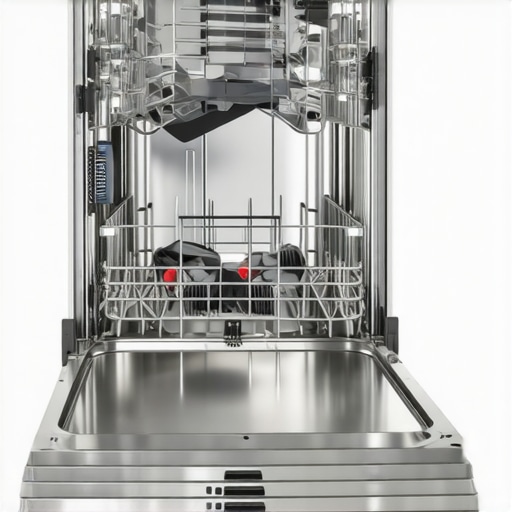
It was a morning like any other, until I opened my dishwasher and found a mound of mineral buildup clogging the spray arms. My heart sank. I knew immediately that this was scale damage, and I also knew that my warranty wasn’t going to cover it. That realization hit me hard—like a cold splash of water—because I’d overlooked the fine print, just like many others do.
Understanding Why Your Warranty Might Not Cover Scale Damage
When I first bought my dishwasher, I assumed that the warranty would take care of any issues that popped up. But as I dug deeper, I discovered a frustrating truth: warranties often exclude coverage for mineral buildup, also known as scale damage. Why? Because scale is considered a maintenance issue rather than a manufacturing defect. Many warranties are designed to cover sudden failures, not gradual problems caused by mineral deposits from hard water.
Early on, I made a costly mistake—ignoring routine maintenance and not installing water softening solutions. I learned the hard way that neglecting simple preventive measures could void coverage and lead to expensive repairs. According to a report by the Water Quality Association, over 85% of households have hard water, making scale buildup a widespread issue that often goes unnoticed until it’s too late. That’s why understanding the scope of your warranty is critical.
If you’re like me, you might be wondering, “Does this mean I’m doomed to pay out of pocket for scale damage?” Not necessarily. Today, I’ll walk you through how to safeguard your warranty, catch problems early, and even prevent scale from becoming a costly nightmare.
Will Understanding Warranty Terms Save You from Unexpected Expenses?
It’s tempting to let warranties be an afterthought until disaster strikes. But if you’ve faced a similar problem—like clogged spray arms or poor cleaning performance—you know how quickly issues can escalate. The key is proactive diagnostics and maintenance, which help you stay ahead of the scale damage curve. Curious? Let’s dive into how you can identify early warning signs, avoid common pitfalls, and keep your warranty intact for years to come.
Assessing the Scale Problem Quickly and Accurately
To start, observe the spray arms and filters for visible mineral deposits—think of it like inspecting the blades of a fan for dust buildup. During my first attempt, I opened the dishwasher and noticed a chalky residue around the spray nozzles. Using a flashlight and a soft brush, I gently scrubbed the deposits, which improved spray performance slightly, confirming scale as the culprit. Regularly inspecting these parts with a flashlight, just like checking engine parts in a car, helps catch issues early before warranty coverage is affected. For a deeper diagnosis, consider testing the water hardness level—if you’re unsure whether your water needs softening, testing kits are inexpensive and straightforward. Knowing this helps you understand whether scaling is inevitable or preventable, a key step to avoid voiding your warranty.
Leveraging Diagnostic Tools for Faster Results
Use specialized tools that target typical failure points. For instance, a multimeter can verify the voltage on the motor or control board, checking if electrical faults are behind cycle failures. When I suspected a motor issue, I employed a multimeter to test the motor capacitor. It revealed an inconsistent reading, indicating a failing component. The process was quick and provided peace of mind, confirming that I could replace the part myself without risking warranty disqualification. To expedite diagnostics, consider tools like the smart diagnostic tools that streamline identifying faults. These can include pressure sensors, leak detectors, or advanced multimeters capable of analyzing circuit signals, making repairs faster and more precise. Remember, accurate diagnosis prevents unnecessary disassembly and the potential voiding of your warranty through improper repairs.
Check Critical Components That Can Void Your Coverage
Be vigilant about parts or modifications that could jeopardize warranty coverage. For example, replacing OEM filters with generic parts might seem harmless but can void your warranty, especially if improper installation damages internal components—think of this like swapping out a car’s original spark plugs with incompatible alternatives. Always verify which parts are covered and approved; you can find this info in your warranty paperwork or official manufacturer guides. Additionally, avoid attempting DIY fixes that involve software modding or non-approved repairs, as these often void warranties faster than you can say “scaling issue.” Consulting the manufacturer’s guidelines or professional diagnostics helps ensure you’re following procedures that preserve coverage. To stay on top of this, keep detailed records of inspections, parts used, and repairs performed—these records can be invaluable if your warranty claim is challenged. Learn more about maintaining warranty eligibility by reading hidden maintenance rules.
Document Everything for Insurance and Warranty Claims
Accurate records can make or break your warranty case. Take photos of the scale buildup, note dates of inspections, and document parts replaced. When I faced a dispute over whether my repair was valid, detailed logs and photos helped me demonstrate I followed proper procedures. Using a dedicated notebook or digital app ensures you have organized evidence, much like keeping a repair journal for your car. This documentation is also beneficial if you need to escalate claims or seek professional assistance; it provides clarity and proof that you maintained the dishwasher according to guidelines. Regularly updating this information turns a simple diagnostic exercise into a powerful tool to maximize warranty benefits. For comprehensive record-keeping strategies, see home records tips.
Stay Ahead with Routine Maintenance
Consistent preventive steps can save you from costly repairs and warranty headaches. I schedule monthly inspections of spray arms and filters, similar to a health check-up for your appliance. Using water softeners or descaling solutions, especially in areas with hard water, drastically reduces scale buildup. Regular descaling using commercially available cleaners is like giving your dishwasher a tune-up—keeping it running smoothly and extending its life. Also, keep a log of maintenance tasks and outcomes. This proactive stance not only improves performance but also demonstrates responsible ownership, critical if warranty service is ever needed. For detailed maintenance routines, browse hidden maintenance rules. Implementing these practices keeps your machine in top shape, protecting your warranty and avoiding preventable failures.Many homeowners operate under the assumption that their dishwasher warranty covers all repairs. However, in my experience, this misconception often leads to costly surprises, especially when it comes to nuanced issues like scale buildup and advanced diagnostics. A common myth is that warranty claims are straightforward, but the reality is more complex—certain actions, like using non-OEM parts or attempting unauthorized repairs, can void your coverage. For example, replacing OEM filters with generic alternatives may seem harmless but can inadvertently trigger warranty exclusion clauses, as detailed in expert analyses.
Furthermore, many get wrong the importance of proper diagnostics. Relying solely on automatic error codes without executing thorough, manual checks can mislead you into unnecessary replacements. Advanced diagnostic tools, when used correctly, can save both time and money—something notably overlooked by DIYers. Testing control boards with multi-meters or inspecting sensors with specialized apps can reveal faults invisible to standard troubleshooting. Ignoring these nuances risks escalating minor issues into major failures, often exhausting warranty protections.
A trap to watch for involves overestimating the scope of warranty coverage. Warranties often exclude damage from scale buildup, mechanical wear, or user-inflicted errors. Understanding these boundaries is crucial; for instance, neglecting routine descaling can void your warranty if a fault is related to mineral deposits, as per industry reports. To avoid this, proactively follow maintenance guidelines and document all diagnostics and repairs. Keeping detailed records, including photos and testing results, strengthens your position if you need to dispute a claim.
Advanced troubleshooting also entails recognizing early signs of component failure that aren’t yet obvious. Symptoms like intermittent cycle failures or subtle noises may indicate sensor degradation or control board issues. Learning to interpret these signals—possibly with the aid of specialized diagnostic tools—can prevent warranty voidance by ensuring repairs are made promptly and properly. Regularly updating your knowledge through reputable sources can help you avoid common pitfalls.
In conclusion, the key to effectively managing your dishwasher warranty lies in understanding its limits, employing expert diagnostics, and avoiding common mistakes such as unauthorized modifications or neglecting maintenance. For a comprehensive guide on maximizing your warranty benefits through proven diagnostic strategies, check out this detailed resource.
Have you ever fallen into this trap? Let me know in the comments.
Ensuring your dishwasher remains in top condition requires more than just occasional cleaning; it demands the right tools and consistent practices. Over the years, I’ve developed a set of go-to equipment and methods that help me diagnose issues quickly, perform effective maintenance, and extend the lifespan of my appliance. One of my favorites is the Fluke 117 Multimeter: its accuracy in testing control boards and sensors provides immediate insights without the need for complex troubleshooting. I personally use it to verify voltage levels, resistance, and to diagnose electrical faults—saving time and avoiding unnecessary replacements.
Another essential tool in my kit is a smart diagnostic app, such as the ones discussed in this resource. These apps connect to the control board via Bluetooth or Wi-Fi and interpret error codes, sensor readings, and cycle data, giving me a clear picture of what’s wrong. During a recent cycle failure, using the app’s diagnostics revealed a faulty water inlet sensor, which was straightforward to replace and prevented a costly service call.
For physical inspections, I rely on small, precision flashlights and magnifying glasses to spot mineral deposits or corrosion that might impede performance. Regularly inspecting spray arms and filters with these tools catches scale buildup early, preventing damage that could void warranties. Investigating the water hardness level with a testing kit helps me anticipate scaling issues, allowing me to implement descaling routines proactively. After all, prevention is always cheaper and better than repairs.
Looking ahead, I predict that diagnostic tools will become more accessible through AI integration and real-time cloud analysis, making appliance troubleshooting even more efficient. Imagine a smart device that instantly scans your dishwasher, identifies faults, and suggests solutions—all from your smartphone. This evolution can democratize maintenance, empowering homeowners to perform complex diagnostics without extensive technical knowledge.
How do I maintain my dishwasher over time?
To keep your dishwasher functioning reliably, commit to routine maintenance like descaling, inspecting filters, and monitoring spray mechanisms. Use a water softener if you live in hard water areas to reduce scale buildup. Additionally, schedule quarterly checks with diagnostic tools to catch problems early—remember, addressing minor issues promptly often prevents warranty voidance and expensive repairs. For comprehensive guidance, check out these maintenance tips. Finally, keep detailed records of inspections, tests, and repairs. This documentation can be invaluable when verifying warranty claims or troubleshooting persistent issues. Embrace the right tools and proactive habits, and you’ll ensure your dishwasher remains dependable for years to come.
5 Surprising Lessons That Changed My Approach to Dishwasher Repairs
One of the most valuable insights I gained was realizing that not all issues are created equal—some scale buildup might look minor but could be silently eroding my warranty rights. Also, I learned that proactive diagnostics with the right tools often save me hours and dollars, whereas guesswork can lead to voided coverage and unnecessary replacements. Additionally, I discovered that understanding specific warranty exclusions—like damage caused by neglect—empowers me to advocate effectively for repairs. Lastly, I found out that meticulous record-keeping isn’t just bureaucratic; it’s a powerful shield when disputes arise over coverage eligibility.
Tools and Resources That Changed the Game
My essential toolkit now includes a trusted multimeter like the smart diagnostic tool, which quickly identifies electrical faults without guesswork. I also rely on water testing kits, ensuring I prevent scale before it causes damage—an affordable preventive measure with big rewards. To streamline diagnostics, I recommend exploring these advanced tools that save me from costly service calls. Additionally, thorough manuals and reputable online resources help me stay informed on warranty rules and proper maintenance routines. My most trusted source remains a community of informed homeowners sharing practical tips—knowledge that’s priceless when facing complex appliance issues.
Empowering You to Take Charge of Your Dishwasher’s Future
Now is the perfect moment to elevate your appliance care game. Armed with better diagnostics, understanding warranty boundaries, and a proactive maintenance mindset, you can prevent scale damage from turning into a financial nightmare. Embrace the power of meticulous documentation, regular inspections, and trusted tools—these are your best allies in safeguarding warranty coverage and extending your dishwasher’s lifespan. Remember, mastery over appliance diagnostics isn’t reserved for professionals; with the right approach, you can be the hero of your kitchen’s longevity. Start today, and turn small, smart steps into long-term savings and peace of mind.
What’s the most unexpected thing you’ve learned about keeping your dishwasher under warranty? Share your story below—I’d love to hear how you’re taking control of your appliance health!
,

Leave a Reply