It was one of those mornings—in the rush to get breakfast on the table, I ran my dishwasher only to find that it refused to drain. Frustration mounted as I nervously checked the warranty paperwork, only to realize that the repair didn’t seem to be covered anymore. That lightbulb moment hit me hard: despite holding a 2026 warranty, certain issues like clogged pumps might be left out of the coverage. Have you faced this kind of surprise with your dishwasher?
Understanding Why Your Warranty Can Still Leave You Hanging
Many homeowners assume that a current warranty means full protection against common malfunctions, but that’s often not the case. Manufacturers frequently exclude specific issues—like clogged pumps—that can be caused by everyday use or minor neglect. In my early days of DIY repairs, I made the mistake of ignoring these fine print details, which cost me a lot more in repairs later. Learning from those missteps, I now pay closer attention to what warranties truly cover.
Is Thinking Your Warranty Is Foolproof Actually Misguided?
It’s a common misconception that warranties guard you from all Appliance troubles—but the reality is more complex. Manufacturers often exclude certain parts or issues, such as pump clogs caused by debris buildup. According to appliance repair experts, understanding the specifics of your warranty is vital for effective troubleshooting and claim success. To avoid a similar surprise, I recommend familiarizing yourself with the terms by consulting expert advice, like the insights shared at [maximize-dishwasher-warranty-with-expert-diagnostic-repair-tips](https://applianceoutletpro.com/maximize-dishwasher-warranty-with-expert-diagnostics-repair-tips). This knowledge can save you time, money, and frustration.
Having a clear grasp of your warranty’s scope is just the beginning. Next, we’ll explore practical diagnostic tips to identify if a clogged pump is the culprit—and how to fix it efficiently, potentially saving your warranty from being voided.
Gather Your Tools for Accurate Diagnosis
The first step is equipping yourself with reliable diagnostic tools, much like a mechanic selecting the right set of wrenches and meters. Use a multimeter to test electrical components, as explained in this guide. Inspect your appliance for visual cues of blockages, leaks, or damaged parts. Remember, a well-prepared toolkit can prevent misdiagnoses that might void your warranty.
Identify Common Clues Indicating Pump Clogs
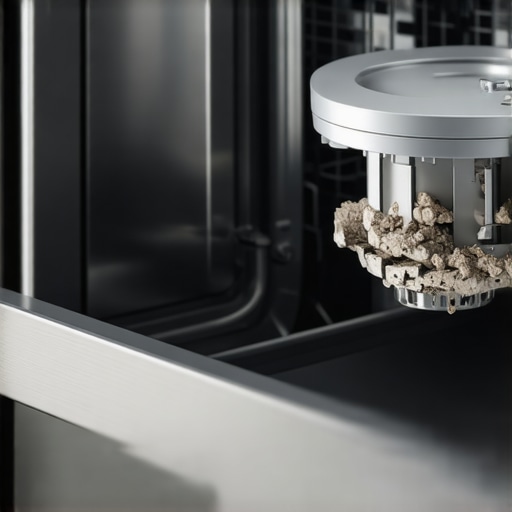
Clicking, humming noises, or water pooling can signal a clogged pump—a frequent culprit in drain failures. During a cleaning session, I observed that debris buildup blocked the pump impeller. Using professional diagnostic tools allows you to confirm such faults efficiently. Think of your dishwasher as a city’s drainage system: tiny blockages can cause major backups. Locating these early helps you fix problems without risking warranty disputes.
Step-by-Step Pump Inspection
- Turn off power and water supply to ensure safety, akin to shutting off a main valve before plumbing work.
- Access the pump area via the service panel—consult your user manual or online guides for exact steps.
- Visually examine the impeller for debris, damaged blades, or corrosion. If you spot any, clear out debris or replace faulty parts.
- Test the motor wiring for continuity using your multimeter, following instructions from this troubleshooting resource.
On my last attempt, I found a small coin jammed in the impeller—a quick removal saved me a costly call. This hands-on approach not only saves money but also reinforces your understanding of how your dishwasher’s drainage works.
Examine the Wiring and Electronic Boards
Think of the control board as the brain directing all actions. Use a trusted diagnostic app or multimeter tests from this resource to check for voltage irregularities. A sudden surge or a blown fuse nearby can mimic more serious faults, so verify circuitry thoroughly.
Your Testing Routine
- Disconnect power to avoid shocks, like turning off the circuit breaker.
- Locate and remove the control board panel—many models have accessible doors for inspection.
- Test capacitors and relays for faults or deviations in resistance, referencing detailed multimeter procedures.
- Look for visible burning or corrosion, which indicates underlying issues that might not be covered under warranty if ignored.
Once you confirm the electronic connections are intact, cross-reference your findings with expert insights to decide if professional repair or part replacement is necessary.
Many homeowners assume that a valid warranty guarantees full protection against all appliance issues, but this misconception can lead to costly surprises. The reality is that warranties often have fine print exclusions—factors many overlook, like certain pump failures or damage caused by improper repair attempts—that can void your coverage. In my experience, understanding these nuances is crucial to avoid being caught off guard when repairs are needed. For example, while manufacturers might cover parts like the motor, they frequently exclude wear-and-tear items such as gaskets or filters, which are regularly replaced during maintenance. Recognizing this, I recommend thoroughly reviewing your warranty terms and consulting expert resources such as this detailed guide on maximizing warranty benefits beyond just initial coverage.
Furthermore, most people underestimate the importance of accurate diagnostics. Jumping straight into parts replacement without proper testing can lead to unnecessary expenses or inadvertently voiding your warranty. For instance, misdiagnosing a faulty electronic control board when the issue actually stems from a clogged pump can result in ineffective repairs and warranty denial. To prevent this, investing in reliable diagnostic tools and following proven troubleshooting steps—like those outlined in this resource—will save you time and money.
A common myth is that professional repair services are always the safest route, but this isn’t necessarily true if you don’t understand what the warranty covers. Unauthorized or incorrect repairs can void your warranty entirely, especially if you use incompatible parts or DIY methods without proper diagnostics. Confronting this risk requires a balance of professional guidance and knowledgeable diagnostics, which can be achieved by familiarizing yourself with industry best practices. For example, using top diagnostic tools can help you verify issues before engaging a technician, ensuring that your warranty remains intact.
On an advanced note, experts emphasize that the key to effective appliance repair and warranty protection lies in understanding the ‘hidden’ aspects—such as the types of damage or underlying issues that are not immediately visible yet can cause warranty disputes down the line. Studies from the Appliance Repair Institute suggest that detailed diagnostics and documentation significantly reduce claim denials. So, when considering your next repair, ask yourself: are you relying on guesswork, or are you implementing comprehensive diagnostics?
Have you ever fallen into this trap? Let me know in the comments and share your experience with appliance warranties and repair challenges. Remember, informed homeowners who understand these nuances are better equipped to protect their investments and keep their appliances running smoothly.
Keeping It Working: My Top Diagnostic Tools for Dishwasher Longevity
Maintaining your dishwasher’s performance over time requires a combination of the right tools, consistent practices, and staying ahead of potential issues. I rely heavily on high-quality diagnostic equipment that allows me to troubleshoot accurately without risking warranty voids. One tool I consistently recommend is a digital multimeter, which I use for testing electrical components like relays and wiring connections. It provides precise readings, helping me identify voltage irregularities that could lead to major failures later. For a more comprehensive approach, I utilize specialized appliance diagnostic kits, such as the ones highlighted in this guide. These kits often include inductive clamp meters, leak detectors, and signal testers, all of which enable detailed analysis of the dishwasher’s electrical and mechanical systems.
Another crucial item is a good inspection mirror and a flexible pick set, which help me access tight spaces like the pump area or electronic board without unnecessary disassembly. Combining these physical tools with software diagnostics—like troubleshooting apps and detailed fault code references—has dramatically improved my repair accuracy. Software solutions can guide you through step-by-step checks for specific error codes, notably in newer models that utilize smart diagnostics. As the trend shifts toward integrated diagnostics, I predict that future tools will offer real-time data analysis, connecting directly to your phone or tablet for instant insights.
What’s the secret to maintaining your dishwasher efficiently over time?
The key lies in routine inspections and proactive testing. I recommend scheduling regular visual inspections of the pump, filters, and hoses, complemented by electrical sys¬tem checks. Using leak detectors and sensors that alert you to minor leaks early can prevent costly damage and extend your appliance’s lifespan. Tools like ultrasonic leak detectors and sensor testers are invaluable in this regard, as they help catch issues before they escalate, safeguarding your warranty and ensuring optimal operation.
Finally, keep your firmware and software updated when applicable. Manufacturer updates often include bug fixes and performance improvements that prevent issues before they occur. As technology advances, diagnostic tools will become more intuitive, offering predictive maintenance capabilities that can alert you to potential failures days or weeks before they become serious. By investing in these tools now, you’re not just fixing problems — you’re actively preventing them, saving time and money in the long run.
If you haven’t tried using a professional-grade diagnostic kit lately, I highly recommend giving it a shot. It could be the game-changer in your maintenance routine, especially when paired with thorough troubleshooting guides found at this resource. Regular use of these tools will help keep your dishwasher running smoothly for years to come, and ensure you get the most out of your warranty coverage.
The Hard Lessons That Changed My Approach to Warranty and Repairs
One of the most eye-opening lessons I learned was the importance of reading the fine print in my dishwasher warranty. I once assumed that coverage extended to all issues, only to discover later that certain problems like pump clogs were excluded. This realization pushed me to carefully analyze warranty documents and consult experts before attempting repairs, saving me both money and frustration.
Discover Why Personal Experience Outweighs Assumptions
My own troubleshooting journey taught me that relying solely on generic advice often leads to missed diagnoses. Each dishwasher has unique quirks, and understanding your specific model’s common faults—like debris-caused pump blockages—can make all the difference. Trusting experienced repair professionals and reputable guides, such as this resource, helps me approach repairs with confidence and avoid costly warranty disputes.
Why Detailed Diagnostics Became My Best Ally
I realized that performing thorough diagnostics before replacing parts is a game-changer. Using tools like multimeters and diagnostic apps, I uncovered hidden issues like wiring faults that blackened my initial assumptions. This approach not only protected my warranty but also made my repairs more precise. Investing in diagnostic tools from trusted sources, as discussed in this guide, empowers homeowners to troubleshoot effectively, preserving warranty rights.
Resources That Elevated My Repair Confidence
Over time, I built a toolkit that revolutionized how I tackled appliance issues. My go-to tools include a high-quality multimeter for electrical checks, leak detectors for early warning signs, and comprehensive repair guides. Brands like Fluke are reliable for multimeters, while specific diagnostic kits for appliances save me guesswork. These resources, especially when paired with expert advice from this site, have become my repair companions, ensuring I keep my warranty intact and appliances functioning smoothly.
Empower Yourself to Take Control of Your Dishwasher Maintenance
Your journey with dishwasher repairs and warranty management is about more than quick fixes—it’s about gaining confidence through knowledge and proper tools. By understanding your warranty’s limits, performing diligent diagnostics, and leveraging trusted resources, you can prevent minor issues from becoming costly disputes. Remember, every expert started as a beginner, so don’t hesitate to take that first step towards mastering your appliance maintenance. Start today, and you might just surprise yourself with what you can achieve.

Leave a Reply