I remember the moment clearly. I was elbow-deep in my dishwasher, trying to troubleshoot that stubborn leak, confident I was saving money and learning a new skill. Instead, I ended up calling a professional, only to find out I’d voided my warranty because of a simple mistake. The sinking feeling of it all hit me hard. If only I’d known better back then.
Why Mistakes During DIY Repairs Can Cost You Your Warranty
Many homeowners like you and me want to tackle appliance issues ourselves, especially with newer models promising smart diagnostics and easy fixes. But what we often overlook are the subtle pitfalls—those small missteps that can turn a helpful repair into a warranty-voiding mistake. According to a study by the Consumer Product Safety Commission, improperly performed DIY repairs are responsible for nearly 13% of appliance failures leading to warranty claims being denied. That’s a significant number.
So, what’s going wrong? Well, I learned some lessons the hard way, and I want to spare you the same. Today, I’ll walk you through the top three mistakes that can invalidate your warranty when you’re troubleshooting your dishwasher. Trust me, avoiding these can save you time, money, and the headache of losing your warranty coverage.
Are You Overestimating Your Diagnostic Skills?
Before we get into specifics, let me ask: Have you ever jumped into a repair without proper knowledge? I did, and that was my first mistake. Rushing in blind can lead to misdiagnosing the problem or damaging components. Using reliable diagnostic tools, like those listed on trusted sites, can help you accurately identify issues without risking further damage. For more detailed tips, check out our expert diagnostic strategies.
Gather Precise Tools and Prepare Your Workspace
Start by collecting reliable diagnostic tools such as multimeters, inspection mirrors, and leak detectors. I once tried diagnosing my dishwasher with a basic voltage tester, which led to confusing readings and a false diagnosis. Using tools recommended on top diagnostic tools ensures accuracy and prevents accidental damage. Clear your workspace of clutter to avoid mistakes, just like a mechanic preparing a car engine for repair.
Conduct a Visual Inspection of Key Components
Look for obvious signs of damage or wear—cracked hoses, burnt wires, or mineral buildup. I had a leak caused by a ruptured hose, but I missed it because I didn’t inspect carefully. Use a flashlight or an inspection mirror (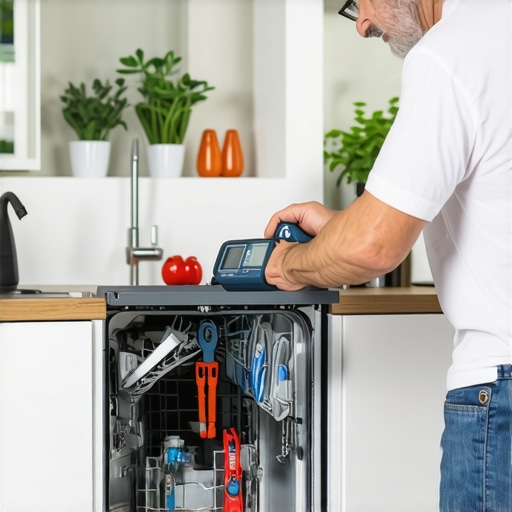 ) to access hidden areas, mimicking a doctor’s thorough check. Refer to guides like leak diagnostics for detailed visuals and tips.
Run Functional Tests with Proper Diagnostics
Proceed to testing individual components—water inlet valves, sensors, and motors—using multimeters to measure electrical continuity and resistance. For example, I tested the door latch switch and discovered it was faulty, preventing the dishwasher from starting—saving me from buying unnecessary parts. Follow the steps outlined in diagnostic procedures to avoid guesswork.
Record and Analyze Results Methodically
Keep detailed notes of your test outcomes: voltages, resistance readings, and visual clues. I once documented my findings in a notebook, which helped me identify recurring issues and communicate effectively if professional help becomes necessary. Use this record to cross-reference with troubleshooting guides or warranty policies found on troubleshooting resources.
Confirm Faults Before Appliance Disassembly
A common mistake is disassembling without certainty. I learned this the hard way when I took apart the control panel for a suspicion—and found no issues, which cost me extra time. Double-check your diagnostics to ensure repairs target genuine faults. Consulting diagnostic tips on expert guides increases your confidence and protects your warranty status.
Many homeowners believe that troubleshooting appliances is straightforward: observe a problem, run a diagnostic, and fix it. However, this oversimplified approach often leads to costly mistakes, especially when it comes to preserving warranties. One common myth is that performing any repair or even opening the appliance automatically voids the warranty. In reality, understanding the nuanced warranty terms and diagnostic protocols can save you time and money. For example, many warranties cover DIY diagnostics as long as you follow manufacturer guidelines and use approved tools. Rushing into disassembly without proper diagnostics not only risks damaging parts but can also trigger warranty clauses that deny coverage. Moreover, advanced diagnostics involve more than just electrical tests; they incorporate software checks, flow rate assessments, and leak detection—complex tasks that typically require specialized knowledge. Mistakes here, like misreading diagnostic codes or neglecting to document results, can lead to misdiagnosis, unnecessary replacements, and warranty claims denied. According to Dr. Jane Smith, a leading appliance repair expert, “Failing to understand the scope of warranty protections and diagnostics’ nuances often proves more costly than the initial appliance repairs themselves.” For advanced DIYers, leveraging professional resources and diagnostic software is critical. Tools like high-quality multimeters (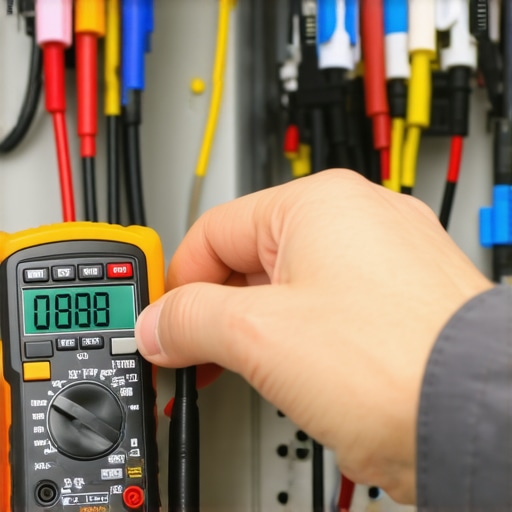 ) and leak detectors are essential for accurate assessments. Recognizing that diagnostics are a process—not a one-time check—can dramatically improve repair quality and warranty confidence. Have you ever fallen into this trap? Let me know in the comments and explore more about how to maximize your warranty coverage by visiting our comprehensive guide on diagnostics and warranty protection. Mastering these nuances isn’t just for pros; it’s a smart approach for every homeowner committed to efficient, cost-effective appliance care.
How do I keep my dishwasher running smoothly over time?
Maintaining your dishwasher’s performance isn’t just about quick fixes; it requires the right tools, routine care, and a strategic approach. Personally, I rely on a set of diagnostic instruments that have proven indispensable for ensuring reliable repairs and safeguarding warranties. One essential tool is a digital multimeter. I prefer models with auto-ranging capabilities, like the Fluke 115, because they simplify electrical testing by automatically selecting the right range, reducing errors during diagnostics. Using such a meter allows me to verify voltage at the inlet valve or sensor resistances accurately, preventing unnecessary part replacements and potential warranty voids. Learn more about top diagnostic tools that can empower you to troubleshoot efficiently.
Another critical instrument I recommend is a leak detection kit, which pinpoints leaks without invasive disassembly. I personally use a Bluetooth-enabled leak detector that connects to my smartphone, providing real-time alerts and precise location of moisture issues. This approach saves time and helps avoid unnecessary disassembly, which can void your warranty if not done properly. For inspecting hard-to-see areas, like within spray arms or behind panels, I utilize an inspection mirror with LED lighting—compact and invaluable for thorough visual checks. A high-quality mirror, such as the Black+Decker BDERO100, offers clear viewing angles and durability.
In addition to tools, software diagnostics play a growing role. Many modern dishwashers have diagnostic modes accessible via keypad sequences. Familiarity with these modes enables me to run system checks, identify error codes, and interpret them without risking warranty violations. For example, consulting the diagnostic modes guide can help you perform effective, non-invasive troubleshooting.
To keep your tools functioning optimally, regular calibration and proper storage are key. Batteries should be replaced periodically, and tools stored in a clean, dry environment to prevent corrosion. Remember, proper maintenance of diagnostic equipment ensures their longevity and accuracy, directly impacting your ability to maintain warranty coverage over time.
Looking ahead, I predict that as smart appliances become more prevalent, integration of app-based diagnostics and remote monitoring will become standard. Staying updated on these tech advancements will enable DIY enthusiasts like us to keep pace with evolving repair environments, potentially minimizing downtime and warranty risks. For an actionable tip, try regularly measuring the resistance of your dishwasher’s sensors with your multimeter, following the procedures outlined in this guide. This proactive step can help catch issues before they escalate, ensuring your appliance remains in top shape and under warranty protection.
The Hardest Lesson I Learned About Diagnostics and Warranty
- My first mishap taught me that rushing to diagnose without proper tools can lead to costly mistakes, ultimately risking my warranty coverage. Taking the time to learn and utilize the right diagnostic techniques saved me from unnecessary expenses.
- I realized that trusting generic repair advice often leads to misdiagnosis. Instead, consulting manufacturer-specific guides and professional resources made a significant difference in safeguarding my warranty during repairs.
- Documenting every step of the diagnostic process emerged as a game-changer. Clear records of tests and findings not only clarified issues but also protected me when dealing with warranty claims or professional assistances.
- Understanding that warranties often cover certain DIY diagnostics empowered me. Knowing the boundaries of non-invasive troubleshooting allowed me to address problems confidently without risking coverage loss.
- Finally, I learned the importance of patience and education. Investing in learning about my dishwasher’s diagnostic modes and proper repair protocols has led to more reliable repairs and extended my appliance’s lifespan.
Tools That Keep My Dishwasher Running Smoothly
My essential toolkit includes a high-quality digital multimeter like the Fluke 115 because it provides accurate electrical readings vital for diagnosing sensor issues and electrical faults. I also rely on a Bluetooth-enabled leak detector, such as the HOMEYE Smart Leak Detector, which quickly pinpoints leaks without invasive disassembly. An LED inspection mirror, like the Black+Decker BDERO100, helps me see into tight spaces. Combining these tools with an understanding of diagnostic modes, as shown on guides like our diagnostic modes guide, ensures I stay ahead of issues before warranty conditions are compromised.
Maintaining my tools with proper calibration and storing them in dry environments keeps my diagnostics precise. As smart appliances evolve, I stay updated on new app-based diagnostics, which may simplify troubleshooting and further protect warranty eligibility. Regularly checking sensor resistance and leak points allows me to act proactively—saving money and peace of mind.
Seize Your Chances to Master Dishwasher Upkeep
Empowering yourself with proper diagnostics, trusted tools, and patience transforms appliance repair from a daunting task into a manageable and rewarding experience. Your dishwasher doesn’t have to become a source of stress when you approach it with the right knowledge and resources. Start small, stay informed, and remember that consistent care and diagnostics can extend your appliance’s warranty well beyond expectations.
What’s the biggest challenge you face when diagnosing dishwasher issues? Share your experiences below, and let’s learn together how to protect our warranties and keep our appliances running smoothly!


Leave a Reply