
I’ll never forget the sinking feeling when my dishwasher suddenly stopped mid-cycle, leaving a sink full of dirty dishes. As much as I wanted to blame it on a faulty machine, I realized I didn’t have a clear understanding of what was really going wrong. That lightbulb moment made me appreciate the importance of proper diagnostics and troubleshooting, especially for maximizing warranty benefits. If you’ve ever faced a similar situation, you’re not alone.
Why Proper Troubleshooting Matters More Than You Think
When my dishwasher hiccups, it can feel like a real hassle. Instead of immediately calling for repairs, I learned that a bit of knowledge can go a long way. Proper troubleshooting not only saves you time and money but also ensures that warranty coverage is effectively used. Many folks overlook the power of diagnostics, risking unsuccessful repairs or even voiding their warranty. According to consumer reports, accurate diagnostics are key to faster repairs and better warranty utilization. Expert tips emphasize how essential a thorough diagnostic approach is to avoid common pitfalls.
Is Relying on DIY Fixes Actually Foolproof?
I used to think I could handle minor issues without help, but I quickly made the mistake of skipping proper diagnostics, which often led to chasing the wrong problem. That expensive lesson taught me that professional guidance and proper tools are worth their weight in gold. If you’re concerned about making mistakes that could impact your warranty, you’re not alone. The good news is, with the right knowledge and approach, you can confidently troubleshoot and even perform some repairs yourself, boosting your warranty claims. To learn more about what tools can streamline this process, check out top diagnostic tools.
This sets the stage for a straightforward path to mastering your dishwasher’s issues, so you can repair smarter, faster, and with confidence. Ready to dive into the practical steps? Let’s get started.
Identify the Symptom and Gather Clues
Start by observing exactly what the dishwasher is doing or not doing. Is it not draining, leaking, or failing to fill? Think of it like a detective collecting evidence before making an accusation. During a personal experience, I once noticed my dishwasher filled with water but wouldn’t spray. I documented the symptom and checked for obvious issues like clogs or leaks. This initial step narrows down potential causes and prevents unnecessary part replacement.
Consult the Manual and Create a Diagnostic Map
Find your appliance’s manual or online guides to understand normal versus abnormal operation. Create a flowchart of potential issues linked to symptoms. For example, if the dishwasher isn’t draining, focus on the filter, pump, or drain hose. This systematic approach ensures you consider all relevant components rather than guessing blindly. It’s like drawing a roadmap; following it keeps you on the right path and eases troubleshooting stress.
Perform Visual and Functional Checks
Inspect accessible parts for damage, blockages, or obstructions. Use a flashlight to check the filter, spray arms, and door seals. Turn on the dishwasher and listen for abnormal noises or vibrations. In my case, I found a clogged filter that prevented drainage. Cleaning or replacing blocked parts is often quick and saves money, while ignoring these signs can lead to more extensive repairs or warranty issues.
Utilize Diagnostic Tools for Precise Fault Detection
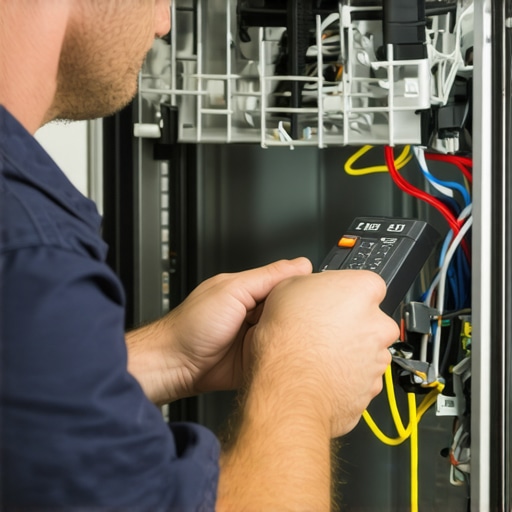
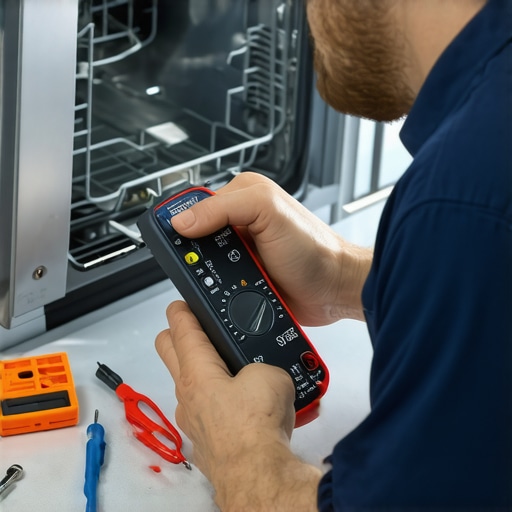
Invest in or borrow diagnostic tools like multimeters or appliance-specific testers. These tools help measure electrical continuity and component function more accurately. For example, testing the door latch switch ensures it signals the machine to operate correctly. Using diagnostic tools is like having a medical check-up; it reveals hidden issues that visual checks might miss, leading to faster and more confident repairs. Check out expert diagnostic tools to enhance your troubleshooting arsenal.
Test Components Systematically and Document Findings
Once suspected parts are identified, test each systematically. For electronics, verify voltage supply; for mechanical parts, check for wear or damage. Keep detailed notes on each step and result. This documentation is invaluable when filing warranty claims, as it demonstrates thorough diagnostics and clear fault identification, reducing delays or disputes with service providers.
Correlate Results with Warranty Coverage
Compare your diagnostic findings with warranty terms and exclusions. Confirm that the identified issue is covered and that proper troubleshooting was followed. This approach prevents accidental voiding of warranty due to unverified repairs or unauthorized part replacements. View warranty best practices to align your troubleshooting steps with coverage requirements.
Many DIY enthusiasts and even professionals often operate under misconceptions about dishwashers, repair methods, and warranty conditions. One common myth is that **all diagnostics require expensive tools** or extensive technical expertise. In reality, understanding the nuances and employing targeted diagnostic techniques can dramatically improve repair efficiency and warranty outcomes. For example, relying solely on guesswork or superficial inspections may lead to unnecessary part replacements and warranty voids. Sharpening your diagnostic skills—like learning to interpret error codes correctly or conducting systematic component testing—can save you money and time, while safeguarding your warranty coverage. According to industry experts, mastering advanced diagnostic methods not only enhances repair success rates but also reinforces your credibility during warranty claims, making the process smoother and more reliable. For instance, using appliance-specific multimeters and following proven troubleshooting workflows ensures you address the root cause rather than just symptoms, which is often misunderstood by many DIYers. Remember, **the difference between a successful repair and a warranty dispute often hinges on your diagnostic approach**. Avoid common pitfalls such as replacing parts based on assumptions or neglecting to document your troubleshooting process, as this can undermine your warranty claims. For those who want to elevate their repair game, exploring detailed guides on diagnostics and warranty procedures can make a significant impact. Check out resources like top diagnostic tips or maximizing warranty with proper diagnostics. Remember, **an informed approach is your best defense against costly mistakes and warranty issues**. Have you ever fallen into this trap? Let me know in the comments.
Choosing Reliable Diagnostic Equipment for Long-Term Care
Investing in precise diagnostic tools is essential for keeping your dishwasher running smoothly over the years. I personally rely on a high-quality multimeter, specifically the Fluke 117, because of its accuracy and durability. It allows me to test electrical components like thermostats and wiring connections efficiently, ensuring that potential issues are caught early before they escalate. Additionally, using specialty tools such as a dedicated actuator tester helps confirm whether mechanical parts like door latches and spray arms are functioning correctly. For those who want to elevate their troubleshooting, exploring expert-grade diagnostic tools like the Grey Wolf Digital Multimeter can make a significant difference, especially since it offers specialized features for appliance diagnostics. Regularly updating your toolkit with these proven instruments ensures that minor hiccups don’t become major, costly repairs and helps you preserve warranty coverage over time.
Routine Maintenance That Extends Appliance Lifespan
Long-term performance hinges on consistent maintenance practices. Simple tasks like regularly cleaning the filter, inspecting spray arms for clogs, and checking door seals can prevent common issues from developing into costly repairs. I set a monthly reminder to remove, clean, and reassemble the filter, which keeps drainage running smoothly and maintains optimal cleaning results. Additionally, examining the drain hose for kinks or blockages is vital, as obstructions can cause water pooling or drainage failures—issues that could threaten warranty if left unaddressed. Paying close attention to these details means fewer breakdowns, fewer warranty disputes, and a more efficient appliance. As noted by industry experts, routine preventative care significantly reduces the likelihood of surprise failures, saving both time and money.
Preparing Your System for Future Repairs
Anticipating issues before they occur involves documenting your troubleshooting steps and maintaining a record of diagnostic findings. I keep a troubleshooting journal, noting any error codes, component tests, and repairs performed, which has proven invaluable when discussing issues with service technicians or submitting warranty claims. This documentation demonstrates thorough diagnostics and can expedite resolutions, especially if parts need replacement under warranty. Moreover, staying informed about warranty conditions and coverage changes ensures you’re always prepared, avoiding unintentional voids. For example, I regularly review my appliance warranty policy, using resources like top diagnostics tips to align my maintenance practices accordingly. When properly documented and executed, proactive maintenance sets a foundation for reliable performance and peace of mind.
Scaling Your Maintenance Efforts
If you manage multiple appliances, consider investing in a centralized diagnostics app or system that tracks each machine’s service history and schedules maintenance tasks automatically. Software like Appliance Commander offers comprehensive oversight, ensuring no component is overlooked during routine checks. Additionally, developing a network of trusted repair professionals who understand your maintenance approach can lead to faster, more confident fixes—especially critical when juggling warranties across several devices. As the industry progresses, these digital and professional integrations will become increasingly valuable, streamlining maintenance and safeguarding your warranty investments. Staying ahead with these strategies will allow you to handle larger or more complex appliance setups without sacrificing efficiency or warranty eligibility. Ability to adapt and scale your maintenance practices is where future-proofing your appliances really pays off.
To get started, I recommend trying out the advanced diagnostic techniques with your current multimeter, like verifying correct voltages at control boards. According to expert sources, such as expert diagnostic tools, mastering these methods can substantially improve your troubleshooting accuracy. Remember, a proactive approach today ensures your dishwasher stays reliable tomorrow—so don’t hesitate to put these tips into practice and keep your appliance in top shape for years to come.
Three Surprising Truths I Wish I Knew About Diagnostics and Warranties
- Not all faults are obvious at first glance. I learned that a thorough diagnostic process often reveals issues that aren’t visible without proper tools or methods, preventing unnecessary part replacements and safeguarding my warranty.
- Documenting every step pays off. Keeping detailed records of tests and findings made my warranty claims smoother, providing proof of due diligence that service technicians and warranty providers appreciate.
- Investing in quality tools is a game-changer. Using reliable diagnostic equipment like a well-calibrated multimeter has empowered me to identify problems quickly, saving time and avoiding costly repairs or warranty disputes.
Tools and Resources That Changed My Repair Approach
Whenever I want to troubleshoot effectively, I turn to trusted resources and tools that boost my confidence. My go-to diagnostic tools include the expert diagnostic tools, which help me accurately pinpoint issues. The ultimate guide to troubleshooting provides step-by-step instructions that save me guesswork. Reading industry blogs and participating in forums also keep me informed about best practices, ensuring my repairs are both reliable and warranty-friendly. These resources have become essential parts of my maintenance routine, making essential diagnostics accessible and straightforward.
Take Charge and Protect Your Appliance Future
Embracing smart troubleshooting isn’t just about fixing your dishwasher—it’s about empowering yourself to handle challenges confidently. Whether you’re new to appliance repair or experienced, applying these insights can extend your dishwasher’s lifespan and maximum warranty benefits. Remember, a little knowledge coupled with the right tools can turn stressful repairs into manageable tasks. So, why not start experimenting with diagnostic techniques today? Your future self will thank you for making smarter, more informed decisions about appliance care.
Have you ever hesitated to troubleshoot due to lack of tools or confidence? Share your experiences below and let’s learn from each other!

Leave a Reply