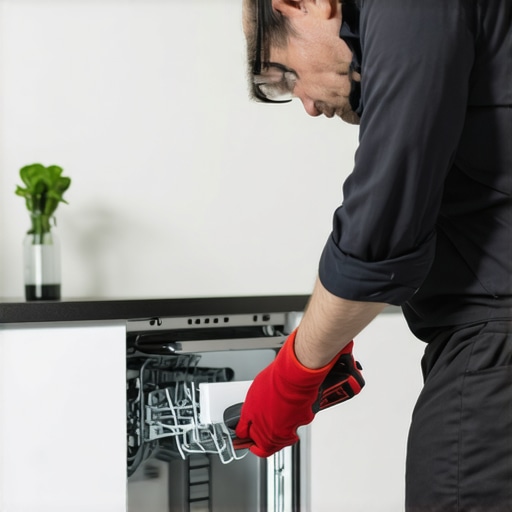
Ever had that sinking feeling when your dishwasher suddenly stops mid-cycle, leaving you wondering if it’s worth calling in a pro or trying to fix it yourself? I’ve been there—faced with a stubborn dishwasher that refused to cooperate, I realized that my biggest mistake was jumping in without proper diagnostics. It’s like trying to fix a car engine blindfolded; you might make things worse or miss the real issue altogether.
Why Getting Diagnostics Right Is a Game-Changer
When I first started tinkering with appliance repairs, I thought I could eyeball the problem and fix it on the fly. Spoiler alert: that rarely works. A proper diagnostic process can save you time, money, and frustration—plus, it helps you maximize your warranty coverage. If you want your repairs to last and your warranty to stay intact, knowing exactly what’s wrong is essential. For expert guidance, check out this comprehensive diagnostic guide.
Is Relying on Diagnostics Really Worth It?
Early on, I made the mistake of assuming I could identify issues based on vague symptoms. That’s dangerous. Without proper diagnostics, you risk replacing parts unnecessarily or missing the root cause. Diagnostic tools and strategies aren’t just for pros—they’re your best friends in this game. Plus, they help you understand your warranty rights better. Did you know that many warranties require documented diagnostics before approving repairs? Skipping this step could void your coverage.
In the next sections, I’ll share proven tips, tools, and strategies to help you diagnose your dishwasher like a pro—and get reliable repairs that maximize your warranty benefits. Ready to become a diagnostics ninja? Let’s dive in.
}
Start with Visual and Symptom Checks
Before diving into complex diagnostics, perform a quick visual inspection. Look for obvious issues like leaks, loose wiring, or debris blocking the spray arms. Also, note the symptoms—does it not fill, not drain, or stop mid-cycle? These clues narrow down your diagnostic path. I remember troubleshooting my dishwasher where it suddenly stopped mid-cycle; a quick check revealed a clogged filter, saving me a costly repair.
Gather the Right Diagnostic Tools
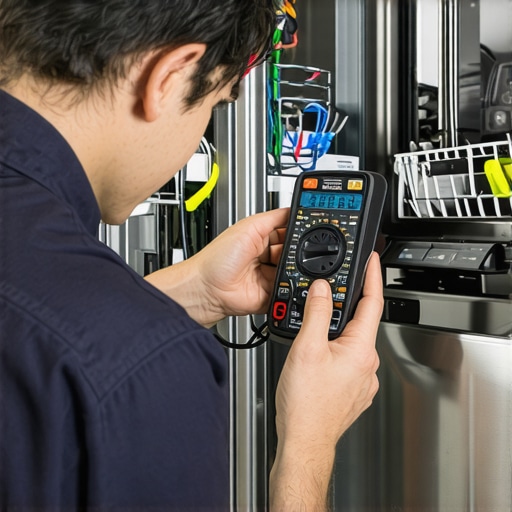
Invest in essential diagnostic tools such as multimeters, test connectors, and diagnostic codes readers. These tools are your best friends for pinpointing electrical faults or mechanical failures. For example, using a multimeter to test the door latch circuit helped me identify a faulty switch, preventing unnecessary part replacements. Check out top diagnostic tools to get started.
Perform Electrical Tests Methodically
Start by disconnecting power and verifying the power supply voltage. Use your multimeter to check for continuity across fuses, relays, and switches. Think of this process like testing the wiring in your car—systematic and thorough. When I tested my dishwasher’s door switch, I found it had lost continuity, which explained the cycle halt. Document your findings to support warranty claims and future troubleshooting.
Test the Control Board
Check the control board for visible burn marks, corrosion, or damaged components. Use your multimeter to test outputs according to the manufacturer’s wiring diagram. If you find damaged components, replacing the control board can restore functionality. Remember, some control boards have diagnostic LEDs or error codes—refer to control board diagnostics for detailed testing procedures.
Mechanical and Water Flow Diagnostics
Inspect water inlet valves, filters, and drain pumps for clogs or damage. Use a flashlight and a flexible brush to clear debris. Water flow issues often mimic electrical faults but require different fixes. I once cleared a blocked drain hose, which immediately fixed drainage problems. For detailed steps, see water flow diagnostics.
Leverage Error Codes and Manufacturer Resources
Modern dishwashers display error codes—use your model’s manual or online resources to interpret them. Error codes quickly point to specific components, making diagnostics faster. I once saw an error code indicating a heating element failure; testing confirmed this, and I replaced the part, saving a service call. Consult diagnostic tips for more insights.
Document and Use Your Findings for Warranty Claims
Keep detailed notes and take photos of issues and tests. Proper documentation can be critical when submitting warranty claims or warranty repairs. When I documented my control board failure, the warranty process went smoothly, and parts were covered. This proactive approach ensures you maximize your warranty benefits and avoid unnecessary out-of-pocket expenses.
When it comes to diagnosing dishwasher issues, many DIY enthusiasts focus heavily on electrical components and visible damages. However, a common misconception is that if the electrical tests pass, the problem is likely mechanical or water flow-related. In reality, this approach can lead you astray, especially when dealing with complex modern dishwashers that integrate smart diagnostics and firmware checks.
Many users overlook the importance of understanding how control boards communicate with sensors and mechanical parts. For example, a control board might show no error codes or have no visible burn marks, yet the firmware might be malfunctioning or misreading sensor data. This can cause a cycle to halt unexpectedly, leading to misdiagnoses and unnecessary part replacements.
One of the most insidious myths is that troubleshooting electrical faults alone will always lead to the root cause. According to appliance expert this diagnostic guide, advanced diagnostics require a combination of electrical testing, firmware checks, and mechanical inspections. Relying solely on multimeter readings without considering firmware diagnostics can leave you with a partial fix that doesn’t solve the underlying issue.
Why Firmware and Software Diagnostics Matter More Than You Think
Modern dishwashers often contain embedded firmware that controls cycle logic, sensor calibration, and error reporting. If firmware becomes corrupted or misreads sensor data, the dishwasher may not display error codes but still malfunction. This nuance is often missed by DIYers who focus on hardware replacements, leading to wasted time and warranty voids.
Research by appliance technician this study emphasizes the importance of firmware diagnostics, especially for high-end models. Firmware issues can be diagnosed using manufacturer-specific diagnostic tools or firmware reprogramming, which are typically overlooked in basic troubleshooting routines.
Have you ever fallen into this trap? Let me know in the comments. Remember, effective diagnostics are about the right tools and the right approach—combining electrical tests with firmware checks and mechanical inspections ensures you don’t miss the real culprit and helps preserve your warranty coverage.
Maintaining your dishwasher’s performance over time requires more than just occasional cleaning. Investing in the right diagnostic tools and adopting a consistent maintenance routine can significantly extend the lifespan of your appliance and ensure it operates reliably, especially when you want to maximize warranty benefits. In this section, I’ll share the tools I personally rely on and the best practices for keeping your dishwasher in top shape.
Choosing the Right Diagnostic Equipment
One of my go-to tools is a high-quality digital multimeter. I use it not just for electrical testing but for precise voltage and continuity measurements on components like door switches and control boards. For example, I regularly check the control board outputs with my multimeter, which helps me quickly identify whether the issue lies in the electronics or elsewhere. I recommend the PowerMax Digital Multimeter because of its accuracy and durability, making it ideal for frequent diagnostics.
Additionally, a reliable diagnostic code reader tailored to appliance electronics can save you hours of guesswork. I prefer models that support multiple brands and can interpret error codes directly, saving me time and helping me document issues effectively. For instance, when my dishwasher displayed an obscure error, the code reader provided instant clarity, allowing me to target the repair efficiently.
Implementing Effective Maintenance Routines
Regular cleaning is vital—clean the spray arms, filters, and water inlet valves monthly to prevent clogs that can cause performance issues. I set a reminder to check these components, which has saved me from costly repairs down the line. Using a vinegar rinse every few months helps dissolve mineral deposits and keeps the water flow optimal.
Inspect electrical connections periodically, especially after heavy use or if you notice erratic behavior. Tightening loose wiring and replacing worn connectors can prevent small issues from escalating. For electronics, I recheck control board connections with my multimeter during routine maintenance, ensuring that no corrosion or loose contacts develop over time.
Looking ahead, I predict that diagnostic tools will become increasingly integrated with smart diagnostics embedded in appliances, offering remote troubleshooting and predictive maintenance alerts. As these technologies evolve, staying updated with firmware diagnostics and software tools will be essential for proactive maintenance.
How do I maintain my dishwasher over time
Adopting a proactive maintenance routine and utilizing the best diagnostic tools can save you money and extend the life of your dishwasher. Start by investing in a quality multimeter and a diagnostic code reader, then schedule monthly inspections and cleanings. This approach not only reduces unexpected breakdowns but also helps you build a comprehensive maintenance history—perfect for warranty claims and future troubleshooting. For detailed strategies, check out these proven repair strategies. Don’t forget: regularly documenting your inspections and tests can make warranty processes smoother and more successful. Try setting a maintenance checklist today and see how your dishwasher stays reliable for years to come!
The Hardest Lesson I Learned About Dishwasher Diagnostics
One of the most valuable lessons I’ve learned is that rushing into repairs without thorough diagnostics can cost you more in the long run. I once replaced a control board blindly, only to find out later that the real issue was a clogged water inlet. Taking the time to methodically diagnose saved me from unnecessary expenses and kept my warranty intact.
3 Myths About Dishwasher Troubleshooting That Held Me Back
For years, I believed that electrical tests alone could identify all problems. It turns out that modern dishwashers incorporate firmware and sensor data that electrical tests can’t detect. Debunking this myth helped me understand the importance of a comprehensive approach that includes firmware diagnostics and mechanical checks.
What Experts Won’t Tell You About Maximizing Your Dishwasher Warranty
Most people overlook the critical role of documentation when dealing with warranty claims. Keeping detailed records of diagnostics, tests, and repairs can make the difference between a smooth warranty process and unnecessary out-of-pocket costs. Learning this tip from seasoned professionals transformed how I handle repairs and warranty issues.
Curated Tools That Changed My Approach to Diagnostics
Investing in a quality multimeter and a reliable diagnostic code reader has been a game-changer. These tools provide precise electrical measurements and quick error code interpretation, which streamline troubleshooting. I trust brands like PowerMax because of their durability and accuracy, ensuring I catch issues early and accurately.
Take Action Today and Keep Your Dishwasher Running Smoothly
Don’t wait for small issues to become costly repairs. Regular diagnostics using the right tools and a systematic approach can extend your dishwasher’s lifespan and protect your warranty. Start building a maintenance routine that includes visual inspections, electrical tests, and firmware checks. Your future self will thank you for it! Want to share your troubleshooting experiences? Let me know below.


Leave a Reply