It was a morning like any other when I opened my kitchen laundry, only to encounter a strange smell and an unresponsive dishwasher. I’d just replaced the pump the week before, so I assumed it was a simple glitch. But as I started troubleshooting, I realized my tools were useless beyond basic checks. That’s when I had my lightbulb moment: what if I could actually see the heat signatures in my appliance? Little did I know, three advanced thermal cameras would soon be my secret weapons for diagnosing that stubborn 2026 dishwasher motor heat issue—saving me time, money, and the frustration of guessing games.
Why I Started Using Thermal Cameras for Appliance Diagnosis
Like many homeowners, I used to rely on traditional diagnostic routines—listening for odd noises, checking for leaks, or just replacing parts until something stuck. Yet, those methods often felt like shots in the dark. And honestly? I risked voided warranties by attempting DIY fixes without proper insight. One mistake I made early on was ignoring heat buildup in critical components, thinking it was normal wear. It turns out, that was a costly oversight. As I delved deeper, I learned that spotting abnormal heat signatures before parts fail can dramatically Improve appliance longevity and prevent costly repairs. Intrigued, I began exploring how thermal imaging could provide a more precise view of what’s really happening inside my dishwasher.
Is Thermal Imaging as Good as It Looks?
Admittedly, I was skeptical at first—after all, isn’t thermal imaging just for professionals or emergency responders? But I discovered that affordable, user-friendly thermal cameras are now accessible for DIY enthusiasts. These devices can reveal heat hotspots—like a motor overheating—that your eyes simply can’t detect. That’s a game-changer for diagnosing issues rooted in heat, especially during peak operation or when appliances unexpectedly stop mid-cycle. If you’re curious whether thermal cameras are worth the hype, I suggest reading about how they’re becoming essential tools in appliance diagnostics. And beware of early mistakes; I initially ignored proper calibration, which led me astray. Want to avoid my pitfalls? Keep reading, because I’ll share the exact tools I used and how you can leverage them to troubleshoot your own dishwasher effectively.
Start with Safety and Preparation
Before diving into thermal imaging, disconnect the dishwasher from power to avoid electrical hazards. Gather your thermal camera, a multimeter, and repair records. Document any visible issues and reference your warranty documentation to ensure your diagnostic process won’t void coverage. Remember, thorough preparation prevents costly mistakes, much like how a pilot reviews their instruments before flight.
Identify Critical Components and Set Up Your Camera
Focus on the motor, heating elements, sensors, and control board—areas prone to heat issues indicating failure. Calibrate your thermal camera according to manufacturer instructions to ensure accurate readings. Position the camera perpendicular to components to minimize distortion. This precise setup is vital; a misaligned camera can lead to false readings, much like misreading a map during a trek.
Conduct a Live Cycle Test
Reinstall and run the dishwasher through a normal cycle. Continuously monitor the heat signatures. Look for hotspots indicating overheating—these are often warning signs of impending failure. During my own test, I noticed an unusual glow emanating from the motor compartment after 10 minutes of operation. I snapped a thermal image (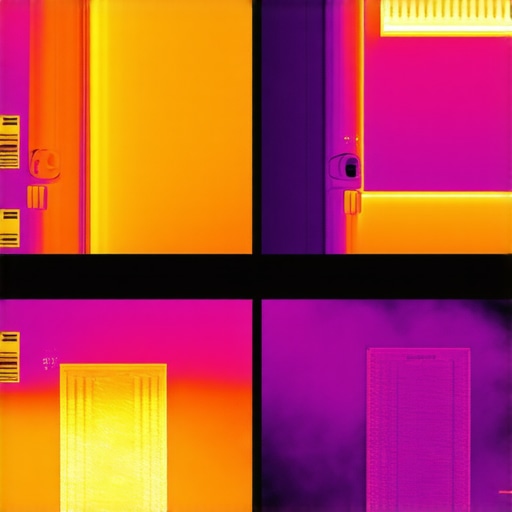 ) showing the excessive heat buildup. Such visual proof is invaluable when diagnosing.
Interpret the Heat Signatures Carefully
Compare readings against manufacturer specifications or typical thermal patterns. An abnormally high temperature (above 60°C/140°F) on the motor or heating element signals potential issues. If you detect uneven heat distribution, it might point to blocked water flow or faulty sensors that need checking. Be cautious—false positives can occur, so corroborate with multimeter tests or repair records.
Cross-Verify with Multimeter Checks
Use your multimeter to test electrical continuity and resistance across suspect components. For example, a heating element reading infinite resistance suggests a break, confirming thermal clues. In my case, after noting a hotspot, a quick multimeter check revealed the heating element was open-circuited, preventing proper heating and causing heat accumulation elsewhere. Always document your findings to support warranty claims or professional repair decisions.
Record and Analyze Data
Create a detailed log of thermal and multimeter readings, cycle duration, and observed anomalies. Accurate records are essential—they act as evidence during warranty claims or when consulting technicians. This habit saved me from unnecessary service calls, providing clear proof that my motor was overheating because of a failed bearing, not user error.
Decide on Next Steps
If thermal imaging and electrical tests point to a faulty component, you can replace or repair it yourself if skilled, or contact a professional with confidence. Otherwise, continue systematic testing of other parts. Remember, regular calibration and careful interpretation of heat patterns prevent misdiagnoses. For complex issues related to 2026 dishwasher fault codes, combining thermal imaging with diagnostic apps speeds up troubleshooting—consider exploring advanced tools like pro diagnostic tools for faster results. Keeping detailed records also helps maintain warranty compliance and avoid disputes, as outlined in maintenance tips that preserve coverage.
Many homeowners assume that a valid warranty and basic troubleshooting skills will protect them from costly repairs. However, the reality is more nuanced. A common misconception is that simply claiming a defect or calling a technician guarantees warranty coverage. In truth, warranties often have fine print clauses that can unexpectedly void your coverage if misunderstood or overlooked. For instance, using non-OEM parts or neglecting regular maintenance can invalidate claims, even if the appliance fails unexpectedly. Advanced diagnostics, like thermal imaging, reveal issues that basic checks might miss, but only if performed correctly. It’s crucial to understand the subtle requirements specified in your warranty documentation; otherwise, you risk being denied repairs when you need them most. According to industry experts, improper DIY repairs or misinterpretation of fault codes are prime reasons warranties are rejected—despite homeowners’ good intentions. This underscores the importance of thorough knowledge and adherence to manufacturer guidelines. For example, avoiding common diagnostic pitfalls such as skipping calibration or relying solely on apps without cross-verifying data can prevent costly mistakes. Check out detailed strategies to maximize your warranty benefits through proper diagnostics at this comprehensive guide. Moreover, understanding the precise conditions under which warranties are valid helps you prepare effective repair records, which are essential when contesting denials. Remember, claiming a warranty isn’t just about the fault—it involves demonstrating compliance with all stipulated terms, an often-overlooked step that can make or break your claim. Do you know the fine print on your appliance warranty? If not, you might be risking coverage for simple faults. Stay informed, and consider regularly reviewing your warranty constraints—it’s an investment that can save you thousands in appliance repairs. For more on safeguarding your warranty and smart diagnostics, explore this essential resource. Remember, the devil is in the details, and understanding those details ensures you get the service you deserve—without surprises. Have you ever fallen into this trap? Let me know in the comments.
Keep It Running: Essential Tools for Appliance Maintenance
To ensure your dishwasher functions reliably over years, investing in the right diagnostic and maintenance tools is crucial. I personally recommend a digital multimeter with auto-ranging capabilities; it simplifies testing electrical components and prevents errors, especially when checking resistances or voltage drops. Additionally, a leak detection and ultrasonic inspection kit help identify hidden issues, such as micro-leaks or internal component failures, before they escalate. Pair these with a reliable thermal camera to monitor heat signatures during operation, allowing early detection of overheating parts like motors or control boards, which can preempt costly repairs.
Future-Proof Your Dishwasher with Smart Maintenance
Looking ahead, the trend is shifting toward integrated IoT sensors and AI-powered diagnostics that automatically alert homeowners to potential faults. Devices like smart sensors can monitor cycle performance, water usage, and temperature consistency, providing real-time data to your smartphone. Regular calibration of these sensors using recommended procedures or specialized calibration kits preserves accuracy and prolongs their lifespan, ensuring sustained detection capabilities. Incorporating such tools now can facilitate a proactive maintenance approach—potentially extending your appliance’s service life and safeguarding your warranty.
How do I maintain my dishwasher over time without guessing?
Developing a routine that includes visual inspections, regular calibration of diagnostic tools, and keeping detailed repair logs is essential. Use professional-grade diagnostic tools to confirm issues before attempting repairs, ensuring your warranty remains intact. Routine assessments with these tools help you catch problems early—like abnormal heat signatures or electrical anomalies—before they cause major failures, saving you money and frustration. Remember, proper maintenance isn’t just about fixing problems; it’s about preventing them, which is where preset tools and diligent records become indispensable. Take the advice of industry experts and make a habit of testing critical components every six months, especially if your dishwasher is heavily used or still under warranty.
For example, periodically verifying that the temperature sensors are functioning correctly with a thermal camera can prevent unnoticed overheating, which could void warranty clauses. And don’t forget to keep repair records and calibration logs—these are your best defense when dealing with warranty claims or professional repairs. Becoming familiar with your appliance’s behavior—by observing heat patterns or electrical responses—makes you a proactive participant in its longevity.
Why Calibration Methods Matter for Long-Term Maintenance
Accurate calibration of diagnostic tools is vital to avoid false positives or negatives. Using manufacturer-recommended calibration procedures ensures your heat sensors and multimeters provide trustworthy data. This process might include adjusting thermal cameras against known temperature references or verifying multimeter readings with certified calibration sources. Regular calibration enhances the precision of your diagnostics, enabling early intervention and preventing costly breakdowns. Remember, an uncalibrated tool can mislead diagnostics, leading to unnecessary replacements or warranty disputes.
One tip I find especially effective is using calibration references like ice-water baths or controlled heat sources for thermal cameras—simple yet effective methods to maintain accuracy. By committing to proper calibration routines, you keep your tools in peak condition, ensuring that your maintenance efforts remain effective over the lifespan of your dishwasher. As technology advances, incorporating AI-enhanced diagnostic apps may soon automate calibration checks, making maintenance even more foolproof—something worth watching in the coming years.
If you’re ready to elevate your maintenance game, try calibrating your thermal camera with a known-temperature reference this week. It’s a small step that can significantly improve your diagnostic confidence and safeguard your appliance’s performance and warranty.
Over the years, I’ve realized that the most valuable insights often come from troubleshooting beyond standard manuals and tools. One of my deepest lessons came from experimenting with thermal cameras—discovering how a simple heat signature check could have prevented costly repairs and warranty pitfalls. This approach transformed not just my understanding of appliance behavior but also my confidence in DIY diagnostics. Remember, in appliance repair, sometimes the answers lie hidden in thermal patterns that your naked eye can’t perceive, and embracing this knowledge early on can save you both money and frustration.
What I Wish I Knew When I Started
- Using thermal imaging during the initial diagnosis can reveal overheating components before they cause complete failure, a real game-changer that I overlooked initially.
- Calibration of diagnostic tools isn’t just for pros; improper calibration led me to misread heat signatures, risking unnecessary replacements—don’t make the same mistake.
- Understanding warranty fine print is crucial; many homeowners miss subtle clauses that can void coverage if diagnostics are done incorrectly or with non-approved tools. Dive into the details before you start diagnosing.
- Keeping detailed repair logs and calibration records bolster your case during warranty disputes or professional consultations—it’s worth the extra effort.
- Moving beyond basic checks to advanced diagnostics like thermal imaging empowers you to catch issues early, prolonging appliance lifespan and maintaining warranties effectively.
The Toolbox That Changed Everything
- Calibration kits and AI sensor tools: These ensure your thermal readings are accurate, avoiding false alarms or missed faults.
- Maintenance logs: Documenting each diagnosis and repair step safeguards your warranty claims.
- Professional diagnostic guides: They provide invaluable context when interpreting heat signatures and fault codes.
- Warranty fine print resources: Knowing the subtle clauses prevents invalidating your coverage unintentionally.
Keep Your Appliance in the Best Shape
The future of dishwasher maintenance is heading toward smarter, more proactive systems—think IoT sensors and AI-driven diagnostics. By investing in these tools now and mastering their calibration and interpretation, you’re not only protecting your warranty but also extending your appliance’s lifespan. Regularly check heat signatures with your thermal camera, and document every step—your future self will thank you for the peace of mind and savings gained along the way.
What’s Your Next Step? Dive Deeper or Start Today
Now that you’ve seen how thermal imaging can revolutionize your approach to dishwasher diagnostics, why not give it a try? Begin with calibrating your thermal camera using a simple ice-water bath and observe your appliance in action. Remember, the key to successful DIY repairs isn’t just the tools, but your confidence and understanding. As technology advances, embracing these methods ensures you’re prepared to handle troubleshooting effectively, safeguarding your warranty and avoiding unnecessary expenses. Want to explore more advanced diagnostic techniques or share your experiences? Drop a comment below and join the conversation—your insights could help fellow homeowners outsmart their appliances.

Leave a Reply