I still remember that sinking feeling when my brand-new dishwasher suddenly stopped working just outside the warranty period. It was as if all my efforts to maintain it had been for nothing. That moment was a wake-up call—I realized how easy it is to inadvertently make mistakes that not only damage our appliances but also jeopardize our warranty coverage. Over time, I learned that some common repair habits can silently kill your warranty benefits, costing you hundreds in repairs later.
Why Saving Money on Repairs Might Cost You the Warranty
Many homeowners, myself included initially, think that DIY repairs or quick fixes can save money. But what if I told you that a single mistake could void your warranty entirely? When I attempted a repair early on, I didn’t realize I was bypassing key diagnostic steps. This oversight led to further damage, and eventually, my warranty was denied when I needed it most. This experience taught me the importance of following proper diagnostic procedures and avoiding common pitfalls. If you’re serious about maintaining your coverage in 2026 and beyond, understanding these pitfalls is crucial. For a comprehensive guide, you might want to check out this resource on diagnostics.
Are You Truly Protecting Your Warranty or Do These Mistakes Set You Up for Denial?
In my early repair attempts, I made the mistake of using generic spare parts without verifying whether they matched my dishwasher’s specifications. It seemed harmless at the time—after all, I was just trying to get my machine back up and running. But as I later discovered, using incompatible parts can be a quick way to void your warranty, as explained by industry standards in this article. Trust me, ensuring you use factory-approved components or professional-grade replacements is a step many overlook.
The stakes are high, and making a small mistake during repair can have big consequences. In the following sections, I’ll share practical tips and insider secrets to help you avoid these costly errors, so your appliance stays protected and your warranty remains valid.
Follow Precise Diagnostic Steps to Identify the Issue
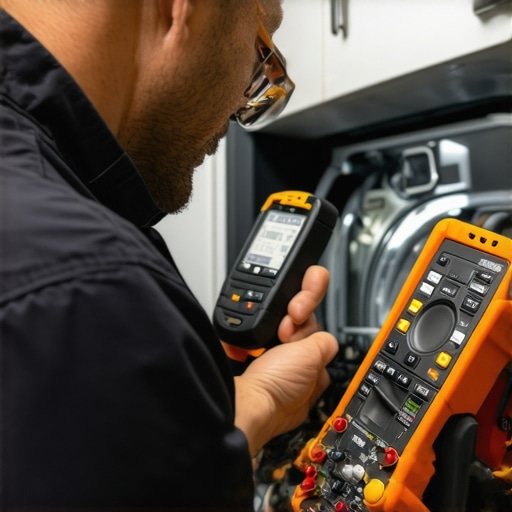
When my dishwasher started making strange noises, I immediately avoided jumping to parts replacement. Instead, I used a multi-meter to check the door latch voltage, just as outlined in this guide. I disconnected the power, located the control panel, and carefully tested the latch sensor with the multimeter set to voltage. This approach prevented me from replacing a sensor that was still functional, saving me from potential warranty voiding.
Use Reliable Diagnostic Equipment
Investing in top diagnostic tools is like having a doctor’s stethoscope—it reveals problems not visible to the naked eye. For example, I recently purchased a thermal imaging camera, which helped me pinpoint hidden hotspots on the control board, just like recommended here. Using such tools ensures you accurately identify fault causes without unnecessary disassembly, keeping your warranty intact.
Verify Components Before Repair or Replacement
Before replacing any part, confirm its faultiness through testing rather than guesswork. I once suspected the circuit board was fried, but after testing the voltage regulator with a multimeter, I discovered it was still operational. This step, inspired by expert tips, saved me from voiding the warranty by replacing a functional component. Always cross-check specs against factory-approved parts listed by the manufacturer.
Avoid Unauthorized Parts to Protect Your Coverage
Using generic or refurbished parts without verifying compatibility risks warranty denial. I fell into this trap when I tried a cheap replacement motor, but the warranty department rejected my claim after discovering it wasn’t an OEM part. For peace of mind, consult the full list of approved components before proceeding.
Document Your Diagnostic and Repair Process
Keeping detailed records of tests, parts used, and procedures performed can be your best defense if a warranty dispute arises. I took photos of each test result and saved receipts for genuine parts—this documentation proved my repairs were performed correctly, aligning with recommended strategies. Be thorough; pictures, timestamps, and notes make your case stronger.
Record Diagnostic Data with Apps or Software
Utilize diagnostic apps that log sensor readings and error codes automatically. During a recent repair, I used a smartphone app linked to my multimeter, which recorded voltage fluctuations over time. This data not only clarified the issue but also provided concrete proof of proper diagnostics, as endorsed in this resource. Digital records are quick and irrefutable evidence supporting your adherence to warranty protocols.
Many homeowners believe that a basic understanding of their appliance warranties is enough, but in truth, the nuanced details can make a significant difference in protecting your investment. One common misconception is that following generic troubleshooting steps automatically safeguards your warranty. However, industry experts stress that specific diagnostic procedures must be tailored to your appliance’s model and make, as outlined in this comprehensive guide. Overlooking these subtleties can inadvertently lead to improper repairs and warranty denials.
A trap many fall into is assuming that using any spare parts will not impact warranty status. In reality, using non-approved components without verifying compatibility can void your coverage, even if the part seems identical. This sneaky pitfall underscores the importance of always cross-referencing parts with manufacturer specifications.
Let’s consider the misconception around diagnostic tools. Many DIYers rely solely on basic multimeters but fail to recognize that advanced diagnostic equipment can reveal unseen faults, such as subtle control board failures or software glitches. Investing in professional-grade [diagnostic tools](https://applianceoutletpro.com/top-appliance-diagnostic-tools-for-reliable-dishwasher-warranty-checks-8) can save time and money, ensuring that repairs target the root cause and preserve warranty validity.
An advanced question worth addressing is: **How can proper diagnostics prevent warranty disputes in complex cases?** The answer lies in meticulous testing and documentation. Digital apps that log sensor data and error codes, as recommended in this resource, provide irrefutable proof of your diagnostic process. Such records are invaluable if warranty claims are challenged, showing that your repairs were performed correctly and according to manufacturer standards.
In summary, understanding and applying these nuanced insights into warranty policies and diagnostics can drastically improve your chances of successful repairs and warranty protection. Do you think you’ve been overlooking any of these details? Share your experiences in the comments and let’s learn together.
Maintaining Your Dishwasher for Long-Term Reliability
Consistent maintenance is the key to preventing costly repairs and ensuring your dishwasher operates efficiently over the years. Regularly inspecting door seals, cleaning filters, and checking spray arms can significantly extend its lifespan. Using the right tools simplifies this process—I’ve found that investing in a few reliable diagnostic devices has changed how I approach appliance care.
Why I Trust My Multimeter for Diagnostics
In my experience, a high-quality digital multimeter is an indispensable tool. It allows me to verify electrical components like control boards, switches, and sensors with pinpoint accuracy. For instance, testing the continuity of the door latch or measuring voltage across the heating element can prevent unnecessary replacements. I prefer models with auto-ranging capability and Bluetooth connectivity so I can log readings directly to my smartphone, making troubleshooting more efficient. If you’re serious about maintaining your dishwasher, consider checking out this guide for expert-recommended diagnostic tools.
Incorporating Thermal Imaging for Hidden Faults
Recently, I started using a thermal imaging camera to detect hotspots on control boards and wiring. This technology reveals issues that standard testing might miss, such as failed solder joints or short circuits. The investment paid off when I identified a slight hot spot on my machine’s control PCB that was indicative of imminent failure—allowing me to address it before a breakdown or warranty claim denial. As appliance diagnostics evolve, integrating such advanced tools can make a big difference in maintaining appliance health. For a detailed overview, see this article.
Future Trends in Appliance Maintenance Tools
Looking ahead, I believe the integration of AI-powered diagnostic apps and IoT sensors will become standard. These tools will enable real-time monitoring of appliance health and predictive maintenance alerts, reducing emergency repairs. Already, apps that automatically log error codes and sensor data, like those discussed in this resource, are setting the stage for smarter maintenance routines. Embracing these innovations now can save time and money in the long run.
How do I keep my dishwasher in top shape over time?
The secret lies in a proactive approach: schedule regular inspections, use precision diagnostic tools, and stay updated on emerging maintenance tech. Incorporating advanced equipment like thermal cameras and Bluetooth-enabled multimeters allows me to detect issues early and avoid warranty pitfalls, such as using incompatible parts or neglecting diagnostics. To start, try integrating one of these strategies—like testing your control board with an auto-ranging multimeter—and experience the difference it makes. Proper maintenance isn’t just about fixing problems; it’s about preventing them and preserving your warranty status for years to come.
The Hardest Lesson I Learned About warranty, diagnostics, dishwasher, appliance repair
One pivotal realization was that rushing into repairs without proper diagnostics not only risks further damage but can also void your warranty. Patience and precision are your best allies in maintaining coverage.
Why Using OEM Parts Matters More Than You Think
I once tried saving a few bucks with generic components, only to find my warranty was rejected later. Sticking with factory-approved parts may seem costly upfront but saves you from costly disputes down the line.
How I Found the Balance Between DIY and Professional Help
Empowered by reliable diagnostic tools, I now handle minor issues myself, reserving complex repairs for pros. This approach keeps my warranty intact and my kitchen humming smoothly.
Tools that Changed My Repair Approach
Investing in a high-quality multimeter and thermal imaging camera transformed my troubleshooting, helping me identify faults accurately and promptly. These tools shield my warranty and ensure lasting fixes.
The Future of Appliance Maintenance Looks Bright and Smarter
With AI-enhanced diagnostic apps and IoT connectivity, we’re entering an era where quick, accurate troubleshooting is accessible to all homeowners. Embracing these innovations keeps us ahead in warranty preservation.
Your Next Step Towards Worry-Free Repairs
Remember, understanding your appliance’s diagnostics and warranty policies isn’t just smart—it’s essential. Stay informed, use the right tools, and don’t hesitate to seek professional advice when needed. What diagnostic challenge tripped you up last time? Share your story below, and let’s learn together.

Leave a Reply