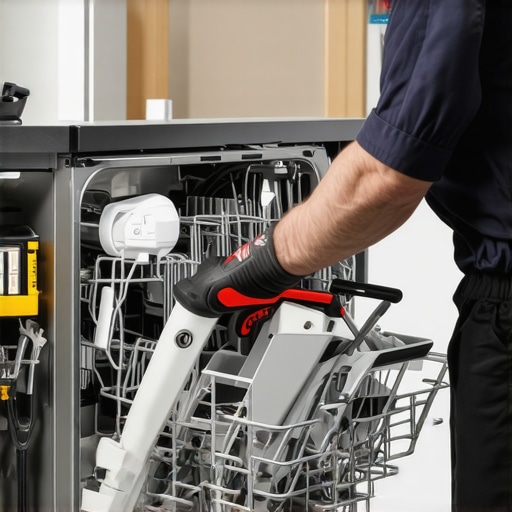
It was late at night when my dishwasher decided to flood the kitchen, turning my quiet apartment into a mini swimming pool. Talk about a wake-up call! That moment made me realize how frustrating it is when appliances fail unexpectedly, especially when you rely on them daily. But here’s the thing — I learned that understanding reliable diagnostic tips can make a huge difference in resolving issues quickly and saving your warranty.
Why Proper Diagnostics Save Your Time and Warranty
Knowing how to troubleshoot your dishwasher isn’t just about fixing a machine; it’s about protecting your investment. Let me tell you, I used to just jump straight into replacing parts without proper diagnostics, which often led to wasted money and missed warranty coverage. A piece of advice I wish I had earlier: make sure you’re following proven strategies for appliance diagnostics. It’s surprisingly simple once you understand the basics, and it can dramatically increase your chances of a successful repair.
Did you know that, according to industry experts, nearly 80% of appliance failures can be diagnosed correctly with simple troubleshooting tools and techniques? That’s a powerful stat, and it highlights why becoming familiar with diagnostic tips is worth the effort. This knowledge helps you identify problems early, avoid unnecessary repairs, and ensure your warranty is utilized effectively.
If you’ve ever faced a dishwasher that stops mid-cycle or leaks unexpectedly, you’re not alone. Many homeowners face similar challenges, but with the right approach, you can turn a stressful situation into a manageable, even educational, experience. The goal today is to help you master those diagnostic skills, so you’re prepared for whatever dishwasher dilemma comes your way. Curious how? Let’s dive into the key steps that can transform how you handle appliance issues and ensure your warranty covers the work you need.
Start with Visual Inspection
Always begin your troubleshooting by examining the dishwasher for obvious issues like leaks, blockages, or burnt smells. For instance, I once noticed a small pool of water beneath my dishwasher and found a loose hose connection—tightening it stopped the leak and saved me from an unnecessary service call. Use a flashlight to check for debris obstructing filters and spray arms, which are common culprits. Regular visual inspections help catch problems early and prevent water damage, aligning with expert diagnostic advice found here.
Test Power Supply and Circuit Breakers
Next, ensure your dishwasher is receiving power. Think of the power supply like the bloodstream of your appliance—without it, nothing works. Verify that the circuit breaker hasn’t tripped by resetting it if necessary. Use a multimeter to test voltage at the outlet, making sure it’s delivering consistent power. A simple power failure can mimic more complex issues, so confirming this step saves time. For detailed diagnostics, check out this resource.
Run Diagnostic Tests Manually
Many dishwashers have built-in diagnostic modes. Consult your user manual or manufacturer’s website to learn how to initiate these tests. During these cycles, the machine checks internal sensors, heaters, and pumps. For example, I triggered the diagnostic mode on my model, and it revealed a faulty temperature sensor, allowing me to replace it promptly. Conducting these tests systematically pinpoints electronic or control board issues early and helps you justify warranty claims, as explained here.
Check and Clean Important Components
Beyond electronics, mechanical parts like door latches, water inlet valves, and filters are frequent troublemakers. Wear and debris can impede operation. Remove and clean filters, and inspect the door latch assembly for damage or misalignment. They act like the gatekeepers of your dishwasher’s function—if they fail, cycles won’t start or complete properly. Maintenance like this is your frontline defense, saving on costly repairs and extending warranty coverage. Discover more about component diagnostics here.
Utilize Quality Diagnostic Tools
Using the right tools makes troubleshooting efficient and accurate. A multimeter, thermal camera, or specific appliance diagnostic devices help identify electrical faults and overheating issues that are invisible to the naked eye. For example, I used a multimeter to test wiring resistance and confirmed a broken heating element—this quick check avoided replacing the entire electronic control. Investing in professional tools boosts your diagnostic success and justifies warranty claims, reinforced by insights here.
Record and Document Everything
Keep a detailed log of symptoms, test results, and repairs. Photos, timestamps, and notes provide evidence if you need to claim warranty or seek professional repair. When my dishwasher stopped mid-cycle, I documented the error code and steps I took, which helped service technicians quickly identify the problem during warranty service. Proper documentation ensures you maximize your warranty benefits and speeds up resolution, as advised here.
Many homeowners assume they fully understand the nuances of dishwasher repair and warranty claims, but misconceptions abound. One prevalent myth is that attempting DIY diagnostics can void the warranty. In reality, following proper troubleshooting steps—like those outlined here—can actually strengthen your case when claiming warranty coverage, as long as you don’t cause further damage. Another mistake is believing that all problems require expensive professional repair; often, precise diagnostics using tools such as multimeters and thermal cameras (see here) enable pinpointing issues early, saving money and time. Many people also overlook the importance of understanding how complex electronic control boards are and tend to replace them prematurely, which can lead to unnecessary costs; deeper insights are available here. Let’s dig deeper into these pitfalls to help you avoid costly mistakes. Have you ever fallen into this trap? Let me know in the comments.
Prioritize Routine Maintenance to Keep Your Dishwasher Operating Smoothly
Regular upkeep is crucial for ensuring your dishwasher functions efficiently over time. Personally, I schedule a deep cleaning every three to four months, focusing on spray arms, filters, and door seals. Using a mixture of vinegar and baking soda helps remove mineral build-up, preventing clogging and leaks. Maintaining the interior components minimizes wear and tear, maximizing warranty coverage and reducing unexpected breakdowns. Incorporate visual inspections regularly and address minor issues promptly to avoid costly repairs later. Learn more about effective maintenance routines here.
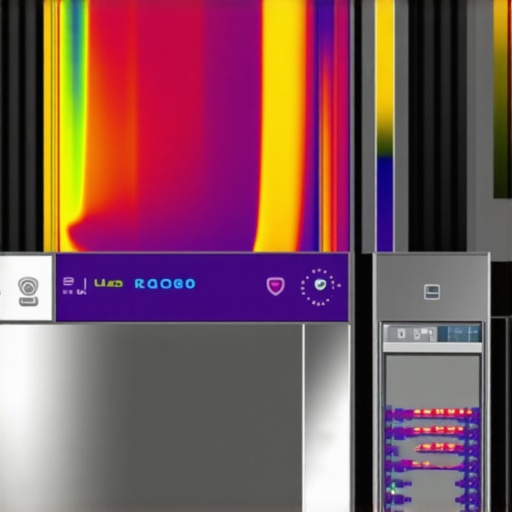
How do I maintain my dishwasher over time? Establish a consistent cleaning schedule, check for signs of wear, and use diagnostic tools to catch issues early. Investing in quality diagnostic equipment, such as a multimeter and thermal camera, allows you to identify electrical faults or overheating that aren’t immediately visible. For example, I use a digital multimeter certified for appliance diagnostics, which has been invaluable in troubleshooting and avoiding unnecessary part replacements. A well-maintained dishwasher not only performs better but also ensures warranty benefits remain intact, as noted by expert technicians.
Reliable Tools Make All the Difference
When it comes to maintaining or repairing your dishwasher, choosing the right tools is essential. I personally rely on a high-precision multimeter to measure circuit resistance and verify electrical continuity. For diagnosing overheating or control board issues, I use a portable thermal imaging camera, which reveals hot spots indicating potential failures. These tools save time and provide accuracy, making diagnostics more straightforward and trustworthy. Additionally, utilizing specialized software like manufacturer diagnostic apps, when available, can streamline troubleshooting processes. As industry experts recommend, investing in quality diagnostic tools significantly improves repair success and warranty adherence here.
The Future of Appliance Diagnostics
Looking ahead, integrating smart diagnostic features directly into appliances will revolutionize maintenance. Connected sensors could alert homeowners to impending issues before they escalate, reducing downtime and repair costs. Machine learning algorithms may analyze usage patterns to suggest preventative measures, extending product lifespan. Staying proactive with maintenance and embracing these innovations can position you ahead of the curve, ensuring your dishwasher remains reliable long-term. For now, focusing on precise diagnostics and consistent upkeep will serve you well. Ready to elevate your troubleshooting game? Try upgrading your diagnostic toolkit with a thermal camera to detect early electrical issues—it’s a game changer for appliance longevity.
What I Wish I Knew Before I Started Troubleshooting
One of the biggest lessons I learned early on is that patience is essential. Rushing to replace parts without thorough diagnostics can lead to wasted money and voided warranty coverage. I also discovered that relying on visuals and basic tests often reveals the root issue faster than guesswork. Lastly, understanding that your appliance’s electronic controls can be delicate made me cautious; proper diagnostics protect the machine and your warranty. These insights transformed my approach from trial-and-error to confident, strategic troubleshooting.
Gear Up with the Right Tools for Confidence
Over time, I found that investing in quality diagnostic tools—like a reliable multimeter and a thermal imaging camera—significantly boosted my troubleshooting accuracy. These tools helped me identify electrical faults and overheating issues that aren’t visible to the naked eye. Trusting equipment backed by industry recommendations ensures you can diagnose problems swiftly, which is crucial for maintaining warranty coverage. If you’re serious about appliance care, exploring these tools can make a world of difference, as I detail here.
Seize Every Chance to Learn and Improve
Finally, embracing a mindset of continuous learning has been a game-changer. When I document every repair step and error code, I build a personal knowledge bank that empowers me during future issues. It also strengthens my warranty claims, since I have concrete evidence to support my cases. Sharing your experiences with others creates a community of smart homeowners who understand how to troubleshoot effectively and protect their investments. Are you ready to take your dishwasher diagnostics to a new level? Let me know below and share your most valuable lesson!

Leave a Reply