Ever had that sinking feeling when your dishwasher suddenly stops mid-cycle, leaving you to wonder if it’s a simple glitch or a sign of something bigger? I remember the first time my dishwasher refused to cooperate, and I was tempted to call in a repair service immediately. But after a bit of digging, I realized I was missing out on valuable warranty coverage because I didn’t understand how to properly diagnose the issue first. That lightbulb moment changed everything for me—and it can for you too.
Why Proper Diagnostics Matter More Than Ever
When your dishwasher acts up, jumping straight to the repair shop can be costly and unnecessary. Proper diagnostics not only save money but also unlock the full potential of your warranty coverage. According to industry experts, many appliance warranties are underutilized because homeowners don’t know how to identify issues correctly, leading to out-of-pocket expenses that could have been avoided. Learning to diagnose your dishwasher effectively means you can communicate the problem clearly, ensuring faster repairs and better warranty claims.
Have you ever rushed into repairs only to realize the problem was minor? Or worse, ignored it until it became a costly disaster? If yes, you’re not alone. I made that mistake early on, thinking I could handle every problem without proper tools or knowledge. Trust me, knowing the right diagnostic techniques makes a huge difference. For in-depth tips, check out this guide on diagnostics and warranty tips.
In the sections ahead, I’ll share practical steps I’ve learned over years of troubleshooting that help maximize your warranty benefits and keep your dishwasher running smoothly. Ready to turn yourself into a home appliance detective? Let’s get started.
,
Start with a Visual Inspection
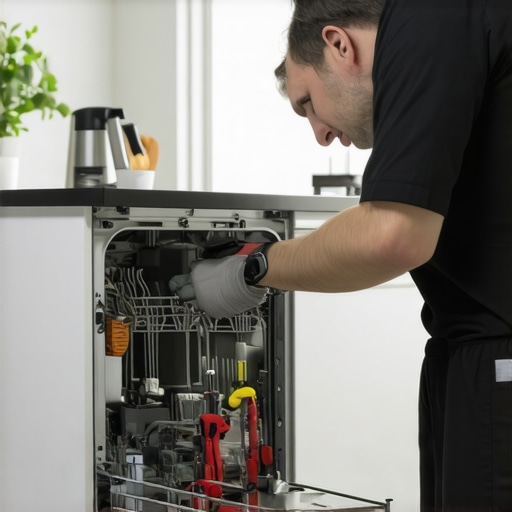
When my dishwasher stopped mid-cycle unexpectedly, I first opened it up to look for obvious issues like leaks, broken parts, or debris blocking the spray arms. Think of this step as a mechanic checking under the hood before running diagnostics. If you notice any visible damage or obstructions, document it with photos and move to the next step. This quick visual check can often reveal simple fixes and save time.
Use Diagnostic Mode to Pinpoint Problems
Most modern dishwashers have a diagnostic or test mode, which is like a health check-up for appliances. To access it, consult your user manual or look for online guides specific to your model. Once in diagnostic mode, observe error codes or abnormal behavior. For example, if the water isn’t filling properly, the machine might display a specific code. Recognizing these signs helps you communicate effectively with warranty providers or repair technicians. I once used the diagnostic mode to confirm that a faulty float switch was causing my water fill issue, saving me a repair call.
Test the Key Components Systematically
Break down your troubleshooting into core components: water supply, drain, heating element, and control board. Use multimeters and other diagnostic tools to test each part. For instance, testing the heating element involved removing it and measuring resistance—if it reads open circuit, it’s dead. This methodical approach is like a doctor checking each vital sign; it ensures you don’t overlook critical issues. I recommend investing in professional diagnostic tools to make this process easier and more accurate.
Document Your Findings Carefully
Keep a detailed record of what you observe and test. Photos, error codes, and notes about your tests help when filing warranty claims. For example, I noted the error code F2E1 and documented the steps I took to test the float switch. This level of detail often speeds up warranty service and can be used as evidence if disputes arise. Remember, clear documentation boosts your leverage in warranty negotiations.
Leverage Proven Strategies for Warranty Optimization
Once you’ve identified the issue, consult trusted resources for proven repair strategies. Many manufacturers and repair experts recommend specific diagnostic techniques that align with warranty requirements. Check out this guide for detailed strategies to ensure your diagnostics are comprehensive and warranty-friendly. Applying these methods increases your chances of a smooth, cost-effective repair process.
Don’t Forget to Verify and Test Post-Repair
After fixing the problem or submitting a warranty claim, run the dishwasher through a full cycle. Observe for any residual issues or new errors. This final step confirms your diagnosis was correct and that the appliance is back to optimal performance. I learned this the hard way when skipping post-repair tests led to a repeat failure—trust me, thorough testing saves headaches later.
Many homeowners believe that troubleshooting a dishwasher is straightforward—just check the obvious and call a repair service if needed. However, this mindset often leads to costly mistakes and missed opportunities to maximize warranty coverage. Let’s dig deeper into what most people get wrong about diagnosing dishwasher issues and uncover the hidden nuances that can save you time and money.
Why Do So Many Get It Wrong When Diagnosing Dishwashers?
One prevalent misconception is that a visual inspection is enough to identify the problem. While it’s a good starting point, relying solely on what you see can mislead you. For example, a clogged filter might look harmless, but the underlying issue could be a faulty pump or control board. Many experts warn against jumping to conclusions based on superficial inspections. Instead, combining visual checks with systematic testing—like using diagnostic modes or multimeters—is essential for accurate diagnosis. For in-depth techniques, I recommend reviewing this comprehensive guide.
Common Mistakes That Sabotage Your Warranty Claims
A frequent trap is misidentifying the root cause of a malfunction. For instance, replacing a heating element without confirming it’s defective can lead to unnecessary expenses. Worse, some homeowners ignore error codes or fail to document their troubleshooting steps, which can complicate warranty claims. Proper documentation, including error codes, test results, and photos, can significantly boost your chances of a successful warranty repair. Remember, manufacturers often require proof that you’ve attempted proper diagnostics before honoring warranty coverage. Learn more about effective diagnostics for warranty success.
Advanced Techniques for the Serious DIY Enthusiast
For those willing to go beyond basics, understanding the nuances of component testing is crucial. For example, testing the control board for voltage irregularities or using specialized diagnostic tools can reveal hidden faults. Also, knowing how to interpret error codes in context—like F2E1 indicating float switch issues—can prevent misdiagnosis. Keep in mind, manufacturers often update diagnostic procedures, so staying informed is key. You might find value in exploring this resource on diagnostic tools.
Finally, remember that diagnosing a dishwasher isn’t just about fixing the current problem but understanding the system as a whole. An overlooked issue might cause recurring failures, leading to wasted repairs and warranty claims. Developing a thorough troubleshooting process—covering all key components systematically—can help you become more confident and reduce reliance on professional repairs. Have you ever fallen into this trap? Let me know in the comments.
Keeping your dishwasher in peak condition over time requires more than just occasional cleaning; it demands the right tools and a proactive maintenance routine. As DIY enthusiasts and professionals increasingly turn to specialized diagnostic equipment, understanding which tools genuinely make a difference can save you time and money in the long run.
One essential tool I personally rely on is a high-quality multimeter. It’s invaluable for testing electrical components such as the control board, heating element, and float switches. I prefer a digital multimeter with auto-ranging capabilities because it simplifies measurement tasks and reduces errors. For instance, measuring the resistance of the heating element with a reliable multimeter helps me quickly identify if it’s dead before replacing it unnecessarily. Investing in a multimeter that offers true RMS readings ensures accuracy, especially when diagnosing complex electrical issues.
In addition to multimeters, a dedicated appliance diagnostic tool tailored for dishwashers can significantly streamline troubleshooting. These devices connect to your appliance’s diagnostic ports and provide error codes directly, eliminating guesswork. I often use a tool like the professional diagnostic device because it offers quick insights, especially when dealing with newer models that have complex control systems. Such tools are future-proof, with firmware updates expanding their capabilities as appliances evolve.
Another critical aspect of maintaining long-term performance involves regular cleaning and inspection. I recommend creating a maintenance schedule that includes checking the spray arms for clogs, inspecting door seals, and cleaning filters. Incorporating a routine check of electrical connections and wiring can prevent unexpected failures. Using a flashlight and a pair of tweezers makes it easier to access tight spots and remove debris or corrosion.
Looking ahead, the trend in appliance maintenance is moving toward smart diagnostic systems integrated with mobile apps. These apps can analyze error codes and guide users through troubleshooting steps with detailed tutorials. While this technology is still gaining ground, embracing it now can provide a significant advantage. For example, apps that sync with diagnostic tools can log issues over time, helping you identify recurring problems before they escalate.
How do I maintain my dishwasher over time? The key is consistency—regular inspections, cleaning, and using the right diagnostic tools when problems arise. For instance, integrating an advanced multimeter with your troubleshooting toolkit allows for quicker diagnosis of electrical faults, reducing downtime. Also, maintaining clear documentation of past issues and repairs can help you track patterns and predict future failures, making proactive maintenance more effective.
Finally, I recommend trying out a comprehensive diagnostic technique like testing the control board’s voltage output with a multimeter. This detailed step can reveal subtle faults that might cause intermittent problems. Remember, the more skilled you become at diagnostics, the more you’ll maximize your warranty benefits and extend your appliance’s lifespan. Want to see how this works? Dive into the proven diagnostic strategies for an in-depth guide and start your maintenance journey today.
Ever wondered how some homeowners seem to get their dishwashers fixed quickly and without unnecessary expenses? The secret often lies in mastering the art of diagnostics. By learning effective troubleshooting techniques, you can not only save money but also ensure your warranty coverage is fully utilized. Think of diagnostics as your personal toolkit for turning minor issues into manageable fixes, giving you confidence and control over appliance repairs.
What I Learned From My Biggest Dishwasher Failures
One of the most eye-opening lessons I experienced was realizing that rushing into repairs without proper diagnosis often led to wasted time and money. I once replaced a control board only to find out later that a simple clogged filter was the real culprit. The lightbulb moment was understanding that thorough diagnostics, including checking error codes and testing key components, can prevent costly mistakes and extend your warranty benefits. This insight transformed how I approach appliance issues and can do the same for you.
Tools and Resources That Boost My Troubleshooting Power
Over the years, I’ve curated a set of trusted tools that make diagnostics more accurate and efficient. A high-quality digital multimeter is essential for testing electrical components like heating elements and control boards. I also rely on specialized diagnostic devices that connect to my dishwasher’s ports and provide clear error codes, making troubleshooting straightforward. Additionally, comprehensive guides on maximizing warranty coverage have been invaluable for understanding the nuances of proper diagnostics and repair.
Take Action Now and Transform Your Repair Approach
The future of appliance maintenance is moving toward smarter diagnostics and proactive care. By developing your troubleshooting skills today, you empower yourself to handle issues confidently and maximize your warranty benefits. Remember, every small fix you master today makes you less dependent on costly professional repairs tomorrow. So, why not start practicing these diagnostic techniques and become the go-to expert in your household?
Have you ever struggled with pinpointing a dishwasher issue or felt unsure about how to document your findings? Share your experience below and let’s learn from each other’s troubleshooting journeys!

Leave a Reply