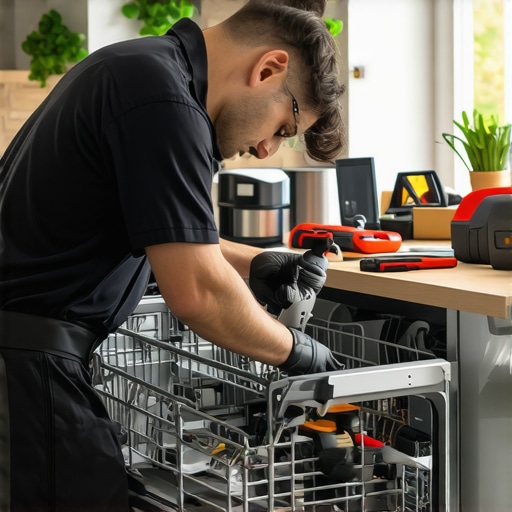
Ever stood in front of your dishwasher, hearing that dreaded grinding noise or seeing water refuse to drain, and felt that sinking feeling? I’ve been there. One day, my trusty dishwasher stopped mid-cycle, leaving a soggy mess and a heap of frustration. It hit me—there’s a real art to troubleshooting these appliances beyond just calling in a repair guy. The lightbulb moment? Realizing that understanding how to diagnose issues properly can save you hundreds of dollars, protect your warranty, and even extend your appliance’s lifespan.
Why Expert Troubleshooting Makes All the Difference
When your dishwasher starts acting up, it’s tempting to grab the phone and call a repair service. But here’s the thing—many problems are solvable if you know the right steps. Proper diagnostics help you identify the root cause, rather than just treating symptoms. Plus, if you’re covered under a warranty, knowing how to troubleshoot effectively can ensure you don’t void your coverage or pay for unnecessary repairs. I learned this the hard way early on, rushing into repairs without proper diagnostics and ending up with more problems than I started with. Trust me, it’s a mistake you want to avoid.
So, today I’ll share how you can become your own troubleshooting pro. We’ll cover proven strategies to diagnose common dishwasher issues, how to use diagnostic tools effectively, and tips to maximize your warranty coverage. Whether you’re a total beginner or just want to sharpen your skills, this guide will set you on the right path. Ready to take control of your appliance repairs? Let’s dive in and turn you into a troubleshooting hero.
Is DIY Troubleshooting Really Worth the Effort and Risk?
Early on, I underestimated the importance of proper diagnostics. I thought I could just fix things based on quick online advice. It led to wasted time, extra costs, and a few broken parts. Now I know that using expert diagnostic tools and following proven troubleshooting strategies makes a huge difference. If you’re skeptical, I get it—no one wants to make things worse. But with the right knowledge and tools, you can confidently troubleshoot and even avoid unnecessary repairs. Curious? Check out how to maximize your warranty with proven diagnostic strategies and ensure your repairs are reliable and covered.
Now that I’ve shared my story, let’s get into the practical steps you can take to troubleshoot your dishwasher like a pro. Trust me, once you master these skills, you’ll never fear a broken dishwasher again.
Test Power and Water Supply Immediately
When your dishwasher acts up, start with a simple check—ensure it’s plugged in and the circuit breaker hasn’t tripped. Then, verify the water supply valve is fully open. I once faced a stubborn leak, and after confirming the power and water sources were intact, I found a loose connection behind the unit. This quick check saved me from unnecessary parts replacement and helped me understand the basic diagnostics needed before proceeding.
Inspect and Clean Key Components
Clogged filters, spray arms, or drain hoses are common culprits. Remove the filters and rinse them thoroughly, then check spray arms for mineral buildup or blockages. I remember disassembling my spray arms after noticing poor cleaning results; cleaning them restored performance and prevented further issues. Regular maintenance like this not only improves efficiency but also strengthens your diagnostic skills for warranty claims.
Use a Multimeter to Test Electrical Parts
For more advanced diagnostics, a multimeter is invaluable. Turn off power before testing components like door switches, heating elements, or motors. For instance, I tested the heating element resistance and discovered a break, which was causing the dishwasher to not heat properly. This step is crucial for verifying if electrical parts are functioning correctly and avoiding costly replacements.
Check for Error Codes and Diagnostic Modes
Many modern dishwashers display error codes or have diagnostic modes. Consult your user manual or online resources to interpret these codes. I once saw an error indicating a drain problem, which led me to inspect the drain pump and hose. Using diagnostic modes can quickly pinpoint issues, making repairs more efficient and increasing your chances of a warranty-covered fix.
Test and Replace Faulty Parts Strategically
Once you identify the faulty component, replace it carefully. Keep track of serial numbers and part numbers to ensure compatibility. I learned the importance of ordering the correct part—swapping a motor without verifying compatibility resulted in a return trip to the store. Proper diagnostics guide precise replacements, maximizing your warranty coverage and reducing unnecessary expenses.
Document Your Findings for Warranty Claims
Take photos of faulty parts, error codes, and your diagnostic process. This documentation can be vital when filing warranty claims. I submitted photos of a burned-out control board, which helped expedite the warranty process and ensured I got my repair covered. Clear records prove your troubleshooting was thorough, boosting confidence in your repair efforts.
Utilize Diagnostic Tools and Resources
Invest in or borrow quality diagnostic tools like leak detectors or circuit testers. Leverage online tutorials and manufacturer resources to refine your skills. For example, using a dedicated appliance tester helped me identify a faulty sensor, saving money and time. These tools and resources turn a DIY repair into a professional-level diagnosis, strengthening your warranty claims.
Follow Proven Strategies for Max Coverage
Adopt structured troubleshooting protocols—check power, water supply, filters, electrical components, and error codes systematically. This approach prevents missed issues and ensures comprehensive diagnostics. I found that following a step-by-step guide from this resource significantly increased my repair success rate and warranty satisfaction.
Many DIY enthusiasts and homeowners believe they have a solid grasp on troubleshooting their dishwashers, but there are some pervasive misconceptions that can lead you astray. Let’s dig deeper into what most people get wrong about diagnosing and fixing dishwasher issues, and how awareness of these nuances can save you time and money.
Why the Most Popular Advice Sometimes Misleads
One common myth is that if your dishwasher isn’t draining, the problem must be the drain pump. While the pump does play a role, the real culprit is often a clogged filter or a kinked hose. Rushing straight to replacing the pump can be a costly mistake. In fact, regular inspection and cleaning of filters and hoses, as part of your diagnostic routine can often solve the issue without replacing expensive parts.
The Oops Factor: Overlooking Basic Checks
Many troubleshooters skip the fundamental steps — like verifying the water supply or resetting the circuit breaker — and jump straight into complex diagnostics. This oversight is a trap that can lead you to misdiagnose the problem. Always start with power and water supply checks; these simple steps are often the fix or at least narrow down the cause. For more advanced tips on effective diagnostics, see this comprehensive guide.
Advanced Mistake: Relying Solely on Error Codes
Modern dishwashers display error codes, but these codes are not always precise. They can sometimes indicate multiple issues or be triggered by a minor glitch. Relying only on error codes without inspecting physical components may leave hidden problems unaddressed. For example, a code indicating a drainage issue might actually be caused by a faulty float switch or a blocked filter. Combining error code interpretation with hands-on diagnostics leads to more reliable repairs. Want to go beyond the basics? Check this expert advice.
What’s the Hidden Nuance Experts Know?
Professionals understand that the key to effective troubleshooting lies in systematic diagnostics—following a logical sequence, cross-checking symptoms, and using specialized tools like circuit testers or leak detectors. This approach minimizes guesswork and prevents unnecessary part replacements. It’s not just about fixing a problem; it’s about understanding the root cause. According to appliance diagnostic expert this resource, mastering a diagnostic protocol can significantly boost your repair success rate and warranty coverage.
Have you ever fallen into this trap? Let me know in the comments. Recognizing these pitfalls is the first step toward becoming a true troubleshooting pro!
Maintaining your dishwasher involves more than just occasional cleaning; it requires the right tools and a proactive approach to ensure long-term performance. Over time, minor issues can develop into major problems if not addressed promptly. By investing in specific diagnostic and maintenance tools, you can catch potential faults early and extend the lifespan of your appliance.
Why I Trust My Digital Multimeter for Diagnostics
One tool I swear by is a high-quality digital multimeter. I use mine to test electrical components such as heating elements, door switches, and motor coils. It’s incredibly precise and allows me to measure resistance, voltage, and current—crucial data for accurate diagnostics. For example, when I suspected a faulty heating element, I checked its resistance with my multimeter and confirmed a break in the coil, saving me from unnecessary part replacements. If you want to improve your troubleshooting skills, I highly recommend investing in a multimeter, which can be found easily online or at hardware stores.
Leak Detectors Improve Long-Term Reliability
Leak detectors are another game-changer. I use a simple but effective electronic leak sensor that alerts me to small leaks before they cause water damage or mold. This proactive monitoring can prevent costly repairs and protect your warranty coverage. Modern leak detectors can connect to your smartphone via Bluetooth, allowing real-time alerts. Incorporating these sensors into your maintenance routine ensures your dishwasher remains in top condition, preventing issues from escalating.
Keeping it Clean with Specialized Brushes
Regular cleaning tools like specialized brushes for spray arms and filters make a big difference. I use a dedicated brush with stiff bristles to clear mineral buildup and debris from spray nozzles, restoring optimal water flow. A clean filter is essential for proper drainage and cleaning performance, and I recommend inspecting it monthly. Keeping components clean not only prolongs their lifespan but also reduces the likelihood of breakdowns that might void your warranty.
Future Trends in Dishwasher Maintenance
Looking ahead, I predict smart diagnostic tools that integrate with your smartphone or home automation system will become more prevalent. These devices will offer real-time diagnostics, predictive maintenance alerts, and automated troubleshooting. Already, some brands are experimenting with AI-powered diagnostic apps that analyze error codes and suggest repairs. Embracing these advancements now can help you stay ahead of potential issues and maximize your appliance’s warranty benefits.
How do I keep my dishwasher functioning well over time?
The key is consistent maintenance combined with precise diagnostics. Regularly inspect and clean filters, spray arms, and drain hoses. Use diagnostic tools like a multimeter and leak detectors to identify issues early. Document your findings and consult expert resources when needed. For an in-depth guide on maintaining and troubleshooting your dishwasher, explore this resource. I encourage you to try using a multimeter for testing your heating element today—it’s a straightforward step that can save you time and money in the long run.
Lessons Only Pros Usually Learn the Hard Way
- One of the biggest revelations was realizing that most dishwasher problems stem from overlooked basics like power supply or simple clogs. Skipping these checks often led me down costly, unnecessary repair paths.
- Using a multimeter was a game-changer. I used to replace parts blindly, but now I test electrical components first, saving time and money—and I’ve learned that patience and proper diagnostics win every time.
- Understanding error codes is helpful, but they’re not the whole story. I found that combining code interpretation with physical inspections gives a much clearer picture of what’s really wrong, preventing wasted repairs.
- Regular maintenance like cleaning spray arms and filters isn’t just about keeping the dishwasher running smoothly; it’s a key part of troubleshooting. It helps catch issues early and keeps your warranty intact.
- The most valuable lesson? Systematic diagnostics combined with good documentation can dramatically improve your chances of a covered repair, especially when dealing with warranty claims. Trust me, following a proven protocol makes all the difference.
Tools and Resources That Transformed My Approach
- Digital Multimeter: I rely on mine daily for testing heating elements, switches, and motors. It’s affordable, easy to use, and critical for accurate diagnostics. Find one from trusted brands at local hardware stores or online.
- Leak Detectors: Small electronic sensors that alert you to water leaks before they cause damage. I use a Bluetooth-enabled model that connects to my phone, giving me peace of mind and protecting my warranty.
- Online Tutorials and Manufacturer Resources: Websites and videos from reputable sources help me interpret error codes and guide repairs. Bookmarking these saves me time and prevents guesswork.
- Maintenance Kits: Specialized brushes and cleaning solutions keep parts like spray arms and filters in top shape, reducing breakdowns and warranty issues.
Take Action and Keep Your Dishwasher Running Like New
Empowered with troubleshooting skills and the right tools, you can extend your dishwasher’s lifespan, save money, and ensure your repairs are covered under warranty. Don’t wait for small issues to become big problems—start diagnosing today and reap the benefits of confident, cost-effective maintenance. What’s the first troubleshooting step you plan to try? Let me know below and share your experiences with dishwasher repairs!


Leave a Reply