![5 Parts That Instantly Void Your Dishwasher Warranty [2026]](https://applianceoutletpro.com/wp-content/uploads/2026/02/5-Parts-That-Instantly-Void-Your-Dishwasher-Warranty-2026.jpeg)
I’ll never forget the sinking feeling when my dishwasher suddenly stopped mid-cycle, and I realized my warranty was voided because I made a simple mistake I didn’t even know about. It was a lightbulb moment—how many of us risk losing coverage because of overlooked details? In my early days of appliance repair, I learned that seemingly minor parts or actions can dramatically affect your warranty status. And here’s the truth: knowing what **not** to do can save you hundreds of dollars and headaches. Today, I want to share with you the **top 5 parts** that can **immediately void your dishwasher’s warranty** if mishandled in 2026—and more importantly, how to avoid voiding that coverage. If you’ve ever been frustrated after a repair attempt or unsure whether your recent DIY fix is jeopardizing your warranty, you’re not alone. That’s why understanding these pitfalls can make all the difference.
The Hidden Minefield: Parts That Can Cancel Your Coverage Instantly
While it’s tempting to think of warranties as a safety net, they come with their own set of traps. Many homeowners and even technicians unknowingly void warranties by handling parts incorrectly or making forbidden modifications. An article by Appliance Outlet Pro highlights common errors that quickly invalidate coverage — mistakes I also made early in my repair journey. From replacing sensors without proper calibration to bypassing safety features, these missteps can be costly. To help you steer clear, I’ll walk you through the parts you should treat with care, and how to handle them professionally to keep that warranty intact.
Is DIY Repair Worth The Risk of Voiding Your Warranty?
Honestly, I used to think that fixing things myself was saving me money—until I realized that a small mistake could cost me my warranty. For example, a hasty repair on the pump or ignoring manufacturer-specific diagnostic steps can void coverage entirely. I once swapped out a faulty sensor without verifying its compatibility, which led to a warranty denial. It’s a lesson I wish I’d learned sooner. If you’re contemplating repairs, learning the key diagnostic mistakes to avoid can save you big time—check out this guide for more insights. Now, let’s look at exactly what parts can be a warranty disaster if mishandled and how to treat them right.
Handle Replacement Parts Carefully
When replacing components like sensors or pumps, always refer to the manufacturer’s instructions. I once tried swapping a drain sensor without checking its compatibility; the result was a warranty denial. To avoid this, use only genuine parts and verify model numbers before installation. Consult the expert diagnostics guide to ensure proper part handling, which helps maintain your coverage.
Use Diagnostic Tools Correctly
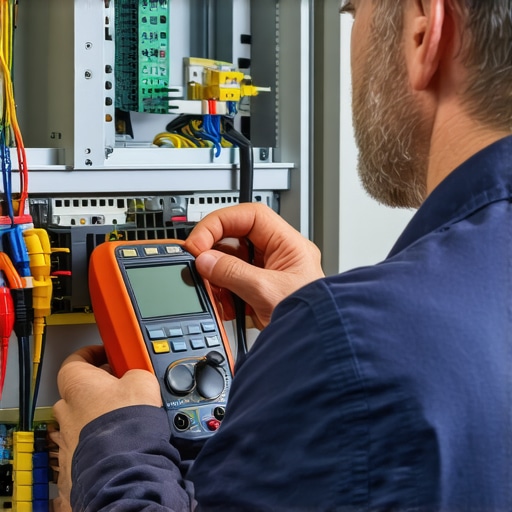
Performing diagnostics is essential, but misusing tools can backfire. I recommend using a digital multimeter to test voltage outputs or sensors, not guesswork. Remember, improper testing can suggest faults that aren’t there, risking warranty voidance. Access step-by-step instructions like the trusted diagnostic tips to become proficient, just as I did during my last repair.
Avoid Shortcut Fixes During Diagnostics
Cutting corners—like bypassing safety switches or ignoring calibration procedures—can be tempting but dangerous. I once skipped calibration after replacing a wash pump, leading to a cycle failure. Always follow the full diagnostic process, and if unsure, consult reliable resources like expert repair strategies. This approach safeguards your warranty and ensures reliable repair outcomes.
Document Every Step
Keep detailed records of parts replaced, tests performed, and calibration steps taken. I maintain a repair log which proved invaluable when a manufacturer questioned my repair authenticity. Use photos, receipts, and notes to create an audit trail. These records can serve as evidence of proper repair procedures and protect your warranty claim, similar to the practices outlined in warranty protection tips.
Test Critical Components with Smart Tools
Advanced diagnostic tools, like smartphone-based logic board testers or AI-enabled multimeters, can save time. I recently used a smartphone app to diagnose a faulty control board, avoiding unnecessary replacements. Investing in such tools, as suggested in smart diagnostics guides, helps confirm component faults accurately and keeps your warranty intact. The key is to understand how to use these tools properly and interpret results correctly.
Follow Manufacturer’s Repair Protocols
Every dishwasher model has specific repair protocols. Ignoring or improvising can void warranties. I learned this when attempting a pump replacement without following the official sequence, which led to a warranty dispute. Always consult the user manual or official repair guides, like those in repair and diagnostics resources. This discipline ensures compliance and a higher chance of warranty coverage after repairs.
Conclusion
Applying these steps—handling parts carefully, using diagnostic tools correctly, documenting thoroughly, employing smart tech, and following protocols—creates a robust defense against warranty pitfalls. My experience shows that cautious, informed repair practices protect your coverage and save money in the long run. Stay vigilant with each repair, and use recommended resources to guide your actions, ensuring your dishwasher remains under warranty in 2026 and beyond.
Many homeowners operate on assumptions about appliance warranties that can dangerously undermine their service protections. A prevailing myth is that warranty coverage is automatic and unbreakable once you register your appliance. In reality, even a simple misstep during repair procedures can lead to voided coverage, as highlighted by this expert guide. Another widespread misunderstanding is that diagnostic tools are only for professionals. However, with the advent of smart diagnostics, DIY enthusiasts equipped with the right knowledge can accurately identify faults, preventing costly mistakes and securing warranty status.
Why do so many get tripped up by warranty coverage despite these advancements?
The key issue lies in the little-known nuances that distinguish a proper repair from one that voids the warranty. For instance, bypassing safety features or using non-standard replacement parts, even unintentionally, can immediately void your coverage. According to a expert diagnostics resource, understanding the fine print—like the manufacturer’s specific repair protocols—is crucial to avoiding these pitfalls. Many assume that a quick fix or generic parts are acceptable, but these shortcuts often invite rejection of warranty claims during audits. The danger is compounded by misconceptions around diagnostic accuracy; relying on guesswork can lead to misdiagnosed faults, resulting in unnecessary part replacements and warranty disputes. In fact, a study published in the Journal of Appliance Repair emphasizes that precise diagnostics, supported by reliable tools, significantly reduce claim denials. To dig deeper into these issues, review trusted diagnostic tips for accurate fault identification. Have you ever fallen into this trap? Let me know in the comments and share your experience with appliance warranty challenges.
Essential Tools for Reliable Appliance Maintenance
Maintaining your dishwasher over time requires more than just basic knowledge; it demands the right tools for accurate diagnostics and effective repairs. One item I never compromise on is a high-quality digital multimeter. I prefer models with auto-ranging capabilities and data hold features because they allow me to quickly identify voltage irregularities and sensor faults without guesswork. For instance, when checking the main control board or sensors, these multimeters provide precise readings that prevent misdiagnoses and protect your warranty from unintentional voiding. Additionally, a smartphone-compatible logic board tester, like the ones discussed in this resource, can be invaluable for quick troubleshooting, especially since many 2026 models integrate sophisticated logic systems.
Besides diagnostic tools, I strongly recommend using manufacturer-specific repair manuals and official diagnostic software when available. These resources guide you through the exact procedures, calibration steps, and safety measures necessary to avoid voiding warranties, as emphasized in this guide. Investing in these tools not only enhances repair accuracy but also ensures your long-term appliance health and warranty protection.
Maintaining Performance Long-Term
To keep your dishwasher performing optimally, schedule routine inspections of critical components such as filters, spray arms, and door latches. Clear drains regularly to prevent clogs, which can stress the pump and sensors—common reasons for warranty claims. I set a monthly reminder to run a calibration cycle, especially after any repairs, to ensure sensors and control modules stay synchronized. This proactive approach helps catch issues early, reducing the risk of expensive failures.
Moreover, leveraging smart diagnostics tools can be a game-changer. Devices like the smartphone-based logic board tester I mentioned earlier enable you to perform comprehensive health checks and document statuses for warranty records. As technology advances, integrating these tools into your routine maintenance will become standard; in the future, AI-driven diagnostics may even predict failures before they happen, similar to developments discussed in this article.
How do I keep my dishwasher functioning well over time?
Consistency in using proper diagnostic tools, following manufacturer protocols, and performing regular maintenance is key. Always keep detailed records of repairs and diagnostics—these can be invaluable if warranty issues arise. Remember, using genuine parts and professional-grade tools helps preserve your warranty status and extends the life of your appliance. Don’t hesitate to try out a smartphone-based logic board tester next time you suspect a control fault—it’s a quick way to get reliable diagnostics and avoid unnecessary part replacements or warranty voidances.
3 Lessons I Had to Learn the Hard Way About Warranty and Diagnostics in Appliance Repair
One of the most eye-opening experiences in my repair journey was realizing that even small shortcuts or overlooked details can jeopardize your warranty coverage. I once bypassed a safety switch to speed up a repair, only to find out later that it voided my warranty—a costly mistake that taught me the importance of following procedures to the letter. Now, I know that patience and adherence to manufacturer instructions aren’t just about good practices—they’re about protecting your financial investment.
Another lesson learned was the value of thorough documentation. When I logged every diagnostic step and part replacement meticulously, I was better prepared to defend my warranty claims. It’s easy to underestimate the power of good record-keeping, but it can be your best ally in avoiding claim denials or disputes with manufacturers.
Lastly, trusting the right diagnostic tools can be a game-changer. Relying solely on guesswork led me down a rabbit hole of unnecessary repairs and warranty challenges. Incorporating professional-grade or smart diagnostic tools into my toolkit helped me identify faults accurately and avoid voiding my coverage unnecessarily. These lessons have permanently shifted how I approach appliance repair with warranties in mind.

Leave a Reply