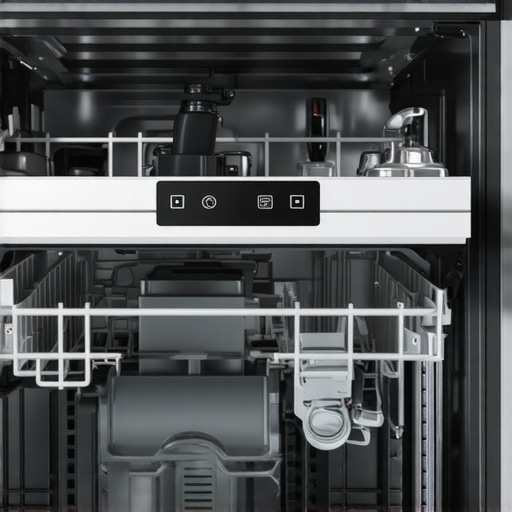
It was a Saturday morning when I first encountered the dreaded error code on my brand-new 2026 dishwasher. The cycle stalled mid-way, and instead of a clean load, I was staring at a blinking warning light, frustration bubbling up. I realized then how little I knew about these sophisticated appliances that now rely heavily on AI sensors—those tiny components that detect leaks, temperature, and cycle progress. But here’s the catch: many of us unknowingly make mistakes that can immediately void our warranty, or worse, cause permanent damage, all because of faulty sensor handling or misguided troubleshooting.
Why Your Dishwasher’s AI Sensors Are A Big Deal
Modern dishwashers are no longer just big boxes that wash dishes. They come packed with sensors that optimize performance, prevent overflows, and save water and energy. However, these sensors are incredibly sensitive, and mishandling them can set you back financially, especially if warranty voiding mistakes are made early on. According to a recent report by appliance diagnostics experts, the smallest error during DIY repairs can void your coverage entirely, even if the fault isn’t your fault at all. That’s why understanding what sensors are involved and how they can trip up your warranty is essential.
Are DIY Sensor Repairs Worth the Risk?
I’ve been down this road. Early on, I thought I could just replace a faulty pressure switch myself. Turns out, I didn’t realize how subtle sensor calibration can be. A single misstep—like disconnecting the wrong plug or using non-OEM parts—can trigger a warranty VOID warning, leaving you with expensive repairs and no coverage. My mistake? Ignoring expert advice and rushing into repairs without proper diagnostics. For those of you eager to try DIY fixes, I strongly recommend checking out our comprehensive guide on warranty-safe diagnostic tips. It could save you from costly mistakes.
Are you facing these sensor issues already? If so, you’re not alone. Let’s dive into the specific faults that quietly—but inevitably—risk invalidating your warranty and how to recognize them before it’s too late.
Start with Precise Visual Inspections
Before diving into tests, perform a thorough visual check of your dishwasher’s sensors and wiring. Look for signs of corrosion, loose connections, or damage. For example, I once noticed a frayed wire near the pressure switch that could have caused false readings. Addressing these minor issues upfront prevents unnecessary sensor replacements and keeps your warranty intact. Use a flashlight and a mirror to access hard-to-see areas and verify that connectors are securely attached.
Use the Right Diagnostic Tools
Employ a Multimeter for Accurate Resistance Checks
Testing sensor resistance levels with a multimeter is crucial. Set the device to ohms and compare readings against the manufacturer’s specifications. I once mistakenly used a cheap multimeter, which led to incorrect readings and unneeded part replacement. Investing in a quality multimeter from this list of professional tools minimizes errors and preserves your warranty.
Leverage Diagnostic Apps or Software
Some modern dishwashers support diagnostic apps that interpret sensor data. Check your model’s compatibility and run diagnostics using these tools to pinpoint faults quickly. I used a diagnostic app in my 2026 dishwasher that identified a faulty temperature sensor, saving me a costly service call. Remember, modifying software settings without following official guidelines can void your warranty, so consult the software modification rules first.
Conduct Targeted Tests on Sensors
Focus on specific components such as pressure switches, thermistors, and flow sensors. For example, to test the pressure switch:
- Disconnect the power and access the pressure switch assembly.
- Use your multimeter to check continuity. A faulty switch will show no continuity when pressed.
- If the reading differs from the expected resistance, consider replacing it with OEM parts to avoid warranty issues. I followed this step-by-step guide to successfully diagnose and replace a defective pressure switch.
Record and Track Diagnostic Data
Keep detailed logs of your tests, readings, and parts replaced. This documentation proves diligent troubleshooting if your warranty claim is challenged. I once faced a denied warranty claim due to unrecorded diagnostic steps; since then, I photograph connections and note resistance values alongside dates. Use a simple notebook or digital notes app to streamline this process.
Avoid Common Testing Pitfalls
Some mistakes can void your warranty instantly. Don’t, for instance, substitute non-OEM parts or disconnect sensors without proper procedures, as highlighted in this comprehensive warning. Always ensure the dishwasher is unplugged before testing or replacing sensors to prevent electrical hazards and inaccurate readings. Remember, rushing through diagnostics or skipping steps can turn minor issues into costly repairs, possibly voiding your warranty—so approach each step with care and patience.Many homeowners believe that simply following the troubleshooting guide provided by manufacturers guarantees warranty protection, but in reality, the nuances of appliance diagnostics can make or break your coverage. For instance, a widespread myth is that using generic spare parts won’t affect your warranty. However, expert sources highlight that non-OEM parts can sometimes cause software conflicts or sensor discrepancies, potentially voiding your warranty if not properly documented. To truly safeguard your coverage, it’s essential to understand the specific circumstances under which warranties are upheld or invalidated, including nuanced rules about software modifications and sensor calibration.
One often-overlooked factor is the importance of detailed diagnostic records. Many assume that as long as the repair seems successful, their warranty remains intact. However, insurance and warranty policies increasingly scrutinize diagnostic procedures and documentation. Skipping calibration steps or neglecting to record resistance readings and test results can be used as evidence of improper repair, risking warranty denial. It’s worth noting that appliances like the 2026 dishwasher have complex sensor systems, and a tiny oversight—such as mishandling the pressure switch or misaligning a thermistor—can trigger warranty-voiding triggers even if no damage occurs.
Let’s address the misconception about the role of software updates and modifications. Some believe that updating or hacking the appliance’s firmware is harmless and can improve diagnostics or performance. Actually, appliance manufacturers have strict policies that prohibit unauthorized software changes—these are clearly outlined in warranty terms. According to detailed analyses by appliance experts, altering software settings without official approval can silently void your warranty, even if no physical damage occurs. For a comprehensive understanding of how to navigate this complex landscape, I recommend reviewing our guide on software modification rules.
Furthermore, advanced diagnostic tools often get dismissed as unnecessary for DIY repairs when, in fact, they can save time and prevent warranty pitfalls. Using proper multimeters, diagnostic apps, or specialized testing equipment allows for precise fault detection—saving you from costly misdiagnoses. But beware—incorrect use of these tools, such as testing sensors while the appliance is live or neglecting calibration protocols, can lead to erroneous readings or sensor damage, risking warranty compliance. As a tip, investing in professional-grade diagnostic tools and proper training is a smart move.
In summary, the hidden details—like meticulous record-keeping, understanding software restrictions, using the right diagnostic tools, and respecting calibration procedures—are what separate a simple repair from a warranty-voiding mistake. Many overlook these nuances, risking not only their warranty but also their appliance’s longevity. Do you think you’re aware enough of these nuanced rules? Drop a comment and share your experiences. Let’s ensure we’re all diagnosing smartly and protecting our investments.
Prioritize Precision with Diagnostic Equipment
When it comes to maintaining your dishwasher over time, investing in high-quality diagnostic tools is crucial. I personally rely on a professional-grade multimeter because it provides consistent, accurate resistance and voltage readings essential for pinpointing sensor issues without risking warranty voidance. Unlike cheap alternatives, a well-calibrated multimeter lets me verify temperature sensors (thermistors), pressure switches, and flow sensors precisely, ensuring only necessary parts are replaced. This approach not only saves money but also maintains compliance with warranty stipulations, as documented in appliance repair protocols.
Embrace Diagnostic Software for Quick Results
Modern dishwashers like the 2026 series often support diagnostic applications that streamline troubleshooting. I recommend using OEM-approved diagnostic software compatible with your model, which can interpret sensor data in real-time. Running these diagnostics has helped me uncover subtle faults—like a partially failing thermistor—that would be easy to overlook with manual checks. For example, appropriate software usage can prevent accidental software modifications that might violate warranty, a concern highlighted in this guide on firmware safety. Always follow manufacturer instructions when employing such tools.
Adopt Precise Testing Strategies
Don’t underestimate targeted sensor tests. I recommend disconnecting power and then using your multimeter to check each sensor’s resistance against manufacturer specifications—typically found in technical manuals. For instance, when testing the pressure switch, ensure continuity checks align with the protocol detailed in this step-by-step guide. Proper testing prevents unnecessary replacements, preserves warranty status, and confirms the problem’s root cause—saving you time and expense.
How do I Maintain My Dishwasher’s Sensors Over Time?
Regular inspection is vital. I suggest inspecting sensor wiring for corrosion or loose connections every 6-12 months and cleaning thermistors with a soft cloth. Keeping sensors free of debris reduces false readings that could cause cycle failures. Incorporate these routine checks into your maintenance schedule to keep sensors accurate and the appliance functioning reliably. As advances in sensor technology emerge, expect future models to incorporate self-diagnostic features that alert owners to issues before they become costly. Staying updated on these innovations can help you adapt your maintenance practices accordingly.
Keep Detailed Records for Warranty Confidence
Always document your diagnostic results and maintenance activities. Photographs, resistance readings, and notes about parts replaced help prove diligent upkeep if your warranty is challenged. I’ve found that maintaining a digital log significantly simplifies this process. For advanced technicians and DIY enthusiasts alike, this record-keeping acts as a buffer against warranty disputes, ensuring your appliance remains protected during its lifespan.
Finally, I urge you to try implementing comprehensive diagnostic routines using at least a high-quality multimeter and approved software. These tools are your best allies in ensuring long-term appliance health and warranty compliance. Remember, consistent maintenance and proper troubleshooting are key to extending your dishwasher’s life—so start today by assessing your current diagnostic setup!
,
The Hidden Pitfalls That Cost Me My Warranty—And How You Can Avoid Them
One of the toughest lessons I learned was that even small mistakes during diagnostics, like disconnecting sensors improperly or using the wrong parts, could silently void my dishwasher’s warranty. Monitoring my own experience revealed how crucial attention to detail is, especially when handling sensitive sensors. Recognizing this early saved me from costly repairs and stressful disputes, emphasizing that knowledge and careful practices are your best defense against warranty pitfalls.
Tools and Resources That Transformed My Approach
Over time, I discovered that investing in trusted diagnostic tools makes a huge difference. A high-quality multimeter from this list of professional-grade tools provided me with accurate resistance readings, reducing guesswork. Additionally, leveraging OEM-approved diagnostic apps saved me hours of troubleshooting and prevented accidental software modifications that could jeopardize my warranty. These resources helped me troubleshoot more efficiently and confidently, reinforcing how proper equipment elevates your repair game.
Don’t Wait for a Crisis—Stay Ahead with Smart Maintenance
My biggest regret was neglecting routine sensor inspections, which led to unexpected breakdowns. Regularly checking wiring connections, cleaning thermistors, and documenting readings can catch issues early. Keeping detailed records, including photos and resistance logs, proved invaluable when dealing with warranty claims. Proactively maintaining your dishwasher’s sensors and staying informed about manufacturer guidelines keeps your appliance running smoothly and your warranty safe from silent violations.
In your appliance repair journey, recognizing that even minor oversights can have major repercussions is vital. The key is to combine the right tools, meticulous records, and respectful handling of sensors and software. Remember, mastery comes from experience and preparation—so equip yourself wisely and stay vigilant. Have you ever faced a situation where a small mistake cost you your warranty? Share your story below, and let’s learn from each other’s experiences.


Leave a Reply